
The Christmas season is full of joy – but let’s be honest, it’s also full of rich food, alcohol, late nights, stress, and endless social events. And for many people, this adds up to one unwelcome visitor: the Christmas bloat.
That heavy, swollen, uncomfortable feeling around your middle isn’t just “too much food.” It’s often a combination of the types of foods we eat, how we eat them, hormonal stress responses, and what alcohol does to the gut.
The good news? Christmas bloat isn’t inevitable. When you understand what triggers it, you can navigate the festive season feeling lighter, more comfortable, and more energised.
Let’s break it down.
Festive foods that fuel bloating
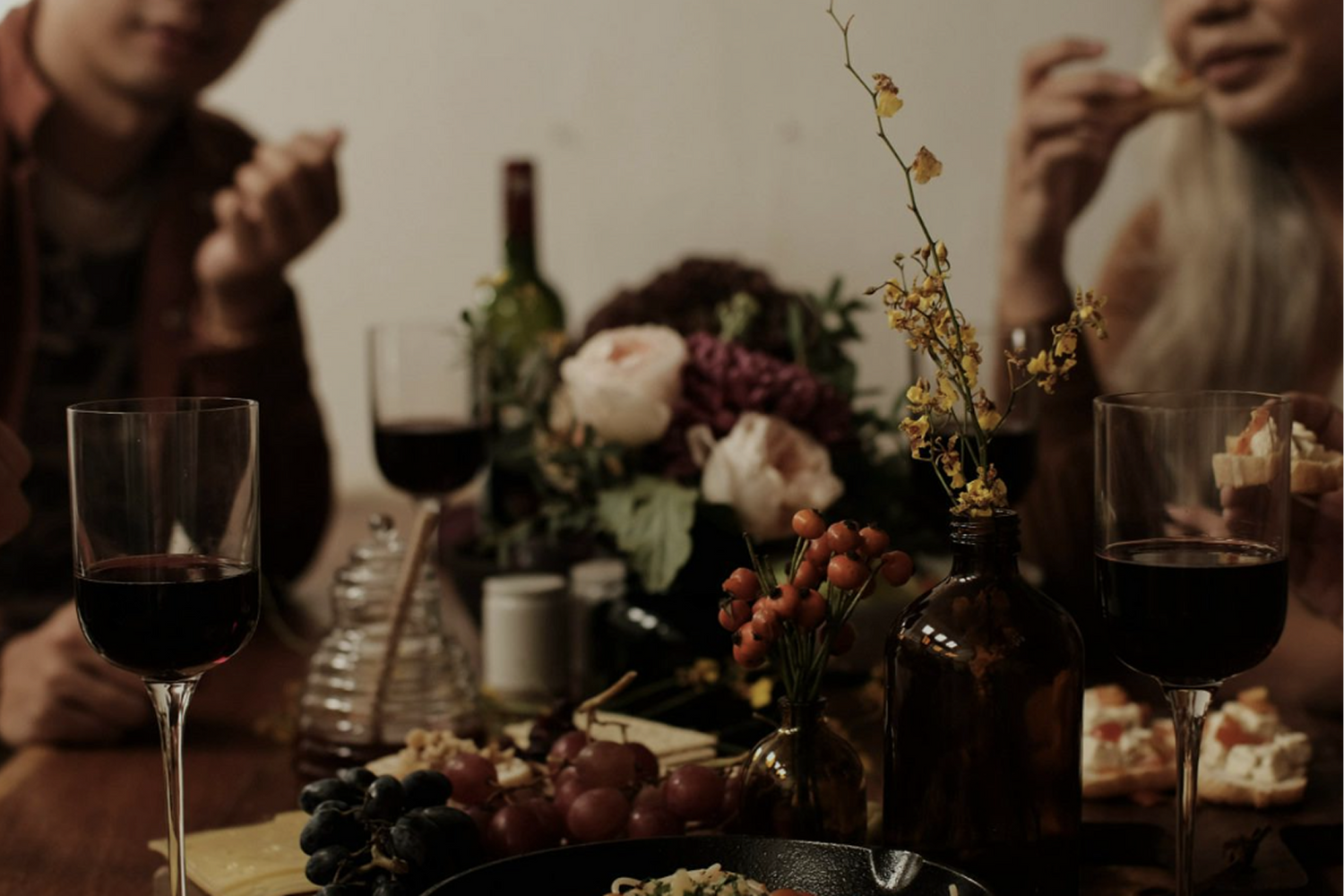
Christmas meals tend to be rich, indulgent, and a little heavier than our everyday diet. Not a problem in itself – joy matters. But certain foods are more likely to cause bloating, especially when eaten in larger quantities or combined in one sitting.
Carbohydrate-heavy dishes
Stuffing, roast potatoes, Yorkshire puddings, bread, mince pies… we tend to eat more carbohydrates over Christmas than at any other time of year. Paired with excess sugar and reduced fibre, this can spike blood sugar and slow digestion, leaving you feeling puffy and sluggish.
Rich, fatty foods
Creamy sauces, gravies, pâtés, cheeses, and charcuterie boards – all delicious, but high-fat meals take longer to digest. When your stomach empties more slowly, bloating and fullness last longer, too.
More sugar and ultra-processed foods
Sweets, chocolates, pastries and festive desserts ferment quickly in the gut, which can increase gas production and digestive discomfort.
Bloating foods (especially if you’re already gut-sensitive)
- Onions and shallots
- Brussels sprouts
- Garlic
- Beans and pulses
- Cauliflower
These are nutrient-dense, but they’re also high-FODMAP foods, meaning they ferment more rapidly in the gut. If your digestion is already compromised, you’re more likely to feel the effects.
This doesn’t mean you need to avoid them, but awareness helps you plan your plate more intentionally.
Fast eating and reduced chewing
This is one of the biggest causes of bloating year-round – and the most overlooked!
When you’re eating while socialising, rushing between events, or grazing absent-mindedly, chewing naturally decreases. Chewing is your first stage of digestion; it mechanically breaks down food and mixes it with saliva, preparing it for enzyme digestion further down the gut.
When chewing is rushed:
- Larger food particles reach the stomach
- The stomach has to work harder
- Digestion slows
- Gas increases
- Bloating becomes more likely
Additionally, swallowing more air (common with fast eating, drinking while talking, and eating on the move) also increases abdominal distension.
Try this: Put your fork down between bites. Sit to eat rather than grazing while standing. Take a breath before your meal. These tiny tweaks make a big difference.
Constant snacking (your gut never gets a break)
Christmas grazing culture – the buffet table at work, the bowl of chocolates at home, the nibbles before dinner – means many people are eating every hour or two throughout December.
Your gut likes having (and actually needs) space between meals. Periods of not eating allow the migrating motor complex (MMC) to sweep the digestive tract, moving everything in the right direction and reducing fermentation.
When you snack constantly, the MMC never activates, food lingers for longer, fermentation increases, and bloating becomes pretty predictable.
Saying “no” occasionally isn’t about restriction, it’s about digestive comfort. Try to stick to three meals a day if your gut is feeling the pressure.
Stress at Christmas – yes, it’s a real thing
We tend to imagine (or simply live in hope) that Christmas is a relaxing, cosy time… yet many people experience higher stress in December than any other month.
Why is stress so common at Christmas?
For many people, it’s a perfect storm: gift shopping and financial pressure, end-of-year work deadlines, family dynamics, busy social calendars, reduced sleep, travel, and the general overwhelm that comes with trying to fit too much into too little time. It’s no wonder the nervous system feels stretched.
When stress rises, the body shifts into fight-or-flight mode. And here’s the important bit - the digestive system slows down because stress signals tell your body you’re not in a safe moment for rest and digestion.
This means:
- Reduced stomach acid
- Reduced digestive enzyme output
- Slower motility
- More bloating
- More reflux
- More gas
- More sensitivity to foods you usually tolerate
Supporting your nervous system is key to preventing Christmas bloat, often even more than changing what you eat.
More alcohol = more gut inflammation
Alcohol is an irritant to the gut lining. Even modest increases over the festive period can trigger gut symptoms.
Alcohol can:
- Increase intestinal permeability (“leaky gut”)
- Reduce digestive enzyme production
- Worse acid reflux
- Drive inflammation
- Disrupt the gut microbiome
- Increase gas and bloating
- Slow gastric emptying
When alcohol is combined with sugar (such as mulled wine, cocktails, or liqueurs), the effects are amplified. Plus, alcohol disrupts sleep, which affects digestive regulation the following day.
This doesn’t mean avoiding alcohol entirely, but being strategic helps enormously.
How to beat the bloat this Christmas
You don’t need to eat “perfectly” or avoid the foods you enjoy. Instead, focus on balance and digestion-supportive habits.
- Slow your eating - Chew more, talk less while eating, and enjoy your meal mindfully.
- Prioritise protein and plants - Fill at least half your plate with vegetables and aim for a good protein source. This stabilises blood sugar and reduces overeating.
- Build in digestive breaks - Try not to graze all day. Leave 3–4 hours between meals when possible.
- Sip smarter - Alternate alcoholic drinks with water or herbal teas. Ginger, chamomile, and fennel teas support digestion naturally. Peppermint can work for some but trigger reflux in others.
- Support your nervous system - Deep breaths before meals. Walks after big dinners. Say “no” when your calendar is full.
- Keep your gut moving - A 10-minute walk after meals can dramatically improve digestion and reduce bloating.
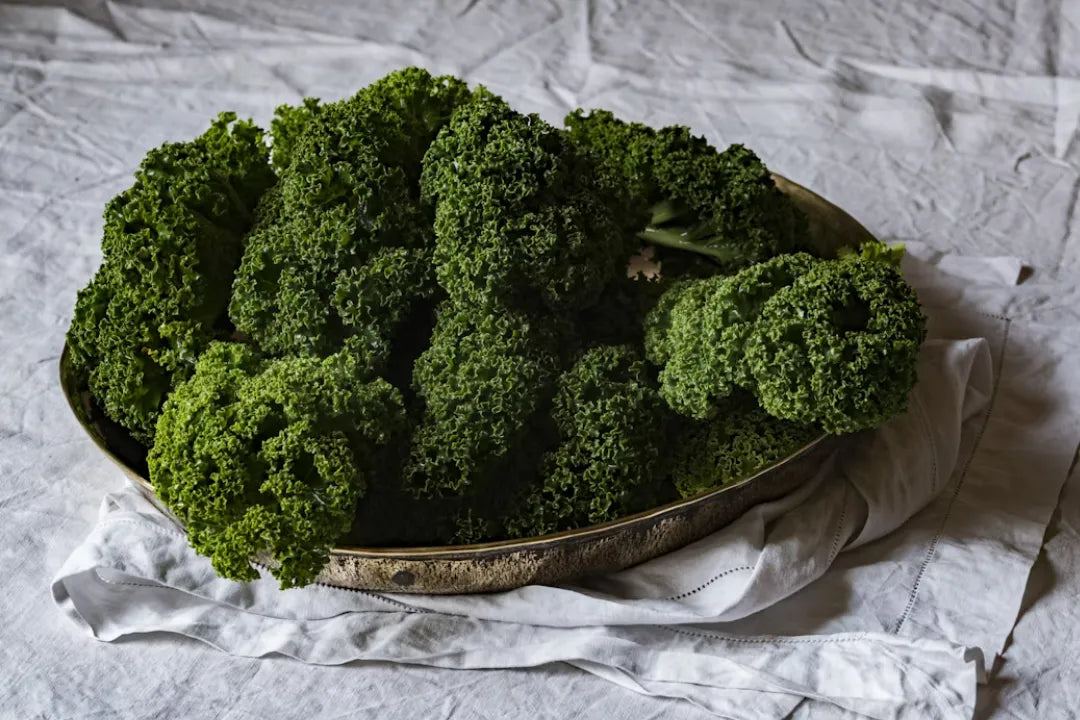
- Eat your vegetables (yes, even in December!) - Your gut thrives on fibre, colour and diversity – not just beige party food.
Christmas bloat doesn’t have to be part of your December. With small tweaks to how you eat, drink and support your body, you can enjoy the celebrations feeling calm, comfortable and energised – not swollen and sluggish.
Joyful eating and a happy gut can absolutely coexist.


Leave a comment
All comments are moderated before being published.
This site is protected by hCaptcha and the hCaptcha Privacy Policy and Terms of Service apply.