


For many people, hayfever is something to “get through” each year – a familiar cycle of sneezing, itchy eyes and congestion as pollen levels rise.
But beneath the surface, hayfever is not just about irritation. It is an immune system response.
Understanding how the immune system behaves during allergy season, and how nutrition and lifestyle may support balance, offers a more grounded way to approach this time of year.
Rather than focusing purely on symptom management, the conversation can shift towards supporting the body’s response to environmental triggers.

How the immune system drives hayfever symptoms
Hayfever, or allergic rhinitis, occurs when the immune system reacts to substances such as pollen that are otherwise harmless.
Instead of recognising pollen as neutral, the immune system identifies it as a threat. This triggers the release of histamine and other inflammatory compounds, leading to symptoms such as sneezing, nasal congestion and itchy eyes.
This response is not a sign that the immune system is weak, but rather that it is over-responsive or dysregulated in that context.
The goal, therefore, is not to “boost” the immune system in a general sense, but to support appropriate immune balance. This is where nutrition, lifestyle and – where appropriate – supplements may play a supportive role.
Nutrients that may support immune balance
The immune system relies on a wide range of nutrients to function effectively. During hayfever season, supporting overall nutrient status may help the body maintain a more balanced response to environmental triggers.
Rather than focusing on single nutrients in isolation, it is helpful to think in terms of overall dietary patterns – and a varied diet that includes:
- colourful fruits and vegetables
- adequate protein
- healthy fats, especially omega-3s
- whole grains and fibre
This variety helps provide the building blocks required for immune function, gut health and inflammatory regulation.
This is particularly relevant given the growing understanding of the gut-immune connection, where gut microbiome diversity plays a role in immune signalling and tolerance.
Vitamins & minerals commonly considered for allergy seasons
While food remains foundational, certain nutrients are commonly explored for immune support during hayfever season.
Vitamin C – immune function & antioxidant support
Vitamin C is well known for its role in immune function. It acts as an antioxidant, helping to protect cells from oxidative stress, and contributes to normal immune system activity.
Some research has explored vitamin C in the context of histamine metabolism, although its effects may vary between individuals.
Foods rich in vitamin C include kiwis, citrus fruits, berries, peppers and leafy greens.

Vitamin D – seasonal immune balance
Vitamin D plays a regulatory role in the immune system, influencing how immune cells respond to environmental stimuli. Lower vitamin D status has been associated with increased susceptibility to immune dysregulation, particularly in regions with limited sunlight exposure.
This makes vitamin D particularly relevant in the UK, where levels can fluctuate throughout the year. Consider testing your levels, with at least a two-week break from supplements, so you can see what support you actually need.
Zinc – immune cell support
Zinc is involved in the development and function of immune cells, as well as maintaining the integrity of the skin and mucosal barriers – the body’s first line of defence.
Adequate zinc intake supports normal immune responses, particularly during periods of increased environmental exposure.
Sources include meat, shellfish, especially oysters, seeds such as pumpkin seeds, and legumes.
Magnesium – nervous system & stress support
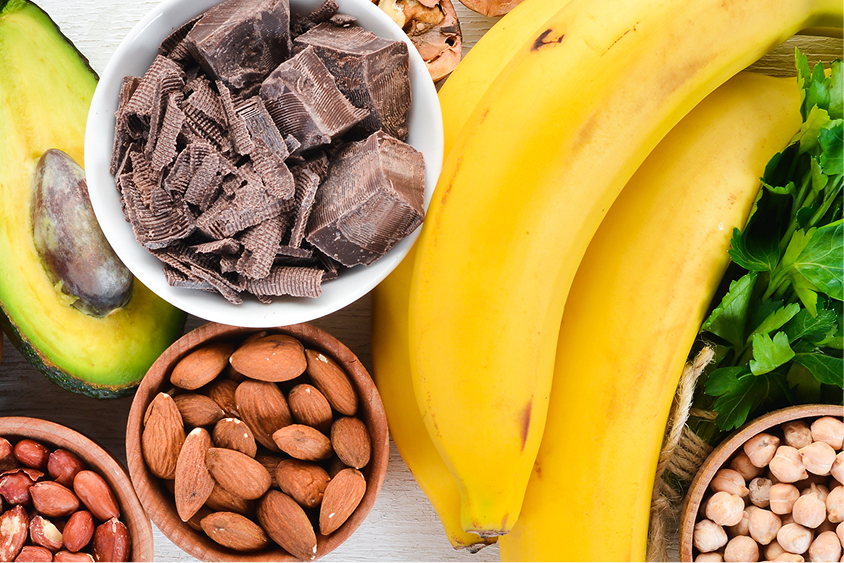
Magnesium plays a supporting role in both the nervous system and immune regulation, and the body requires it for over 300 enzymatic functions.
Periods of stress can influence immune responses, and magnesium contributes to pathways involved in relaxation and stress resilience.
While not directly linked to hayfever symptoms, supporting the nervous system and broader biochemical processes may help reduce the overall load on the body during allergy season.

Functional botanicals & adaptogens for seasonal resilience
Alongside vitamins and minerals, certain plant compounds are often explored for their potential to support immune balance.
These include:
- quercetin, a plant flavonoid found in apples, onions and berries
- stinging nettle, often used as a herbal tea
- turmeric, via curcumin
- adaptogenic herbs such as ashwagandha or reishi
Some of these compounds have been studied for their role in supporting inflammatory pathways and immune signalling, although research is still developing and effects may vary between individuals.
As with all supplements, quality, dosage and individual response matter. Make sure you are clear on why you are taking something, the effective dose, and whether it interacts with any medications or health conditions.

Safe supplementing for kids & adults
When considering hayfever supplements or natural hayfever relief supplements, safety and suitability are key.
For adults, supplementation may be considered where dietary intake is insufficient or where additional support is desired.
For children, a more cautious approach is recommended.
Age-appropriate considerations
- focus on food-first approaches wherever possible
- use child-specific formulations if supplementing
- avoid adult dosing for children
- consider simple options such as vitamin D in line with UK guidance
General safety reminders
- supplements should not replace a balanced diet
- more is not always better – stick to recommended doses unless you are working with a qualified practitioner
- check for interactions with medications
- seek professional guidance where needed
This is particularly important when considering supplements for younger children or individuals with underlying health conditions.
How to build a daily hayfever wellness routine
Supporting the immune system during hayfever season is less about individual interventions and more about consistent daily habits.
A simple routine might include:
- a balanced, nutrient-rich diet
- regular hydration
- time outdoors, while being mindful of peak pollen times
- adequate sleep
- stress management
Small habits, repeated consistently, often have a greater impact than short-term fixes.
For those exploring vitamins for hayfever or supplements, these are best seen as additions to – not replacements for – these foundations.
You can also check out How to Tackle Hay Fever and How to Get Over Hay Fever.
When to seek medical advice
While nutrition and lifestyle can support general wellbeing, hayfever symptoms can vary in severity. If symptoms are persistent, worsening, or significantly impacting daily life, it is important to seek advice from a healthcare professional.
This is particularly relevant for:
- children with ongoing symptoms
- individuals with asthma
- cases where over-the-counter options are not providing relief
Medical guidance helps ensure appropriate support and rule out other conditions. If in doubt, speak to a healthcare practitioner.
A more balanced approach to hayfever
Hayfever may be seasonal, but the systems that influence how we experience it operate year-round.
Supporting immune balance, maintaining nutrient intake and managing overall stress load can help create a more resilient baseline.
This does not mean eliminating symptoms entirely, but it may help the body respond in a more measured way.
Because sometimes the most effective approach is not about reacting to the season. It is about supporting the system behind it.
About the Author
Natalie Louise Burrows is a registered nutritionist and Clinic Director at Integral Wellness, with a special interest in evidence-based nutrition, women’s health, digestive health, and sustainable wellbeing. She is passionate about making nutrition practical, realistic, and supportive, helping people build better health through everyday habits rather than extremes.


1 comment
Emily
This article is fantastic!! Thank you
Leave a comment
All comments are moderated before being published.
This site is protected by hCaptcha and the hCaptcha Privacy Policy and Terms of Service apply.