

I think we can all appreciate that six weeks is a long time to keep children fed, happy and functioning. When the school routine disappears, so does the structure that normally keeps eating patterns roughly on track. Snacking becomes more frequent, more random, and often more sugary – and parents are left juggling the competing demands of nutrition, convenience, and not wanting every day to turn into a battle over food.
The good news is that healthy snacking doesn't have to mean complicated or joyless. A few simple swaps and a bit of prep can make a meaningful difference in how your children feel throughout the holidays, without taking away the fun.
Why Summer Holidays Can Disrupt Kids' Eating Habits
At school, children eat at set times, in structured environments, with limited access to the snack cupboard. At home, all of that disappears. Boredom, excitement, and the general chaos of summer days (while parents desperately juggle the realities of work and life) can all drive more frequent snacking, often toward whatever is quickest and most appealing.
Add hot weather into the mix, and you have another layer of challenge: children are more vulnerable to dehydration than adults because their bodies lose fluid more quickly relative to their size, and they're less reliable at recognising thirst. Mild dehydration can show up as irritability, fatigue and poor concentration – symptoms that are easily mistaken for general school holiday grumpiness.
What Makes a Good Kids' Snack?
A snack that actually supports a child's energy and mood is one that combines protein, fibre, and some healthy fat, rather than relying on refined sugar alone. Protein slows digestion and helps keep blood sugar steady; fibre does the same while also supporting gut health; and healthy fats provide sustained energy and support brain development. When blood sugar is stable, children tend to be calmer, more focused, and less likely to crash into a meltdown at 4pm.

Healthy Snack Swaps That Still Feel Like Treats
Swap Sugary Ice Lollies for Fruit and Yoghurt Lollies
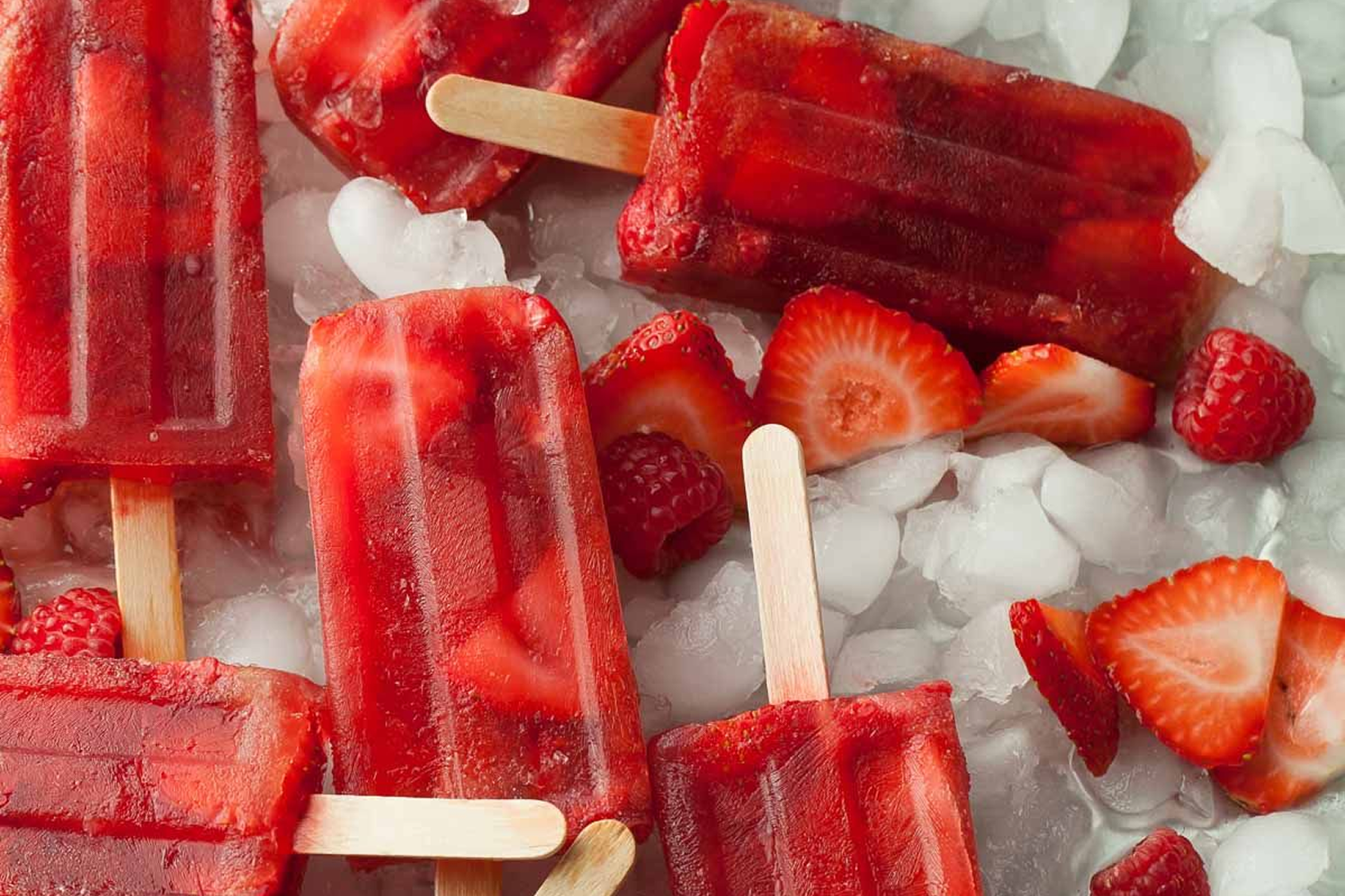
Blend Greek yoghurt with berries or mango, pour into lolly moulds and freeze. You get calcium, protein and natural sweetness without the artificial colours and added sugars found in most commercial lollies. They are fun to make with the kids, too.
Swap Crisps for Crunchy Veg, Hummus or Popcorn
Carrot sticks, cucumber, sugar snap peas and pepper strips with hummus provide fibre, vitamins and something satisfying to crunch on. Plain or lightly salted popcorn is also a far better option than daily crisps, with more fibre and far less saturated fat.
Swap Chocolate Bars for Fruit, Nut Butter or Yoghurt Bowls
Sliced apple or banana with nut butter hits the same sweet-and-satisfying note as a chocolate bar, with the added benefit of protein and healthy fats to keep energy levels steady. A small bowl of Greek yoghurt with a drizzle of honey is another simple win.
Or, why not make frozen fruit and yoghurt bites? Here's a recipe.
Swap Fizzy Drinks for Fruit-Infused Water
Add sliced strawberries, cucumber, mint or citrus to a jug of water and keep it in the fridge. Children are far more likely to drink water when it looks appealing and is already prepared. Avoid fruit juice and squash as a default; the sugar content can be higher than most parents realise.
Swap Biscuits for Oat-Based Energy Bites
Rolled oats, nut butter, a little honey and some dark chocolate chips, rolled into balls and chilled, are easy to make in batches and genuinely satisfying. They provide slow-release carbohydrates and protein rather than the quick spike-and-crash of a standard biscuit.

Hydrating Foods for Hot Days
On warm days, food can do a lot of the hydration work alongside fluids. Some of the most hydrating options to keep stocked include:
- Watermelon – around 92% water, plus potassium and magnesium.
- Cucumber – over 95% water and easy to prep in sticks.
- Strawberries – high water content plus vitamin C.
- Oranges – hydrating and a good source of potassium.
- Yoghurt – contributes fluid as well as calcium and protein.
- Smoothies – a practical way to combine fruit, yoghurt and milk for fluid and nutrients in one go.

Snacks for Different Summer Moments
Beach Day Snacks
Portable, non-perishable and easy to eat with sandy hands. Think oatcakes with nut butter, whole fruit, trail mix with nuts and dried fruit, veg sticks with a pot of hummus, popcorn, and a well-stocked water bottle. Avoid anything that melts, spoils quickly or requires refrigeration longer than your coolpack will manage.
Long Car Journey Snacks
Prep individual portions in advance to avoid the motorway service station. Sliced veg and hummus pots, cheese and oatcakes, and fruit are all solid options. Keep drinks accessible so children hydrate regularly rather than arriving dehydrated and irritable.
Picnic Snacks
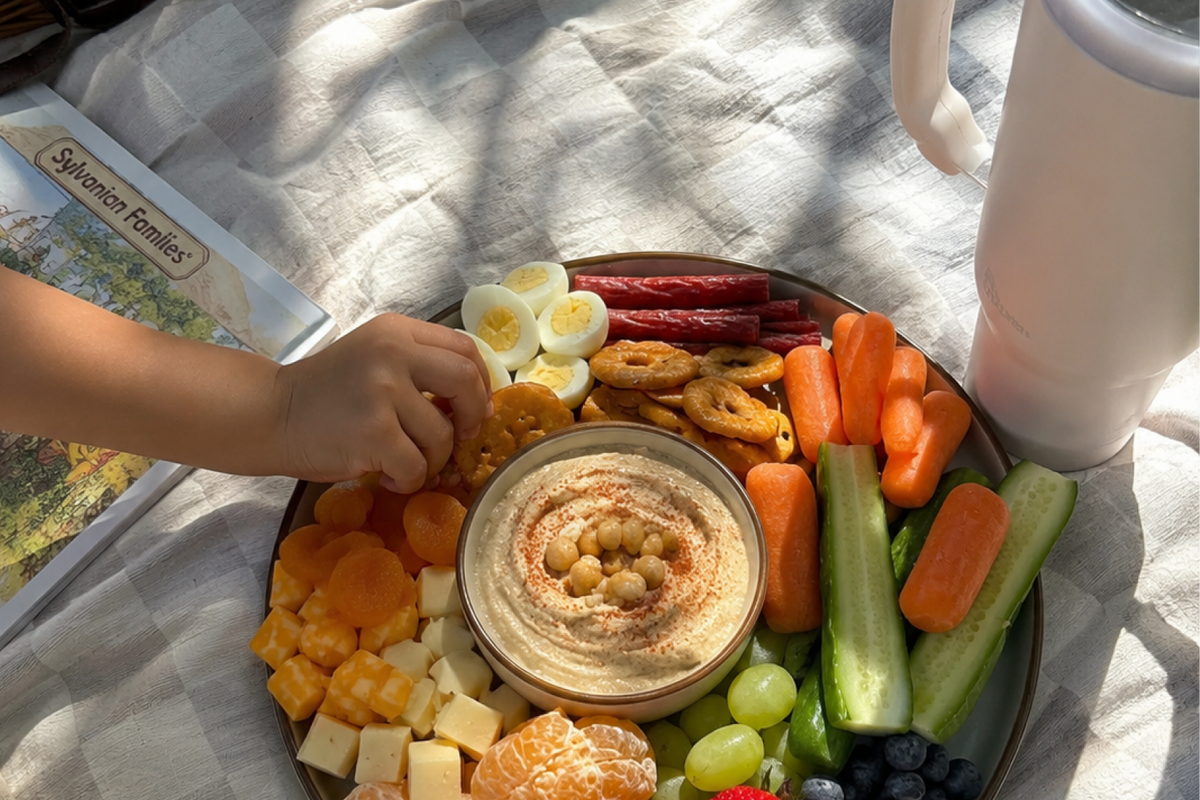
Picnics are a great opportunity for balanced snacking. Hard-boiled eggs, wholegrain wraps, cherry tomatoes, cheese, grapes and yoghurt pouches all travel well and provide key nutrients without much effort.
Sports Club Snacks
For children doing active sessions, a snack with carbohydrates and a little protein beforehand supports energy; something similar afterwards supports recovery. A banana with nut butter or oatcakes with cheese work well for both.
Rainy Day Movie Snacks
This is where having a snack drawer already stocked pays off. Plain popcorn, fruit, yoghurt and a homemade energy bite are all genuinely enjoyable without the sugar overload of a full cinema haul.

Snacks for Picky Eaters
Picky eating is common and rarely a sign that something is wrong. The key is to keep offering variety without pressure, and to involve children in choosing and preparing where possible. Repeated, low-pressure exposure to new foods is the most effective way to broaden acceptance over time. Letting a child dip, build or assemble their own snack plate gives them a sense of control and often increases willingness to try. And as parents, lead by example; try new things, look at food, taste it, consider the flavour, try it again. Demonstrate that the food is safe and curiosity is met without much fuss. Lots of children like to try new things without parents watching over them. Be more nonchalant.
How to Build a Balanced Snack Plate
A useful framework for any snack, at any age, is to aim for a combination of the following:
Fibre
Fruit, vegetables, oatcakes, wholegrain crackers or popcorn. Slows digestion and supports gut health.
Protein
Eggs, cheese, yoghurt, hummus, nut butter or meat. Keeps blood sugar steady and energy sustained.
Healthy Fats
Nut butter, avocado, cheese or a small handful of nuts (where age-appropriate). Supports brain function and satiety.
Hydration
Water as the default, with hydrating foods alongside. Children rarely drink enough without prompting – offer fluids regularly, don't wait for them to ask. And then take a sip yourself too!

Kids' Energy, Mood and Focus During the Holidays
What children eat has a direct impact on how they feel and behave. Unstable blood sugar, driven by high-sugar snacks eaten without protein or fibre alongside, is one of the most common drivers of afternoon energy crashes, irritability and poor concentration during the holidays. Add a tough night's sleep because it's hot and light until late, and it can make school holidays a challenge.
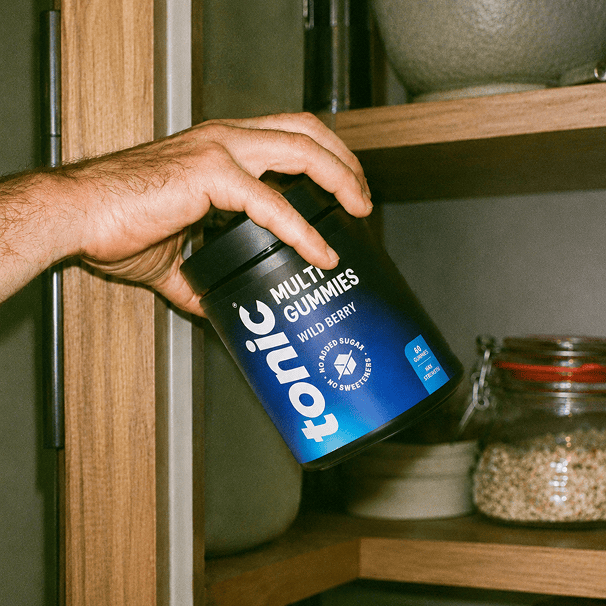
For broader daily support, Tonic's Kids range is designed with children's nutritional needs in mind. Kids Calm supports the nervous system with magnesium, which contributes to normal nervous system function, alongside chamomile and lemon balm; it's particularly useful on overstimulating days or when sleep has been disrupted. For teenagers who need support with focus and sustained energy, Tonic's Energy + Hydration and Focus + Mind can complement a balanced diet during busier periods.
How to Make Healthy Snacking Easier for Parents
Create a Snack Drawer or Fridge Station
Dedicate a shelf in the fridge and a drawer in the cupboard to pre-approved snacks. When children can easily see and access good options, they're more likely to reach for them.
Prep Fruit and Veg in Advance
Washed, chopped and stored in clear containers, fruit and veg disappear far faster than when they require preparation. Five minutes of prep at the start of each day makes a noticeable difference.
Keep Portable Options Ready
Oatcakes, nut butter sachets, popcorn, individually wrapped cheese, and small packs of nuts or seeds are easy to grab for days out. Having a stocked bag means less reliance on whatever is available when hunger strikes.
Let Kids Help Choose and Build Snacks
Children who help choose or assemble their food are more engaged with eating it. A simple build-your-own snack plate, where they pick from a few pre-set options, gives agency without open-ended chaos.
Supplements, Snacks and Summer Routines
Summer doesn't have to mean six weeks of nutritional chaos. A few good habits, a stocked fridge and a realistic approach to treats are enough to keep the whole family feeling well, without making food the battleground.
Food comes first, always. But during the holidays, when routines are disrupted and diet quality can dip, a reliable daily supplement can help fill the gaps. Tonic's Kids range provides age-appropriate support across immunity, nervous system, and overall health and development. For the youngest family members, Tonic's Baby range covers the key nutritional foundations at the earliest stages.
For the whole family on busy, hot, or active summer days, Tonic's Energy + Hydration supports electrolyte balance and energy metabolism, and is a practical addition to morning routines or days with higher physical demands.
About the Author
Natalie Louise Burrows is a registered nutritional therapist (BANT, CNHC) and clinic director at Integral Wellness – a nutrition and health clinic specialising in cardio-metabolic health. Along with her clinic team of nutritionists, they help men and women regain their energy, control their cravings and avoid and reverse type 2 diabetes. They also address health conditions such as high blood pressure, high cholesterol, insulin resistance, fatty liver and heart disease, and weight challenges.
This article is for informational purposes only and does not constitute medical advice. If you have concerns about your child's nutrition or health, please consult a qualified healthcare professional.


Leave a comment
All comments are moderated before being published.
This site is protected by hCaptcha and the hCaptcha Privacy Policy and Terms of Service apply.