

Running a marathon places extraordinary demands on the body. While training plans focus heavily on mileage and pace, marathon nutrition is often the factor that determines whether a runner finishes strong or struggles through the final miles.
Hydration, electrolytes, and fuelling strategy influence endurance performance, muscle function, and recovery in ways many runners underestimate. When these elements are dialled in, energy levels remain steadier, and the likelihood of hitting the wall decreases dramatically.
Understanding how to fuel the body properly before, during and after a race can make the difference between simply finishing and performing at your best.
When training is done and race day arrives, the right nutrition plan can make the difference between fading late and finishing strong.

Why marathon nutrition matters
A marathon challenges almost every system in the body – cardiovascular, musculoskeletal, immune, metabolic, digestive and nervous. Nutrition plays a central role in supporting these systems every single day, especially under the prolonged stress that endurance running entails.
Dehydration
One of the most immediate performance threats is dehydration. Research shows that losing just 2% or more of body weight through fluid loss can significantly reduce endurance performance. Even mild dehydration can lead to reduced pace, increased perceived effort and impaired thermoregulation.
Electrolytes
Electrolyte balance is another critical factor. Sweat does not only contain water, it also carries important minerals, particularly sodium. Individual sweat rates vary widely, but runners may lose anywhere between 200mg and 2300mg of sodium per litre of sweat. When these losses are not replaced, symptoms such as fatigue, muscle cramps and headaches can develop.
If you want to understand this in more detail, read Why Hydration Is About More Than Just Water.
Glycogen
The third key piece of the marathon nutrition puzzle is glycogen, the body’s stored form of carbohydrate. Glycogen fuels high-intensity exercise, but stores are limited. As they become depleted during long endurance events, runners can experience a sudden drop in energy and coordination – the moment often described as “hitting the wall”.
A well-structured hydration strategy for marathon performance, combined with appropriate carbohydrate intake, helps prevent these issues and allows runners to sustain pace across the full 26.2 miles.
Electrolytes explained for runners
Electrolytes are minerals that carry an electrical charge when dissolved in fluid. They play vital roles in muscle contraction, nerve signalling and fluid balance – all essential for intense exercise and endurance athletes.
While several electrolyte minerals are involved, three are particularly relevant for runners.
Sodium
Sodium is the primary electrolyte lost in sweat and the most important one to replace during endurance exercise. It helps maintain fluid balance, supports nerve signalling and prevents excessive drops in blood sodium levels.
During long runs or races, replacing sodium alongside fluids helps maintain hydration and supports sustained performance. For runners who sweat heavily or train in warm conditions, sodium intake becomes even more important.
Potassium
Potassium works closely with sodium to regulate muscle contractions and maintain normal heart rhythm and kidney function. While sodium losses dominate in sweat, potassium still contributes to overall electrolyte balance and muscle function during prolonged exercise.
Foods such as bananas, potatoes, avocados and dairy products naturally provide potassium, while sports hydration products often include smaller amounts to support electrolyte balance.
Magnesium
Magnesium plays a slightly different role. Rather than driving muscle contraction, it helps muscles relax after contraction. This makes it particularly relevant for reducing the risk of cramping and supporting post-exercise muscle recovery.
Magnesium also participates in hundreds of enzymatic reactions involved in energy production and biochemical pathways – an important consideration every single day, but especially during long-distance endurance events. Together, these electrolytes help maintain neuromuscular function and fluid balance throughout the race.
For more on magnesium’s wider role in recovery and wellbeing, you can read Magnesium: The Vital Mineral, or explore Rest + Recover.

What to eat before & during a marathon
Race-day nutrition begins well before the starting line.
The days leading up to the marathon are when runners focus on carbohydrate loading, a strategy designed to maximise glycogen stores in muscles and the liver. Carbohydrates are the body’s most efficient fuel source during endurance exercise. Increasing carbohydrate intake in the final 24–48 hours before a race allows the body to store additional glycogen, delaying fatigue later in the run.
Classic carbohydrate-rich foods such as rice, potatoes, oats, pasta and bread often form the foundation of these meals. However, the goal is not simply to eat large quantities of food; it is to increase carbohydrate intake while keeping meals familiar and easy to digest.
When considering what to eat before a marathon, most runners benefit from a light, carbohydrate-focused breakfast around two to three hours before the race. This might include toast with honey, porridge oats with fruit, or a banana with yoghurt.
During the race itself, maintaining carbohydrate intake becomes essential. Sports gels, energy chews or carbohydrate drinks are commonly used to supply quick fuel while running.
One key rule is: never try something new on race day. Gastrointestinal distress is one of the most common issues runners encounter, often caused by unfamiliar foods, overly concentrated drinks or excessive fibre before the race.
Practising race-day nutrition during long training runs allows runners to refine what works best for their individual digestive systems and performance. For most runners, race week is not the time to introduce major dietary changes, so sticking with a well-practised fuelling strategy is usually the safest approach.
The best race-day strategy is usually the one you have already practised.
Post-race recovery essentials
Once the finish line is crossed, the body immediately begins repairing muscle tissue, replenishing glycogen stores and restoring electrolyte balance. Post-race nutrition plays a crucial role in accelerating recovery and reducing lingering fatigue.
Magnesium for muscle recovery
Magnesium supports muscle relaxation and may help reduce cramping or muscle tightness after prolonged exertion. Ensuring adequate intake through foods or supplementation can assist the recovery process.
B vitamins for energy metabolism
B vitamins, particularly B6, B12 and folate (vitamin B9), are involved in converting food into usable energy. Folate also supports red blood cell formation and oxygen transport, both of which are critical for endurance athletes. Adequate B vitamin intake helps restore energy production pathways following intense exercise.
For more on energy-supporting nutrients, read The 10 Best Vitamins and Minerals for Energy.
Hydration replenishment
Fluid losses during a marathon can be substantial. Rehydrating with fluids that also contain electrolytes helps restore balance more efficiently than water alone.
Combining fluids with carbohydrates and protein in the hours following the race supports both muscle repair and glycogen replenishment.
How Tonic Energy + Hydration supports endurance & recovery
For runners seeking a convenient way to support hydration and energy during endurance training and racing, targeted formulations can be helpful.
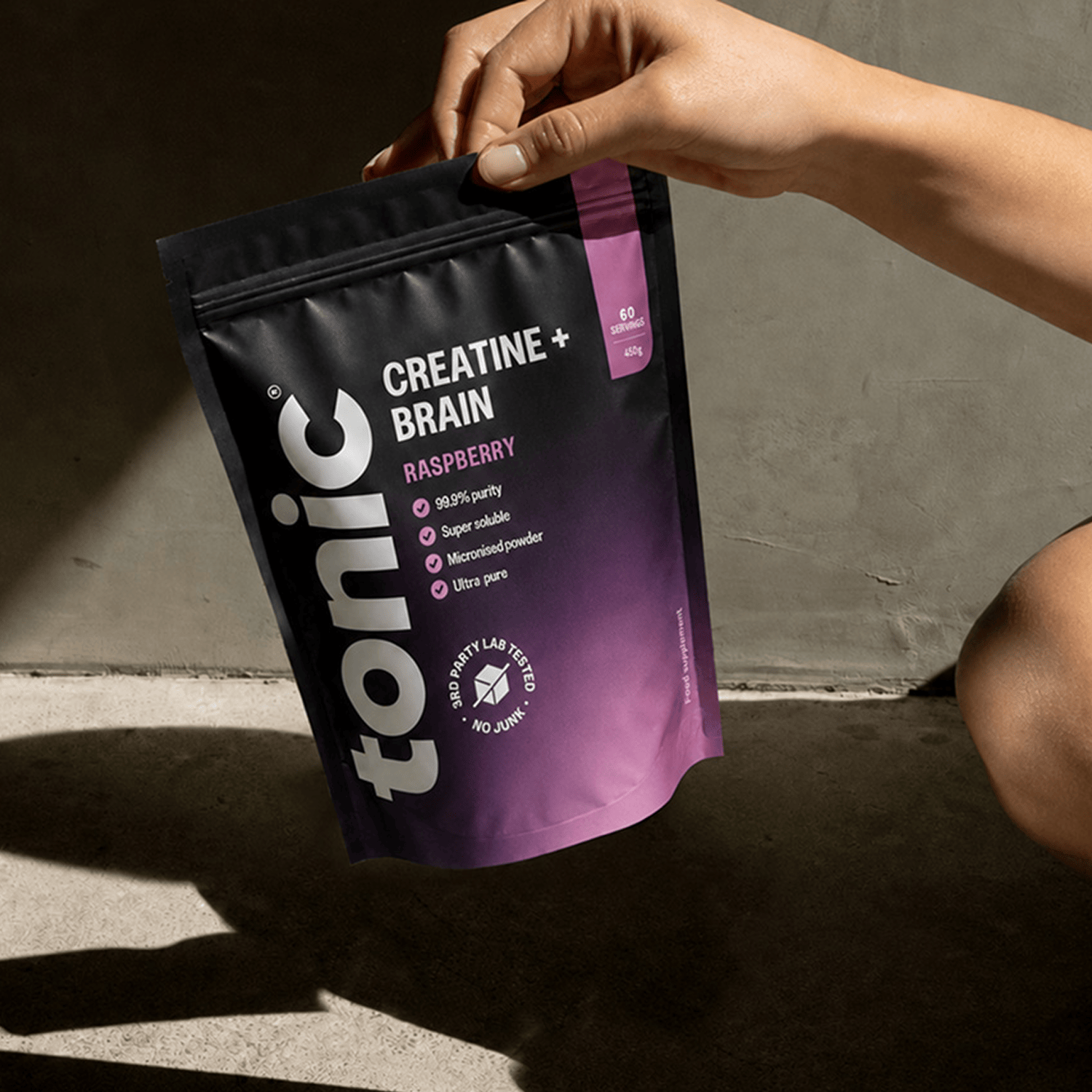
Tonic's Energy + Hydration is designed to support both race-day nutrition and post-run recovery by combining electrolytes with key vitamins involved in energy metabolism. It includes sodium, potassium, magnesium and calcium, alongside B vitamins.
Formulations like this help replace electrolytes lost in sweat while also providing nutrients that support endurance and recovery. Approved by Informed Sport, it also offers reassurance for athletes who prioritise product testing and quality assurance.
While whole foods remain the foundation of good marathon nutrition, carefully designed hydration products can make it significantly easier to maintain electrolyte balance during long training sessions and on race day.

Fuel well, finish strong
Running a marathon is as much a nutritional challenge as it is a physical one.
Balancing fluids, electrolytes and carbohydrates helps maintain endurance performance, reduce fatigue and support recovery once the race is complete. Whether you are preparing for your first marathon or refining your strategy for a personal best, a thoughtful approach to electrolytes for running, race-day fuelling and recovery nutrition ensures your body has the support it needs to perform across every mile.
Because when training is complete and race day arrives, the right nutrition strategy can be the difference between struggling through the final miles and finishing strong.
About the Author
Natalie Louise Burrows is a registered nutritionist and Clinic Director at Integral Wellness, with a special interest in evidence-based nutrition, women’s health, digestive health, and sustainable wellbeing. She is passionate about making nutrition practical, realistic, and supportive, helping people build better health through everyday habits rather than extremes.


Leave a comment
All comments are moderated before being published.
This site is protected by hCaptcha and the hCaptcha Privacy Policy and Terms of Service apply.