



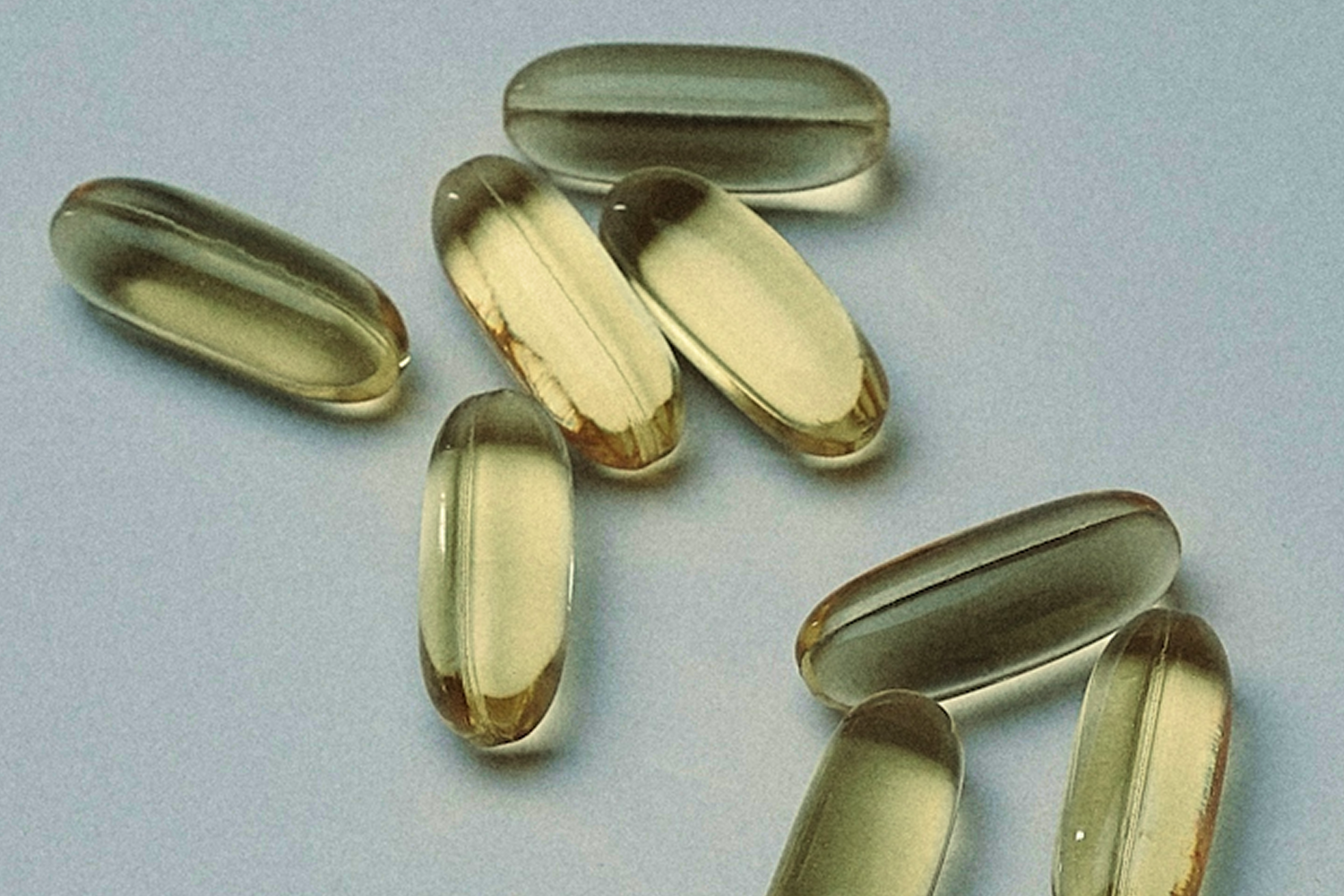
Omega-3 is one of those nutrients most people have heard of, yet few fully understand. Often linked to heart health or brain function, it falls under the umbrella of “healthy fats.” But omega-3 fatty acids aren’t just beneficial – they’re essential. The body cannot produce them on its own, so we must obtain them through food or supplementation.
“Omega-3 supports systems that underpin how we think, grow, move, and age – making it essential across the lifespan.”
Low intake can ripple across multiple systems: brain development, inflammatory balance, cardiovascular health, mood regulation, and even vision. For both children and adults, omega-3 is not a wellness trend – it’s a physiological necessity.

Why Omega-3 is Essential
Unlike other fats, omega-3s must come from diet. Every cell in the body is surrounded by a membrane made of fats. The type of fat in these membranes affects flexibility, responsiveness, and overall cell function.
“Omega-3 fats maintain cell communication – especially critical in the brain for cognition, behavior, and emotional regulation.”
EPA and DHA: Key Omega-3 Fatty Acids
When we talk about omega-3, we usually mean two long-chain fatty acids:
- DHA (docosahexaenoic acid) – concentrated in the brain and retina; supports neuronal development, visual function, and cognitive performance.
- EPA (eicosapentaenoic acid) – helps resolve inflammation and supports cardiovascular health.
Both are important, but emphasis changes with age: DHA is crucial for children’s brain and eye development, while EPA becomes increasingly relevant for adults’ inflammatory balance and heart health.

Omega-3 Across Life Stages
Omega-3 needs start before birth: maternal DHA supports fetal brain and eye development.
- Children: Supports learning, attention, emotional regulation, and visual processing.
- Adults: Supports cardiometabolic health, triglyceride regulation, vascular function, and long-term disease prevention.
- Mood & cognition: Omega-3 may also influence emotional resilience and cognitive ageing.
“Omega-3 quietly supports lifelong health, from building a child’s brain to protecting adult systems.”

Why Chia Seeds Aren’t a Direct Replacement
Chia seeds contain ALA, a short-chain omega-3 that the body must convert to EPA and DHA. This conversion is inefficient and requires other nutrients like vitamin C, zinc, and B vitamins.
“If EPA and DHA are the goal, direct sources – like oily fish or high-quality supplements – are far more reliable than plant-based alternatives.”
Chia seeds still offer fibre, gut support, and amino acids, but they aren’t interchangeable with oily fish for omega-3 intake.
Food First, Supplementation When Needed
Oily fish remains the richest source of EPA and DHA: sardines, mackerel, herring, trout, and salmon are packed with these fats plus vitamin D, iodine, and selenium.
For those struggling to eat fish regularly – kids who avoid fish, pregnant people, or adults focused on long-term health – supplementation is practical, helping bridge the gap between intake and real-life diets.
Kids Omega-3 Gummies are a simple, tasty way for children to get daily DHA & EPA support.

Balancing Omega-3 and Omega-6
Modern diets are often high in omega-6, creating imbalanced ratios that can favour inflammation. Omega-3 competes for the same enzymatic pathways, so increasing intake helps restore equilibrium.
“The simplest way to support inflammatory balance? Prioritise omega-3 while reducing ultra-processed foods.”
A Nutrient Worth Attention
Omega-3 supports the body quietly but profoundly, affecting brain, heart, mood, and visual function. Food is ideal, but supplementation ensures consistent intake where needed.
“Adequate omega-3 isn’t about chasing trends – it’s about meeting a biological need.”

About the Author
Natalie Louise Burrows is a registered nutritional therapist (BANT, CNHC) and clinic director at Integral Wellness – a nutrition and health clinic specialising in cardio-metabolic health. Along with her clinic team of nutritionists, they help men and women regain their energy, control their cravings and avoid and reverse type 2 diabetes. They also address health conditions such as high blood pressure, high cholesterol, insulin resistance, fatty liver and heart disease, and weight challenges.


Leave a comment
All comments are moderated before being published.
This site is protected by hCaptcha and the hCaptcha Privacy Policy and Terms of Service apply.