


Fibre has quietly moved from being a background nutrient to a headline topic – and I’m here for it.
Scroll through social media, and you’ll likely come across the term “fibermaxxing” – a trend encouraging people to maximise their fibre intake in pursuit of better gut health, improved digestion and even weight management.
On the surface, it sounds like a positive shift. Fibre is widely under-consumed, and increasing intake is one of the most evidence-based ways to support overall health.
But as with many nutrition trends, the way it’s applied does not always align with how the body actually works.
Because while fibre is essential, more is not always better – especially if it is introduced too quickly.

What is fibermaxxing?
“Fibermaxxing” is a term used online to describe the intentional effort to increase fibre intake as much as possible, often through a combination of whole foods, supplements and fortified products.
The idea is simple: if fibre is good for gut health, appetite regulation and blood sugar balance, then more fibre should lead to better outcomes. And, to some extent, this trend is a reaction to a real problem.
In the UK, only around 9% of adults meet the recommended 30g of fibre per day, with average intake sitting closer to 18g per day. This gap highlights just how far many diets fall short of optimal fibre intake.
So while the intention behind fibermaxxing is valid, the execution can sometimes miss an important point: maxing out on one nutrient should not come at the expense of others and, importantly, the body adapts to fibre gradually, not instantly.

The science-backed benefits of fibre
Fibre is not just about digestion. It plays a role in multiple systems across the body.
Gut health
Fibre acts as food for the gut microbiome. When fibre is fermented by beneficial bacteria in the colon, it produces short-chain fatty acids that support gut lining integrity, immune function and inflammatory balance.
Higher fibre intake has been consistently linked with greater microbiome diversity, which is often considered a marker of gut resilience.
Blood sugar regulation
Fibre slows the digestion and absorption of carbohydrates, helping to prevent sharp spikes and crashes in blood sugar.
This has implications not only for energy levels, but also for metabolic health and long-term risk of conditions such as type 2 diabetes.
Satiety and appetite regulation
Fibre-rich meals tend to be more filling. They slow gastric emptying and help regulate hunger signals, which can reduce the tendency to snack frequently or overeat.
This is one reason why many people notice improved appetite control when they increase fibre intake – not through restriction, but through improved physiological feedback.

Risks of increasing fibre too quickly
Despite its benefits, fibre needs to be introduced carefully.
A sudden jump from a low-fibre diet to a high-fibre intake can lead to:
- bloating
- gas
- abdominal discomfort
- changes in bowel habits
This is not a sign that fibre is harmful – it is a sign that the gut microbiome is being asked to adapt too quickly. The bacteria that help break down fibre need time to adjust. Without that adjustment period, fermentation can increase rapidly, leading to discomfort.
For some individuals, particularly those with conditions such as IBS or sensitive digestion, this process may need to be even more gradual.
For those with inflammatory bowel conditions, such as Crohn’s disease or ulcerative colitis, fibre intake often needs to be tailored more carefully. The type, amount and timing of fibre can significantly impact symptoms, particularly during flare-ups, so any changes should be made with the guidance of a qualified nutrition practitioner.
Fibre is beneficial, but it is not a race.
How to increase fibre safely
If you’re wondering how much fibre you should aim for per day, UK guidelines recommend around 30g. For many people, the goal is not to maximise fibre, but simply to close the gap gradually.
The most effective approach is to increase intake steadily over time. Start by adding one additional source of fibre per meal. This might look like:
- adding more vegetables to lunch and dinner
- including fruit with breakfast or snacks – leaving the kiwi skin on, a personal favourite
- swapping refined grains for whole-grain options
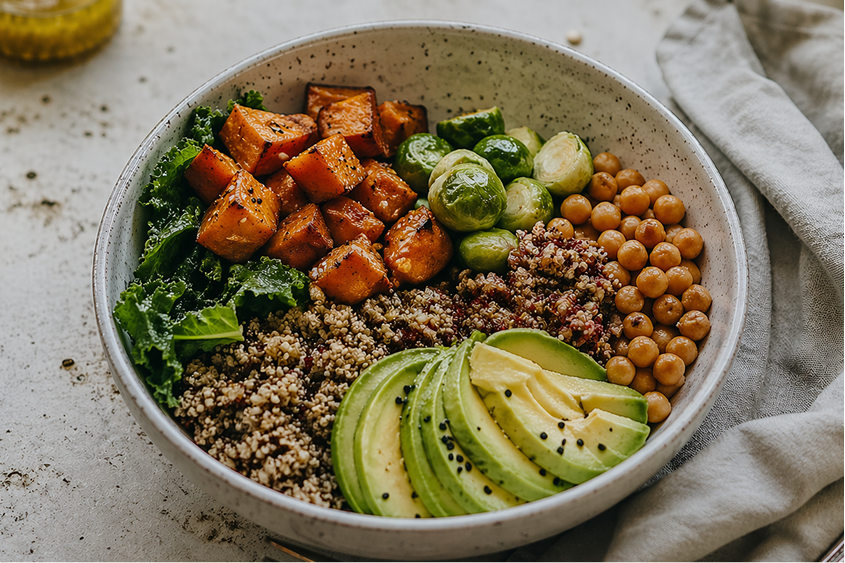
- incorporating legumes such as lentils or chickpeas a few times per week
Variety also matters. Different types of fibre feed different bacteria, so including a range of plant foods and colours can help support a more diverse microbiome.
Hydration is equally important because fibre works best when there is adequate fluid intake to support digestion and movement through the gut. Sometimes it is not the fibre increase but the lack of water intake that needs adjusting.
Supplements can also be helpful.
For those looking for convenient options or ways to sneak fibre in on the go, functional products and supplements can help bridge the gap between current intake and recommended levels. Tonic's gummies contain 3g of Fibre - an easy way to increase your daily intake.
Tonic Kids Pre + Pro Gummies provide a simple way to increase fibre intake and support gut health, particularly useful for children who struggle to consistently meet their daily targets through food alone.
As always, supplements are supplemental to a good diet, so they are best used alongside a varied diet and not as a replacement for whole foods.

A balanced perspective on fibre
The rise of fibermaxxing reflects a positive trend – people are paying attention to fibre again. But like many trends, it risks turning a beneficial habit into something overly aggressive, where other nutritional elements suffer, or into an all-or-nothing approach.
The evidence is clear that a high-fibre diet offers significant health benefits, from supporting gut health to improving metabolic stability. But those benefits come from consistency, variety and gradual change – not from sudden extremes.
For most people, the focus does not need to be on maximising fibre. It simply needs to be about eating a little more of it, a little more often, and working towards that 30g a day recommendation that has not changed for years.
Check out Fibre, Fibre, Fibre and The Gut – Our Body’s Second Brain to learn more.
About the Author
Natalie Louise Burrows is a registered nutritionist and Clinic Director at Integral Wellness, with a special interest in evidence-based nutrition, women’s health, digestive health, and sustainable wellbeing. She is passionate about making nutrition practical, realistic, and supportive, helping people build better health through everyday habits rather than extremes.



Leave a comment
All comments are moderated before being published.
This site is protected by hCaptcha and the hCaptcha Privacy Policy and Terms of Service apply.