



When conversations turn to nutrients that support energy, most people think immediately of iron, caffeine or perhaps vitamin B12.
But another B vitamin quietly plays a central role in how the body produces and uses energy: folate.
Folate, also known as vitamin B9, is essential for several fundamental biological processes, from red blood cell formation to DNA synthesis. It also contributes to the metabolic pathways that convert food into usable cellular energy.
Without adequate folate, these systems cannot function efficiently, which is why symptoms such as fatigue, poor concentration and low energy can sometimes be linked to suboptimal levels.
Understanding what folate does, where it is found in the diet and how different forms of folate are used in the body can help clarify why this nutrient remains so important for everyday health.

What is folate?
Folate is a water-soluble B vitamin, meaning it dissolves in water and is not stored in large amounts in the body. Because of this, regular dietary intake is important to maintain adequate levels.
Its name comes from the Latin word folium, meaning “leaf”, reflecting the fact that many folate-rich foods are leafy green vegetables.
Some of the best dietary sources include:
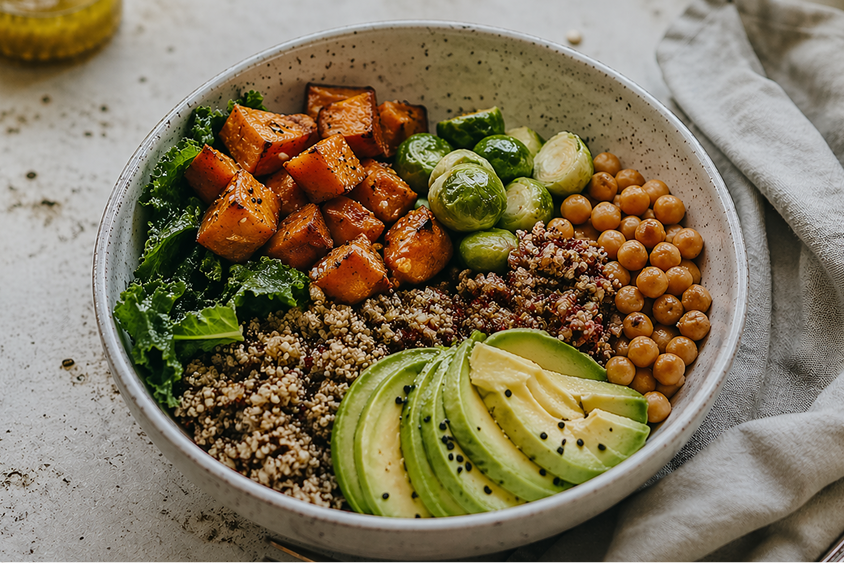
- spinach, kale and other leafy greens
- broccoli and Brussels sprouts
- lentils, chickpeas and beans
- asparagus
- citrus fruits
- eggs
- liver
These foods provide naturally occurring folate, which the body can use to support a range of metabolic functions.
Because folate is involved in DNA synthesis and cell division, it is particularly important during periods of growth and development, which is why it is widely recommended during pregnancy. However, folate remains equally relevant for adults, as it continues to support energy metabolism and cellular repair throughout life.

Folate & energy metabolism
One of the key benefits of folate is its role in the body’s energy production. Its involvement in the biochemical pathways that convert food into usable cellular energy makes it a vital nutrient for overall metabolic function.
Folate contributes to energy metabolism by supporting the cellular processes involved in glycolysis, lipolysis and the Krebs cycle, which ultimately feed into the electron transport chain to generate ATP molecules.
In practical terms, this means folate helps support the processes that allow carbohydrates, fats and proteins to be metabolised efficiently.
Folate also works closely with other B vitamins, particularly B6 and B12, as well as iron, in pathways involved in red blood cell formation. Healthy red blood cells are essential for transporting oxygen around the body, which directly influences energy levels and physical performance.
When folate levels are low, red blood cell production may be impaired, potentially contributing to fatigue or anaemia. This is one reason why folate and fatigue are often linked in discussions about nutritional status and energy metabolism.
Folate may work quietly, but its role in energy, oxygen transport and cellular repair is significant.
Signs of low folate
Because folate is involved in multiple metabolic pathways, low levels can affect several aspects of health.
Some of the more common signs associated with low folate status include:
Fatigue
Since folate contributes to red blood cell formation and energy metabolism, low levels may lead to persistent tiredness or reduced stamina.
Brain fog or difficulty concentrating
The brain relies heavily on efficient cellular metabolism and oxygen delivery, both of which are influenced by folate status.
Anaemia
A prolonged deficiency can lead to megaloblastic anaemia, a condition characterised by large, immature red blood cells that cannot carry oxygen effectively.
Other symptoms may include irritability, weakness or shortness of breath in more pronounced cases. However, these symptoms can have many possible causes, so proper medical assessment is always important if a deficiency is suspected.
Choosing a high-quality folate supplement
For many people, a balanced diet rich in vegetables, legumes and whole foods provides a solid foundation of folate, as long as food is being broken down and absorbed well.
However, supplementation may be considered in certain situations, such as:
- pregnancy or preconception planning
- restricted dietary patterns
- increased nutritional demands
- nutrient needs shown on a recent blood test
- individuals looking to support energy or iron metabolism
When choosing a folate supplement, there are a few factors worth considering.
Form of folate
Some supplements provide folic acid, while others include methylated forms such as 5-MTHF. Products containing methylated folate are sometimes preferred by individuals seeking to support efficient utilisation of the nutrient, or who are aware of a SNP in their MTHFR gene.
Quality and formulation
High-quality supplements often combine folate with complementary B vitamins such as B6 and B12, reflecting how these nutrients work together within metabolic pathways, just as they are found in combinations in food.
Appropriate dosage
As with all nutrients, more is not necessarily better. Choosing products that provide evidence-based doses within recommended ranges is generally advisable, and the duration of time you take them for matters too.

Folate vs folic acid
The terms folate and folic acid are often used interchangeably, but they are not exactly the same thing.
Folate refers to the naturally occurring forms of vitamin B9 found in foods. Folic acid, on the other hand, is a synthetic form of vitamin B9 commonly used in fortified foods and many supplements.
Both forms can contribute to overall vitamin B9 intake, but they differ slightly in how the body processes them.
Folic acid must first be converted into active forms of folate before the body can use it. This conversion occurs through several enzymatic steps in the liver and other tissues.
One of the biologically active forms is 5-methyltetrahydrofolate, often referred to as methylated folate.
For some individuals, genetic variations in an enzyme called MTHFR may influence how efficiently this conversion occurs. This has led to growing interest in supplements containing methylated folate, which is already in an active form that the body can use more directly.
However, this does not negate the body of evidence demonstrating positive outcomes from folic acid use among those who can convert it effectively.
A quick note on genetic testing
Curious about your MTHFR variant? You may have come across genetic testing when reading about MTHFR. This sits within nutrigenomics, a growing area exploring how our genes interact with nutrients and lifestyle.
In my work as a nutritionist and within my clinic, we sometimes use genetic testing from approved labs to provide additional context for health. Gene variants are not black and white. They are more like dimmer switches, influenced by how you live day to day.
That is why results are always considered alongside symptoms, health history, and diet and lifestyle.
If you are curious to explore this further, we offer genetic testing at Integral Wellness, and you can book a free call to find out more.
A small vitamin with a big role
Folate may not always receive the same attention as other nutrients associated with energy and vitality, yet its role in metabolic health is significant.
From supporting DNA synthesis and red blood cell production to supporting normal energy-yielding metabolism, vitamin B9 helps maintain many cellular processes that keep the body functioning well.
Ensuring adequate intake, through diet or supplementation when appropriate, helps provide the metabolic foundation needed for sustained energy, focus and overall wellbeing.
Sometimes, the nutrients doing the most important work are the ones operating quietly behind the scenes.
About the Author
Natalie Louise Burrows is a registered nutritionist and Clinic Director at Integral Wellness, with a special interest in evidence-based nutrition, women’s health, digestive health, and sustainable wellbeing. She is passionate about making nutrition practical, realistic, and supportive, helping people build better health through everyday habits rather than extremes.


Leave a comment
All comments are moderated before being published.
This site is protected by hCaptcha and the hCaptcha Privacy Policy and Terms of Service apply.