

The ice cream van. The freezer aisle. The inevitable pleading at the beach. Summer and ice cream are practically inseparable – and honestly, that's fine. I love a good ice cream and enjoyed one daily on my recent five-day trip to Italy.
Food is part of life, and joy is part of food. But if ice cream is appearing daily across a six-week holiday (42 days), it's worth knowing what's actually in it, and whether there are easier, more nutritious alternatives that still hit that ice cream desire.
This isn't about banning anything. It's about having options.
Is Ice Cream "Bad" for You?
Not inherently. Most commercially produced ice cream contains dairy, sugar, and some fat – none of which are harmful when eaten every now and again. The issue tends to be frequency, portion size, and what else is going on around it in the diet. A single scoop on a hot afternoon is a very different thing from a daily 500ml tub eaten in front of the television.
The nutritional concern is the combination of high added sugar and low protein or fibre, which means blood sugar rises quickly and drops just as fast – leaving both adults and children feeling tired, irritable, and reaching for something else soon after.
Why Is Ice Cream So Popular in Summer?
Beyond the obvious appeal of something cold on a hot day, there's genuine physiology at work. Heat increases fluid loss and energy expenditure, which can drive cravings for quick energy sources – sugar being the most accessible. Add boredom, social occasions, the relaxed rhythms of the holidays and the way ice cream is marketed, and it's easy to see how daily ice cream becomes the default.
None of this is a moral failing. It's just useful to understand so you can plan around it, ready for the long school holidays.
What to Look for When Choosing Ice Cream

Added Sugar
The NHS recommends no more than 30g of free sugars per day for adults, and no more than 24g for children aged 7 to 10. This is a limit, not a target – and it's reached far more easily than most people realise.
A standard serving of commercial ice cream can contain 15 to 25g of sugar, so one scoop can use up a significant portion of that daily allowance before you've eaten anything else. Check the label; sugar content varies enormously between products.
Saturated Fat
Cream-based ice creams tend to be high in saturated fat. This isn't cause for alarm in the context of an otherwise balanced diet, but it's worth being aware of if ice cream is a daily occurrence.
Portion Size
The portion sizes on packaging rarely reflect what most people actually eat. A 75ml serving is nutritionally very different from a 300ml one, and the gap between the two is where most of the excess sugar and fat sit.
Protein and Fibre
Standard ice cream contains almost no protein or fibre, which is why it doesn't satisfy for long. Swaps that incorporate Greek yoghurt, nut butter, or whole fruit can better keep hunger and blood sugar steady.
Additives and Sweeteners
Some lower-sugar options replace sugar with artificial sweeteners, which may cause digestive discomfort in some people, particularly children. Others contain a long list of emulsifiers, colours and stabilisers that add nothing nutritionally. A shorter, natural ingredient list is generally a better sign.
Healthy Ice Cream Swaps That Still Feel Like Treats
Frozen Yoghurt Bark
Spread Greek yoghurt onto a lined baking tray, scatter with berries, granola and a drizzle of honey, then freeze for two to three hours. Break into shards and keep in the freezer. High in protein and calcium, visually appealing, and genuinely satisfying.
Try this Greek yoghurt bark recipe.
Banana "Nice Cream"
Blend frozen bananas until smooth and creamy. The texture is surprisingly similar to soft-serve ice cream – and you can add nut butter, cocoa powder or berries to vary it. No added sugar, plenty of potassium and magnesium, and easy to make in bulk. Move over banana bread – this is the summer version of how to use up those overripe bananas.
Greek Yoghurt Ice Lollies
Blend Greek yoghurt with fruit and a little honey, pour into lolly moulds and freeze. Protein, calcium, natural sweetness – and children love making them.
Smoothie Pops
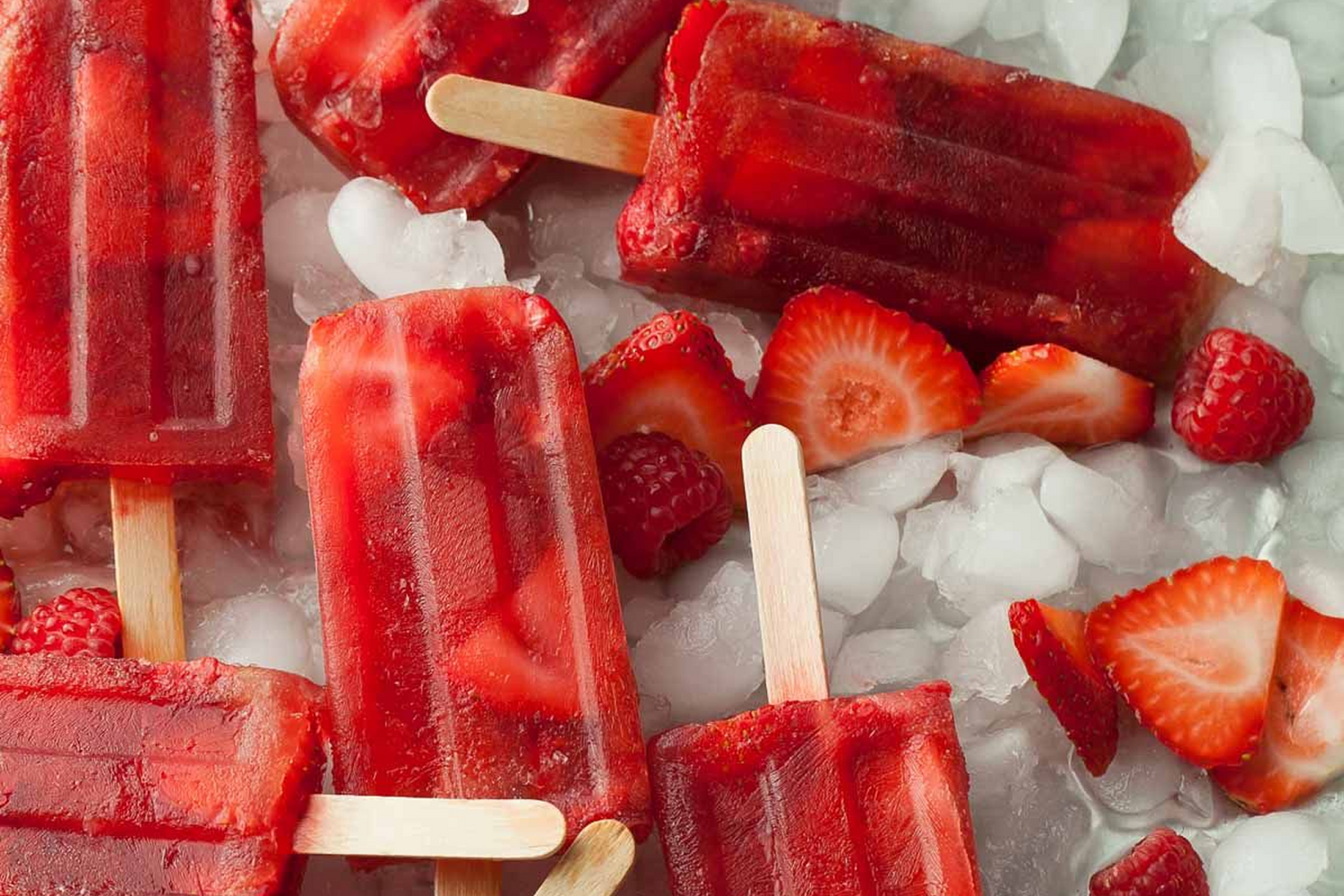
Blend fruit, yoghurt, or coconut milk, then freeze in lolly moulds. Mango and coconut, strawberry and banana, or peach and yoghurt all work well. Hydrating, naturally sweet and easy to customise. Add a slice of fruit inside the mould for a visually appealing finish.
Fruit Sorbet
Blend frozen fruit, a squeeze of citrus and a splash of water until smooth. No dairy, no added sugar, and genuinely refreshing. Watermelon sorbet is a particular summer favourite – and contributes to hydration alongside the sweetness.
Chocolate-Dipped Frozen Fruit
Freeze banana halves or whole strawberries on a stick, then dip in melted dark chocolate and refreeze. The dark chocolate provides a small amount of magnesium and antioxidants, and the fruit contributes fibre and natural sweetness. These take minutes and feel properly indulgent.

Ice Cream Swaps for Kids
Mini Portions Over Big Scoops
A small scoop in a cone is just as enjoyable as a large one for most children – especially when it's presented well and eaten slowly. Smaller portions mean less sugar and more room for a balanced meal.
Fruit-Based Lollies
Blend and freeze almost any fruit combination. Involve children in choosing flavours and pouring into moulds – the making becomes part of the treat.
Yoghurt Bowls With Toppings
Greek yoghurt with a drizzle of honey, frozen berries and some granola can feel just as special as ice cream, especially when served in a nice bowl with a spoon. The protein and fibre content means it actually sustains them.

Build-Your-Own Sundae Plates
Set out small portions of homemade ice cream or yoghurt, fruit, granola, nut butter and some dark chocolate chips, and let children assemble their own. The agency makes the food more appealing – and the overall nutritional profile is considerably better than a standard sundae.
Pair Sweet Treats With Protein or Fibre
If ice cream is on the menu, serve it alongside something that slows the sugar hit – a handful of nuts, some fruit, or after a balanced meal rather than as a standalone snack in the middle of the afternoon.
Dairy-Free and Allergy-Friendly Ice Cream Alternatives
Coconut, oat or almond milk-based ice creams are widely available and work well as a dairy-free alternative. For homemade options, coconut cream blended with frozen fruit makes a good base, and banana nice cream is naturally dairy-free and egg-free.
For children with multiple allergies, homemade is the best way to go – offering hydration and natural sweetness while avoiding common allergens.
Ice Cream, Sugar Crashes and Energy
A high-sugar ice cream eaten without anything to accompany it causes a rapid rise in blood sugar, followed by an equally rapid drop. For children, this shows up as irritability, poor concentration and renewed hunger within the hour. For adults, it's the 3pm slump in a cone.
The fix is simple: pair sweet treats with protein or fibre, or time them after a balanced meal rather than as standalone snacks.
Tonic's Kids range supports children's nutritional foundations across the holidays. Both Kids Multi and Kids Calm are sweet to taste but contain no sugar or artificial sweeteners – just beetroot fibre and stevia.
Hydration-Friendly Summer Treats
Frozen treats can actively support hydration on hot days. Watermelon sorbet, cucumber lollies, coconut water pops and smoothie pops all provide fluid alongside nutrients. Watermelon is around 92% water and contains potassium and magnesium – making it one of the most hydrating foods available in summer.
For more on getting electrolytes from food, see our guide: Electrolytes & Hydration From Your Food.
Tonic's Energy + Hydration supports electrolyte balance on busy, hot or active days – complementing food-based hydration rather than replacing it.
How to Make Summer Treats Feel Balanced, Not Restrictive
The goal is never to remove enjoyment from food. A 99 Flake on the beach is one of life's simple pleasures and has been for generations. Making memories and reminiscent moments are part of being healthy.
What makes the difference is everything around it: the meals that bookend the sweet moments, the water bottle that supports the day, and the overall pattern across the week – rather than the single moment.
Swaps work best when they don't feel like compromises – when the banana nice cream is genuinely delicious, when the frozen yoghurt bark gets requested again, and when children choose the fruit lolly because they helped make it and actually prefer it. That's the aim.
The 99 Flake and fish and chips on the beach can be enjoyed for what they are.

Supplements, Snacks and Summer Routines
Food first is always the approach – but during the summer holidays, when routines shift and diet quality can dip, a reliable daily supplement helps fill the gaps.
Tonic's Kids range offers support for growing and developing children.
For adults and teenagers on active summer days, Energy + Hydration supports electrolyte balance and energy metabolism. For year-round immune and vitality support – particularly useful during summer travel – Immunity + Vitality provides vitamin D, vitamin C and zinc as a practical daily complement.
Check out this blog for more Summer Holiday ideas: Kids' Summer Holiday Snacks: Healthy Swaps for Energy, Hydration and Happy Days.
About the Author
Natalie Louise Burrows is a registered nutritional therapist (BANT, CNHC) and clinic director at Integral Wellness – a nutrition and health clinic specialising in cardio-metabolic health. Along with her clinic team of nutritionists, they help men and women regain their energy, control their cravings and avoid and reverse type 2 diabetes. They also address health conditions such as high blood pressure, high cholesterol, insulin resistance, fatty liver and heart disease, and weight challenges.
This article is for informational purposes only and does not constitute medical advice. If you have concerns about your family's nutrition or health, please consult a qualified healthcare professional.


1 comment
Lynne Garlick
Just to say I love your advice.
Leave a comment
All comments are moderated before being published.
This site is protected by hCaptcha and the hCaptcha Privacy Policy and Terms of Service apply.