
Most of us know we should drink more water. But hydration is about considerably more than how many glasses you manage in a day. If your body doesn't have the right minerals to work with, water alone won't fully do the job – and that's where electrolytes come in.
Whether you're heading into a busy summer of holidays, outdoor exercise and long days in the heat, or you simply want to understand what's behind the fatigue, headaches and brain fog you've been putting down to "not drinking enough" – this is worth reading.
What Are Electrolytes?
Electrolytes are minerals that carry an electrical charge when dissolved in fluid. They are essential for generating and conducting electrical signals in nerves and muscles, maintaining fluid balance between cells, and keeping the body's internal environment stable.
The main electrolytes – and their roles – are:
- Sodium regulates fluid balance and is the primary driver of nerve impulse transmission. It's the most abundant electrolyte in the fluid outside your cells and controls how water moves around the body.
- Potassium works alongside sodium to regulate muscle contractions and nerve signals. It's the dominant electrolyte inside cells, and the balance between the two is critical for normal heart and muscle function.
- Magnesium supports over 300 biochemical processes in the body, including energy production, muscle relaxation and nerve function. It also plays a key role in activating vitamin D.
- Calcium is essential for muscle contraction – including the heart – as well as nerve signalling and bone health.
- Chloride works with sodium to maintain fluid balance and is a key component of the digestive acid that breaks down food in the stomach.
Together, these minerals keep your muscles firing, your brain communicating, your heart beating rhythmically, and your cells properly hydrated. When any of them falls out of balance, you can feel it.

Why Hydration Is About More Than Just Water
Water is essential – but it doesn't work in isolation. For water to be absorbed and retained by your cells, electrolytes need to be present, particularly sodium, which regulates how water moves across cell membranes.
This is why drinking large amounts of plain water in one go – especially when you're already depleted – can actually dilute electrolyte concentrations in the blood rather than resolving dehydration. True hydration means replacing both the fluid and the minerals lost alongside it.
Sweating and Mineral Loss
Sweat isn't just water. It contains sodium, potassium, magnesium, calcium and chloride – all lost in varying amounts depending on how hard you're working and how hot it is. Sodium is lost in the greatest quantities; magnesium and calcium losses are smaller but become significant over longer sessions or repeated exercise days.
Exercise, Heat and Travel
Any situation that increases fluid loss also increases electrolyte loss. Intense exercise, high temperatures, long days outdoors, illness involving vomiting or diarrhoea, and flying all accelerate depletion in ways that water alone won't address.
The Best Foods for Natural Electrolytes
For most people in everyday life, a varied whole-food diet provides a solid electrolyte foundation. These are the most effective foods to build in regularly.
Coconut Water
Naturally rich in potassium, sodium, magnesium and calcium, and one of the best ready-made rehydration options after exercise or in the heat. Choose unsweetened varieties.
Bananas
A reliable source of potassium, magnesium and B6. Convenient, portable and useful before or after physical activity.
Watermelon
Around 92% water, plus potassium, magnesium and lycopene. A summer staple for fluid and electrolyte intake in one go. Worth noting: it can spike blood sugar in some people, so if you're watching yours, lean into the leafy greens instead.
Leafy Greens
Spinach, kale, rocket, Swiss chard and spring greens deliver magnesium, potassium and calcium. Add them daily – not occasionally – especially during active or warm periods.
Avocados
Higher in potassium than bananas, plus magnesium. Their healthy fat content also supports the absorption of fat-soluble nutrients.
Dairy and Yoghurt
Milk, yoghurt and kefir provide calcium, potassium and protein. Fermented versions also support gut health and nutrient absorption. Greek yoghurt is a solid post-exercise choice.
Citrus Fruits
Potassium plus vitamin C, which supports adrenal function – relevant because the adrenals help regulate sodium and potassium balance.
Sea Salt and Broths
Celtic sea salt or Himalayan salt provides sodium and trace minerals in a less-processed form. Bone and vegetable broths are an underrated electrolyte source – easy, practical and particularly useful after illness or intense exercise.

Signs You Might Need Better Hydration Support
Thirst is a late signal. By the time you feel thirsty, mild dehydration may already be affecting how you feel and function.
Other signs that your hydration and electrolyte balance may need attention:
- Fatigue that doesn't resolve with rest
- Headaches, especially in warm weather or after exercise
- Muscle cramps, particularly in the legs and feet – or that twitchy eyelid
- Dizziness on standing or during physical activity
- Brain fog and difficulty concentrating
None of these are definitive on their own. But if they're familiar and you're not prioritising electrolyte-rich foods and regular fluid intake, that's a reasonable place to start.
Electrolytes for Exercise, Summer and Travel
Exercise recovery – Water and a balanced diet cover most people for sessions under an hour. For longer, more intense training or exercise in heat, electrolyte support becomes more relevant. You're losing more than fluid.
Heatwaves – Even without exercise, hot weather increases fluid and electrolyte loss. Don't wait for thirst. Drink regularly, eat electrolyte-rich foods and stay ahead of it.
Flights and long-haul travel – Cabin humidity is low, and on a long-haul flight you can lose up to two litres of water before factoring in alcohol, caffeine or high-sodium plane food. Arrive well hydrated, go easy on alcohol, and consider electrolyte support on longer journeys. You'll feel the difference on arrival.
Alcohol – Alcohol suppresses the hormone that signals the kidneys to retain fluid. That's partly why the morning-after headache feels worse than just tiredness – it's partly electrolyte depletion. Plain water helps, but electrolyte-rich fluids are a more effective recovery strategy.
Hydration Support for Kids and Families
Children are more vulnerable to dehydration than adults. Their bodies have a higher surface-area-to-volume ratio, which means they lose fluid more quickly in heat – and they're less reliable at recognising or communicating thirst.
During summer holidays, outdoor sports and travel, a few simple habits make a real difference:
- Offer fluids regularly rather than waiting for children to ask – they won't, they're having too much fun
- Include naturally hydrating foods as part of everyday snacking: watermelon, cucumber, citrus, yoghurt, homemade ice pops
- Avoid relying on fruit juice or high-sugar squash
- Keep a water bottle accessible throughout the day
Food First vs Electrolyte Supplements
For most people, on most days, a varied diet that includes the foods above will provide adequate electrolyte support alongside regular fluid intake. If you're eating well, not exercising intensely, and not facing significant heat or travel demands, food first is likely sufficient.
There are situations where food alone is less practical – intense or prolonged exercise, extended time in the heat, illness, long-haul travel, or periods when diet quality has dipped. In these situations, electrolyte supplementation provides a reliable, convenient way to ensure consistent mineral intake without relying on food timing and variety.
Consistency matters here. Sporadic hydration followed by heavy supplementation is less effective than steady, daily support.
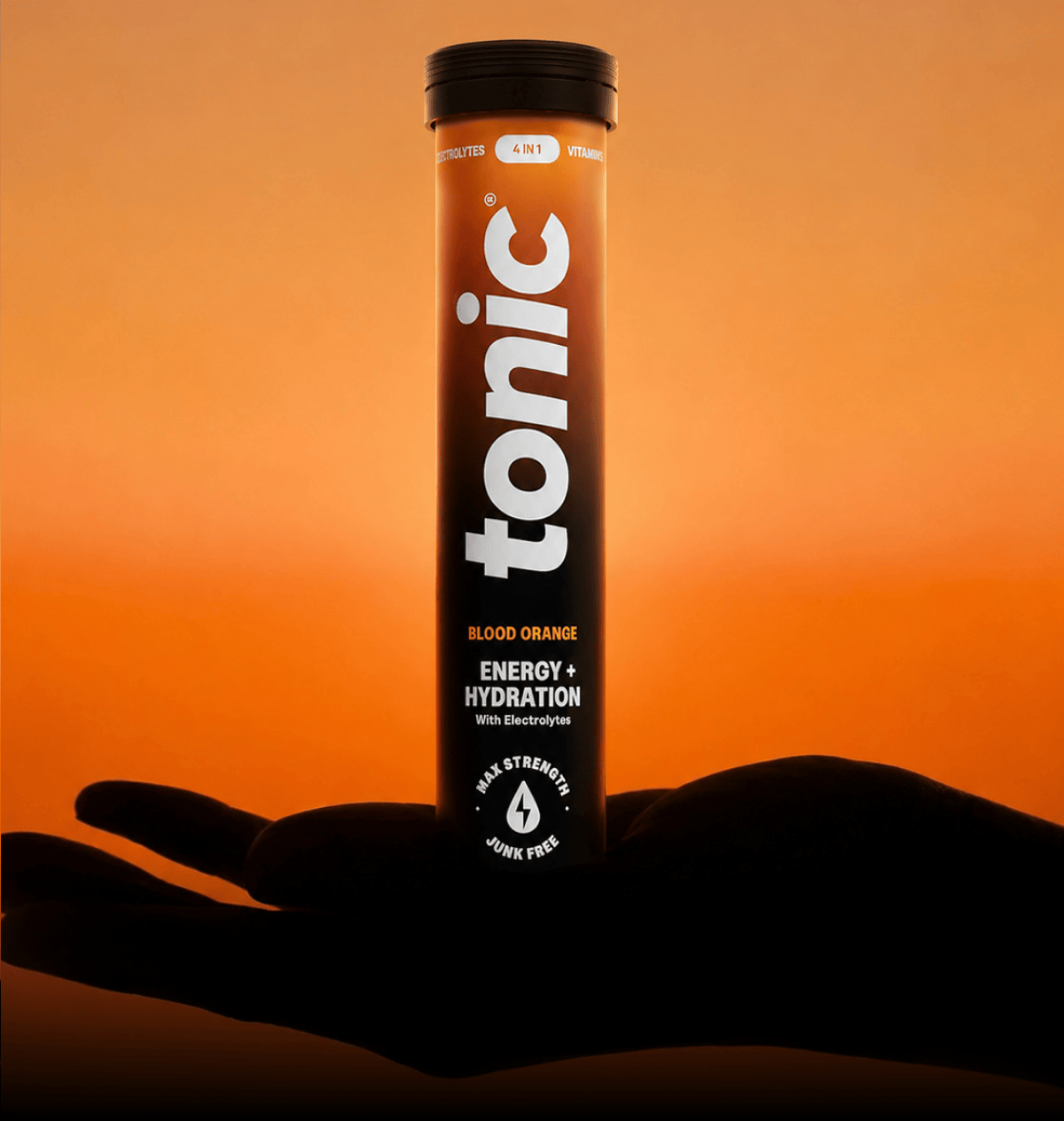
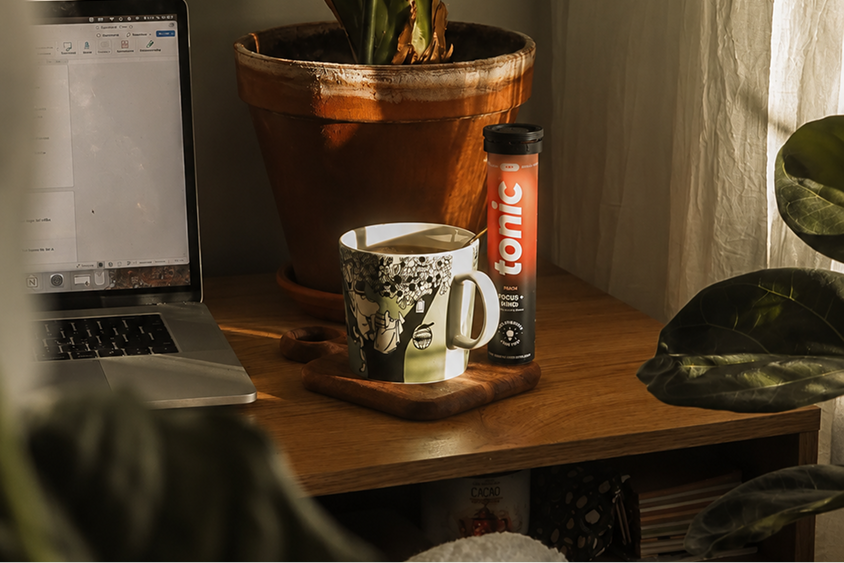
This is where Tonic's Energy + Hydration earns its place. Not as a replacement for food, but as a practical complement to it – particularly during summer, travel and active periods when demands are higher and consistency is harder to maintain.
How to Choose a High-Quality Electrolyte Product
Not all electrolyte products are created equal. Here's what to look for:
Sugar Content
Many commercial sports drinks rely heavily on sugar to make them palatable. In modest amounts during exercise, some sugar can aid electrolyte absorption – but high sugar content in a product intended for general daily hydration is unnecessary and counterproductive.
Artificial Additives
Colours, sweeteners and preservatives add nothing to electrolyte function and may cause issues for sensitive individuals. Look for products that use natural flavouring and keep the ingredient list clean.
Mineral Balance
A good electrolyte product should include sodium, potassium and magnesium as a minimum. It shouldn't skew too heavily toward sodium relative to potassium – the balance between the two is key for muscle, nerve and energy function.
Functional Ingredients
Some products go beyond basic minerals to include ingredients that support energy metabolism, immune function or cognitive clarity.
Tonic's Energy + Hydration combines electrolytes with B vitamins to support energy metabolism. For broader immune and vitality support alongside hydration, Immunity + Vitality works well as a year-round complement – providing vitamin D, vitamin C and zinc alongside the hydration and energy support your body needs, particularly when you're pushing through a busy summer schedule.

Hydration, when done well, isn't complicated – but it goes beyond the glass of water on your desk. Food, minerals, consistency and context all matter. Build the food foundations, pay attention to when demand increases, and fill the gaps with products you can trust.
Your body is largely water, after all. It deserves more than a half-hearted refill.
About the Author
Natalie Louise Burrows is a registered nutritional therapist (BANT, CNHC) and clinic director at Integral Wellness – a nutrition and health clinic specialising in cardio-metabolic health. Along with her clinic team of nutritionists, they help men and women regain their energy, control their cravings and avoid and reverse type 2 diabetes. They also address health conditions such as high blood pressure, high cholesterol, insulin resistance, fatty liver and heart disease, and weight challenges.
This article is for informational purposes only and does not constitute medical advice. If you have concerns about your hydration, mineral levels or supplement use, please consult a qualified healthcare professional.


Leave a comment
All comments are moderated before being published.
This site is protected by hCaptcha and the hCaptcha Privacy Policy and Terms of Service apply.