


Should You Be Wearing Suncream Every Day? Benefits, Drawbacks and What to Actually Look For
Summer is here – and with it comes longer days, higher UV levels, and a lot of conflicting advice about suncream. Is SPF 30 enough? Should you go mineral or chemical? Does sunscreen block vitamin D? And what does "reef safe" actually mean?
Given that the UV index in the UK starts rising from late spring and stays elevated through to September, it's worth cutting through the noise. Here's what suncream actually does, what it doesn't do, and how to choose one that works for you and your family.
Quick tip: When your shadow is shorter than you are, UV levels are high enough to cause skin damage – and to help you absorb vitamin D. When your shadow is longer (think autumn and winter), the opposite is true.

UVA vs UVB: What's the Difference?
These two types of ultraviolet radiation affect the skin differently – but both matter.
UVB rays are the ones responsible for sunburn. They penetrate the surface layers of the skin and are the primary known cause of the DNA damage that can lead to skin cancer. The NHS advises that in the UK, UVB levels are high enough to cause damage between 11am and 3pm from March to October – and not just on sunny days.
UVA rays penetrate more deeply and are present year-round, even on cloudy days and through glass. They are primarily associated with premature skin ageing, pigmentation changes and longer-term skin damage – and can also play a role in the development of skin cancer.
A good suncream protects against both. That's why you need to look beyond the SPF number alone.
What Does SPF Actually Mean?
SPF stands for Sun Protection Factor. It measures UVB protection specifically, on a scale from 2 to 50+.
- SPF 30 filters out around 97% of UVB rays
- SPF 50 filters out around 98%
What SPF doesn't tell you is how well a product protects against UVA – that's where the star rating comes in (more on that below).
One important point: SPF is measured under lab conditions using a specific amount of product. In practice, most people apply far less than the tested amount. The NHS recommends adults use around six to eight teaspoons of suncream to cover the whole body, and reapply every two hours.
The Benefits of Wearing Suncream
The evidence for regular suncream use is well established. According to the American Academy of Dermatology, suncream can prevent sunburn, reduce the risk of skin cancer, and help prevent the early signs of skin ageing.
Skin cancer is the most common cancer in the UK. Sunburn is one of the most significant – and preventable – risk factors.
UV exposure is also the leading external cause of premature skin ageing. When collagen breaks down due to UV damage, the result is pigmentation, reduced elasticity and visible wrinkles over time. There's no point investing in a collagen supplement if you're not protecting your skin from the outside too.
Personally, I wear a broad-spectrum SPF on my face all year round – not just for sun protection, but also to protect against the skin damage associated with blue light, which most of us are exposed to far more than we realise.
For families, the stakes are particularly high. Children's skin is more delicate than adult skin, and the NHS is clear that repeated sun exposure in childhood can contribute to skin cancer developing in later life.
The Drawbacks and Common Concerns Around Suncream
No product is without nuance, and suncream is no exception.
The main concerns raised include:
- Skin irritation or allergic reactions – more common with chemical formulations
- Absorption of chemical UV filters – a 2019 study published in JAMA found evidence that certain active chemical ingredients may be absorbed into the bloodstream, though potential harm remains unconfirmed
- Environmental impact – certain UV filters have been linked to coral reef damage (more below)
For people with sensitive skin, young children, or those who prefer a more cautious approach, mineral suncreams are a well-regarded alternative.
Chemical vs Mineral Suncream: Which Is Better?
Both protect the skin from UV damage. The difference lies in how they do it.
Chemical Suncream
Chemical suncreams contain compounds such as oxybenzone, avobenzone and octinoxate. They absorb UV rays and convert them into heat, which is then released from the skin.
The advantages:
- Lighter in texture and easier to apply
- Often more water-resistant, making them popular for sport and swimming
The drawbacks:
- Need to be applied around 20 minutes before sun exposure
- Slightly higher risk of irritation for sensitive skin
- Concerns around chemical absorption and environmental impact
Mineral Suncream
Mineral suncreams use zinc oxide or titanium dioxide as their active ingredients. They work by sitting on the skin's surface and physically reflecting UV rays away.
The advantages:
- Work immediately on application
- Generally well tolerated by sensitive skin
- Considered the preferred option for young children
The drawbacks:
- Thicker texture that can be harder to blend
- Can leave a white cast, though modern formulations have improved significantly

What to Look For in a Good Suncream
Broad-spectrum protection
This means protection against both UVA and UVB – and may offer some defence against blue light too. Look for the words "broad-spectrum" on the label as a baseline requirement.
SPF 30 or higher
The NHS recommends at least SPF 30 for everyday use, with SPF 50 for those with fair skin, in high-UV environments, or spending extended time outdoors.
UVA star rating
In the UK, UVA protection is shown as a star rating from one to five. The NHS recommends at least four stars. Look for either the star rating or the EU "UVA in a circle" symbol, which confirms the product meets the EU standard.
Water resistance
If you're swimming, exercising or likely to sweat, water resistance matters. Products are rated for either 40 or 80 minutes of water resistance. Always reapply after towelling dry – "resistant" does not mean "proof".
Sensitive-skin friendly ingredients
For reactive or sensitive skin, look for fragrance-free, paraben-free formulations and favour mineral-based products with zinc oxide or titanium dioxide. Avoid oxybenzone if skin sensitivity or hormonal concerns are a consideration – it's also one of the ingredients most associated with environmental harm.
Suncream for Kids and Families
Children's skin requires particular care. The NHS recommends SPF 30 as a minimum for children in the UK from March to October, applied to all areas not covered by clothing. Babies under six months should be kept out of direct strong sunlight altogether.
For a family sun kit, mineral formulations are the simplest choice: immediately effective, less likely to irritate, and free from the chemical compound concerns associated with some conventional suncreams.
And remember – suncream is only one part of a broader approach to protection. Shade, protective clothing and timing outdoor activities outside of peak UV hours (11am to 3pm) are all important, especially for young children.
Suncream, Vitamin D and Safe Sun Exposure
One of the most common worries about suncream is that it will block vitamin D production. It's a fair concern.
Suncream does reduce the amount of UVB that reaches the skin – and UVB is required to synthesise vitamin D. That said, most people don't apply enough suncream to block synthesis entirely, and incidental sun exposure throughout the day still contributes.
Two practical points worth knowing:
- 10 to 15 minutes of sun exposure before applying suncream can be an effective way to support vitamin D production while keeping your skin protected during peak hours.
- If you have a genetic variation (SNP) in your VDR receptor, your ability to synthesise vitamin D from sunlight may be lower than average. Those 15 minutes become even more important – and year-round supplementation with regular testing is worth considering.
Those with darker skin tones, limited outdoor time, older adults, pregnant women and young children are all advised to supplement year-round regardless.
This is where Tonic's Immunity + Vitality can help to bridge the gap – providing vitamin D alongside other key immune and energy nutrients, particularly useful in the months when sun exposure alone isn't sufficient.
What About "Reef Safe" Suncream?
If you're heading somewhere near coral reefs this summer, it's worth knowing that certain chemical UV filters – particularly oxybenzone and octinoxate – have been linked to coral bleaching, DNA damage in juvenile coral, and disruption of coral reproduction.
A 2016 study found that oxybenzone caused multiple toxic effects in developing coral at very low concentrations. Hawaii was the first jurisdiction in the world to ban the sale of sunscreens containing these ingredients.
The honest caveat: no suncream is truly "reef safe". Even mineral formulations contain additives, and nanoparticles in some zinc oxide products are still under investigation. But avoiding oxybenzone and octinoxate is a meaningful step. Look for mineral-based products using non-nano zinc oxide or titanium dioxide if you're snorkelling or swimming near reef ecosystems.
How to Build a Complete Summer Protection Routine
Suncream is essential – but it works best as part of a broader approach to summer health.
- Apply SPF 30 or higher, broad-spectrum suncream at least 20 to 30 minutes before going outside, and reapply throughout the day
- Seek shade between 11am and 3pm, when UV is strongest in the UK
- Cover up with protective clothing, a wide-brimmed hat and UV-blocking sunglasses
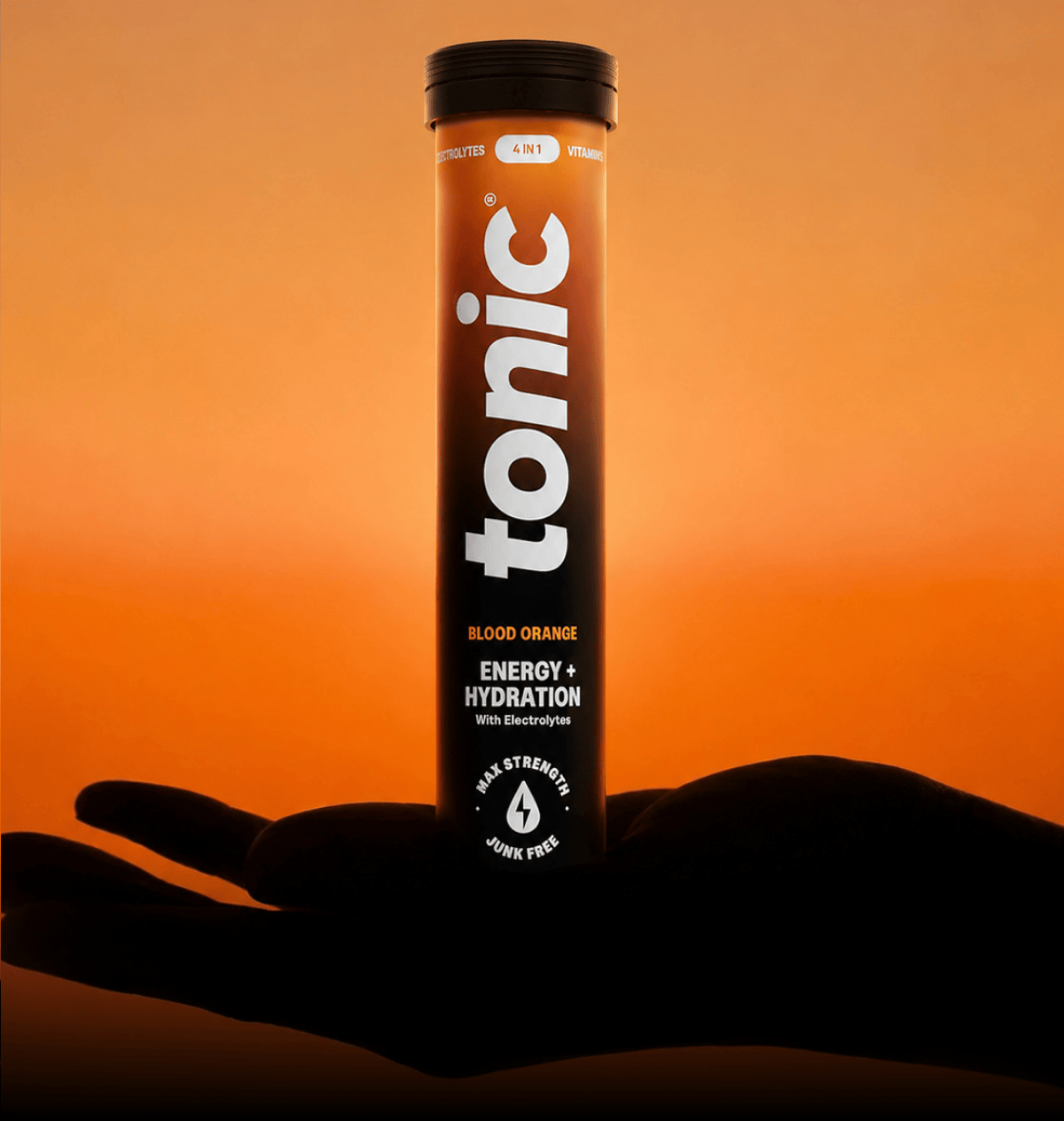
- Stay well hydrated – heat and sun exposure increase fluid loss quickly. Tonic's Energy + Hydration supports hydration with electrolytes, helping you maintain energy and focus during long days outdoors
- Support your vitamin D levels with a short period of unprotected sun exposure before applying suncream, or through supplementation where appropriate
Summer in the UK is precious – the goal isn't to hide from the sun, but to be smart about it. And a word of caution for those heading abroad: if you've been desk-bound all year, a holiday sunbed is a shock to the skin. Give it time to adjust. Behave accordingly.
A good suncream, worn consistently and applied properly, is one of the most effective health investments you can make this summer.
About the Author
Natalie Louise Burrows is a registered nutritional therapist (BANT, CNHC) and clinic director at Integral Wellness – a nutrition and health clinic specialising in cardio-metabolic health. Along with her clinic team of nutritionists, they help men and women regain their energy, control their cravings and avoid and reverse type 2 diabetes. They also address health conditions such as high blood pressure, high cholesterol, insulin resistance, fatty liver and heart disease, and weight challenges.
This article is for informational purposes only and does not constitute medical advice. If you have concerns about sun exposure, skin health or vitamin D levels, please consult a qualified healthcare professional.



Leave a comment
All comments are moderated before being published.
This site is protected by hCaptcha and the hCaptcha Privacy Policy and Terms of Service apply.