


Interest in nutritional support for focus and attention has grown significantly in recent years. For people living with ADHD – or for those who simply struggle with concentration, energy and mental clarity – the idea that what you eat and supplement could make a meaningful difference to brain function is genuinely compelling.
But what does the evidence actually say?
What are nootropics?
Nootropics are substances – sometimes called "smart drugs" or "cognitive enhancers" – used to support cognitive function. The term broadly covers anything used to support memory, attention, mental energy, learning or focus. Some are well-researched; others are overhyped. The key is knowing which is which.
ADHD, focus and brain chemistry: a simple overview
ADHD is a neurodevelopmental condition that affects the regulation of attention, impulse control and activity. At a neurological level, it is associated with differences in dopamine and noradrenaline signalling – the neurotransmitters that govern motivation, focus and executive function.
This is directly relevant to nutrition, because several nutrients are involved in the production and regulation of these neurotransmitters. Deficiencies in certain minerals and fatty acids appear more commonly in people with ADHD, which raises genuine questions about nutritional support as a meaningful foundation.
Can nutrition affect focus and attention?
Yes – and this applies to everyone, not just those with ADHD.
Blood sugar stability, gut health, sleep quality and nutrient status all influence how well the brain functions day to day. For people with ADHD, whose brains may already be working harder to regulate attention, nutritional gaps may amplify existing difficulties.
The research does not suggest that nutrition causes or resolves ADHD. It suggests that adequate nutrient status creates a better internal environment for the brain to function – and that deficiencies in specific nutrients are associated with worse outcomes.
Key vitamins and nutrients in ADHD research
Magnesium – nervous system and cognitive function
Magnesium plays a role in over 300 biochemical processes, including nerve function, neurotransmitter regulation and sleep. Research has found lower magnesium levels in people with ADHD compared to those without the condition. A randomised controlled trial also found that combined vitamin D and magnesium supplementation over eight weeks led to significant improvements in emotional and behavioural measures in children with ADHD.
Omega-3 – brain health and attention support
The brain is approximately 60% fat, and omega-3 fatty acids (EPA and DHA) are essential for cell membrane function, reducing neuroinflammation and supporting neurotransmitter signalling. A meta-analysis found that omega-3 supplementation improved ADHD clinical symptom scores and cognitive measures of attention in children and adolescents.
Children and adults with ADHD tend to have lower DHA and EPA levels. Oily fish remains the best food source, but not everyone eats enough of it to reach adequate levels. A quality supplement is appropriate for almost everyone.

Zinc – neurotransmitter support
Zinc is involved in the production and regulation of dopamine – directly relevant to ADHD. Studies have found lower zinc levels in children with ADHD, and some trials suggest supplementation may support attention and reduce hyperactivity, particularly in those who are deficient.
Zinc is involved in hundreds of biochemical processes, so adequate intake matters for all. It is mainly found in oysters, seafood and pumpkin seeds, making it challenging to get enough from food alone.
Iron – energy and dopamine pathways
Iron is required for the synthesis of dopamine. Low ferritin (the stored form of iron) has been linked to ADHD symptom severity, particularly in children. This is worth noting for menstruating women and those following plant-based diets, who are more likely to have suboptimal iron status.
Always test before supplementing – unnecessary iron supplementation can cause harm.
B vitamins – energy metabolism and brain function
B vitamins, particularly B6, B9 (folate) and B12, are central to energy production, neurotransmitter synthesis and methylation. B6 and B12 are directly involved in the production of serotonin, dopamine and noradrenaline.
Some people carry genetic variants (SNPs) that reduce their ability to process folate, which can affect methylation efficiency and cognitive function. Methylated forms of B vitamins can be a better option for some.
Nootropics commonly linked to focus support
Lion's mane – cognitive and focus support
Lion's mane mushroom contains bioactive compounds – hericenones and erinacines – that cross the blood-brain barrier and have been shown in preclinical studies to stimulate nerve growth factor (NGF), supporting neuronal growth and brain adaptability.
Human research is still developing, but interest is growing and some studies have reported improvements in cognitive performance and reductions in stress. It is among the better-evidenced functional mushrooms for cognitive support and is a key ingredient in Tonic's Focus + Mind.

Panax ginseng – mental energy and stamina
Panax ginseng has been studied for its effects on mental performance and fatigue. Research suggests it may support working memory, attention and mental endurance, particularly during periods of cognitive demand. It is an adaptogen with nootropic properties – an example of where these two categories overlap meaningfully.
Bacopa – memory and attention
Bacopa monnieri is a traditional Ayurvedic herb with a growing body of human research behind it. Studies suggest it may support memory consolidation, information processing and attention, with effects that tend to build over several weeks of consistent use rather than shortly after acute use.
L-theanine + caffeine – calm focus combination
This is one of the most consistently supported nootropic combinations in the research. L-theanine, an amino acid found in green tea, promotes calm alertness without sedation. Combined with caffeine, the two work synergistically.
A study found that the combination significantly improved accuracy during task switching and self-reported alertness, while reducing tiredness – more effectively than either compound alone.

Rhodiola – stress and mental fatigue support
Rhodiola is primarily an adaptogen, but its ability to reduce mental fatigue and support performance under stress makes it relevant to focus and cognitive endurance. It is particularly useful during high-pressure periods when mental energy is depleted rather than structurally impaired.
Adaptogens vs nootropics: what is the difference?
Adaptogens primarily support the body's response to stress – helping regulate cortisol, reduce fatigue and promote resilience. Nootropics are more specifically targeted at cognitive function: memory, attention and processing speed.
In practice, many ingredients fit both categories. Panax ginseng and rhodiola are adaptogens with clear cognitive benefits. Lion's mane is a nootropic with broader support for the nervous system. The distinction matters less than understanding what you are taking and why.
For a deeper look at adaptogens specifically, see our article What are adaptogens? Benefits, uses and what to look for.
Do nootropics actually work for ADHD?
Honestly? The evidence is mixed – and that is the honest answer.
The strongest signal is in nutrient deficiency correction, particularly magnesium, omega-3, zinc and iron. Where genuine deficiencies exist, addressing them can make a meaningful difference to how the brain functions.
For herbal nootropics, human trials are often small, short in duration and require further research to substantiate their conclusions. The results are promising enough to take seriously – but not definitive enough to overclaim.
The research consistently supports the view that lifestyle foundations – sleep, diet quality, exercise, stress management – remain the most powerful determinants of cognitive function. Supplements work best as additions to these foundations, not replacements for them.
For anyone with a formal ADHD diagnosis, supplements sit alongside – not instead of – the medical care and support already in place.
How to choose a high-quality cognitive support supplement
Look for products that:
- Use evidence-based ingredients at meaningful doses
- Use bioavailable forms of each nutrient
- Are free from unnecessary fillers, sugars and artificial additives
- Are transparent about what is in them and why
Tonic's Focus + Mind combines lion's mane with other cognitive support ingredients for daily brain health.
Energy + Hydration supports the energy metabolism and mental stamina that focus depends on, with B vitamins and Panax ginseng.

Rest + Recover provides magnesium and ashwagandha to support sleep and nervous system recovery – because no nootropic works well on a depleted, under-rested brain.
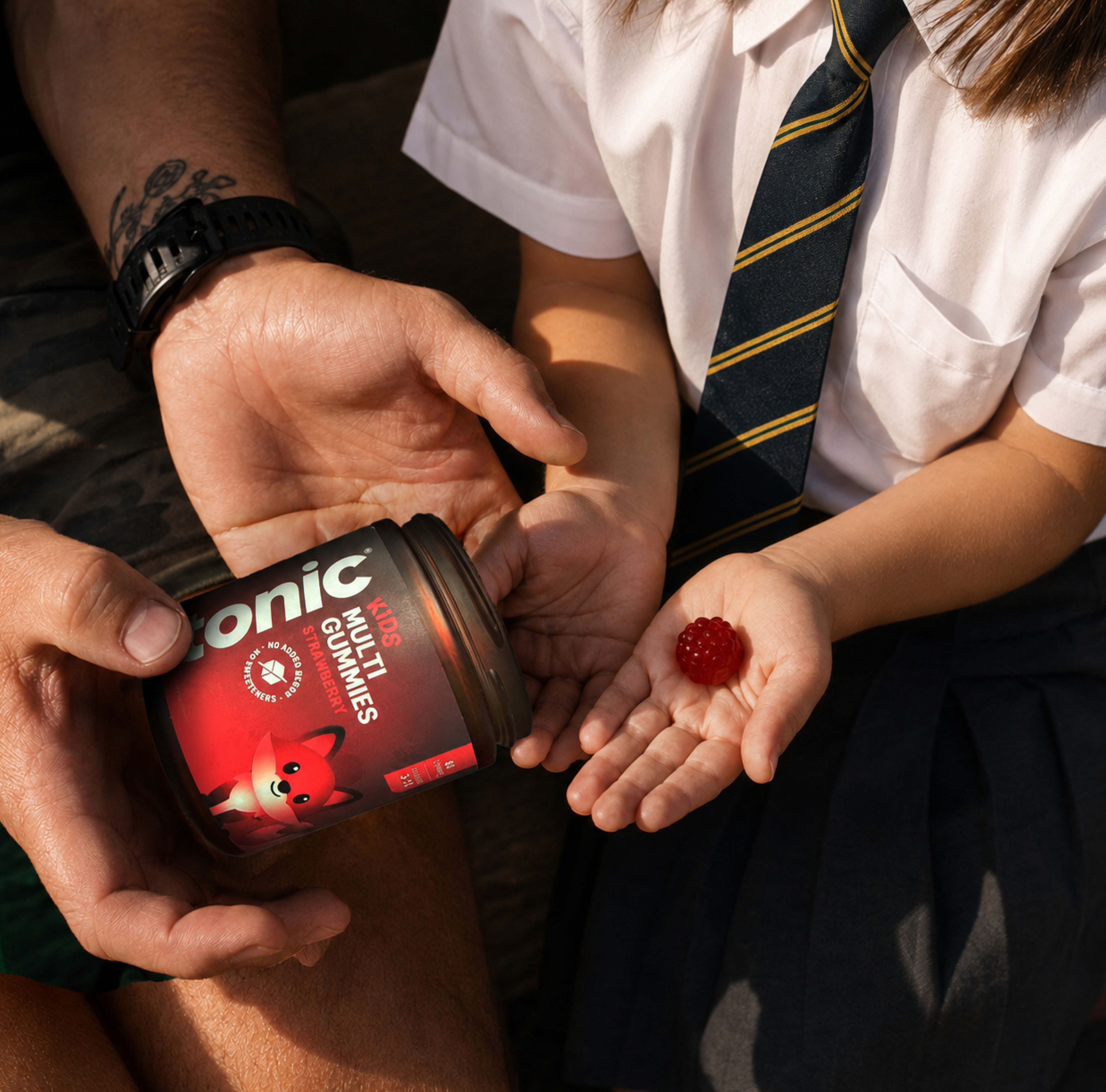
For younger family members, Tonic's Kids range includes Omega-3 gummies providing DHA and EPA for easy daily intake, and Baby Multi Drops covering vitamin D3, methylated B vitamins and zinc for the all-important biochemical pathways, growth and development.
About the author
Natalie Louise Burrows is a registered nutritional therapist (BANT, CNHC) and clinic director at Integral Wellness – a nutrition and health clinic specialising in cardio-metabolic health. Along with her clinic team of nutritionists, they help men and women regain their energy, control their cravings and avoid and reverse type 2 diabetes. They also address health conditions such as high blood pressure, high cholesterol, insulin resistance, fatty liver and heart disease, and weight challenges.
This article is for informational purposes only and does not constitute medical advice. Supplements should be taken as part of a balanced diet and healthy lifestyle. If you have any health concerns or are taking medication, please consult a healthcare professional before use.



Leave a comment
All comments are moderated before being published.
This site is protected by hCaptcha and the hCaptcha Privacy Policy and Terms of Service apply.