
If you’re feeling flatter than usual after Christmas - low energy, disrupted sleep, digestion a bit off, or catching every bug going around - you’re not alone.
This isn’t a lack of motivation or a sign you’ve “overdone it”. It’s a predictable physiological response to cumulative biological stressors over several weeks. I’m talking changes in eating patterns, more alcohol, later nights, less daylight, less movement, greater exposure to infections - and all while nature is resting.
It’s funny how we do the opposite and wonder why we don’t feel great.
Post-Christmas recovery isn’t about detoxing on green juices or starting another diet, again! It’s about helping your body rebalance, gently and effectively, so energy and immunity can come back online.
What might be happening to your body over Christmas
Over the festive period, several things tend to happen at once.
Eating patterns shift, often towards more refined carbohydrates, more frequent snacking, and fewer structured meals.
Alcohol intake increases, which disrupts sleep quality and timings, places extra demand on the liver and alters immune signalling.
At the same time, late nights, lie-ins and reduced daylight exposure disturb circadian rhythm, while colder weather and busy schedules often minimise movement.
From a metabolic perspective, this combination matters. Repeated blood sugar spikes reduce insulin sensitivity, low-grade inflammation rises, and energy production becomes less efficient. None of this is permanent damage - do not fret - but it does mean the body needs support to recalibrate.
So, let’s get to it!
Energy and immunity are deeply connected
Energy and immunity don’t operate in isolation. Mounting an immune response is metabolically demanding. It requires glucose, micronutrients and well-functioning mitochondria. When blood sugar is unstable or inflammation is elevated, energy is diverted away from day-to-day functioning and towards immune defence.
This is why low energy often accompanies frequent infections and why focusing on energy recovery is one of the most effective ways to support immunity.
Step One: Stabilise blood sugar first
If there’s one place to start post-Christmas, it’s blood sugar because unstable blood sugar (glucose) can drive:
- Fatigue and brain fog
- Cravings and energy crashes
- Increased inflammation
- Reduced immune efficiency
Importantly, this isn’t about eating less. Restriction can worsen blood sugar control by increasing stress hormones, and stress alone can raise your blood sugar.
Instead, focus on predictability and balance:
- Regular meals
- Protein at each meal
- Fibre-rich carbohydrates
- Healthy fats to slow digestion
Even a few days of consistent, balanced meals can significantly improve insulin sensitivity and energy levels, setting the foundation for everything else.
Step Two: Reduce inflammation without “cleanse culture”
After Christmas, the liver and immune system are already working hard. Extreme green cleanses, water and juice fasts, or aggressive detox protocols often increase stress rather than reduce it.
Inflammation is best lowered by support, not deprivation. Helpful strategies include things such as:
- Prioritising hydration (herbal teas are a warm hydration option and delicious)
- Increasing vegetable intake for antioxidants and anti-inflammatory polyphenols
- Including omega-3 fats from oily fish, nuts and seeds
- Gentle movement to improve circulation (never underestimate winter walks)
When inflammation falls, energy production improves, and immune responses become more regulated, without the backlash that restriction can cause.
Seriously, let’s leave diet culture behind and just focus on eating well.
Step Three: Restore sleep and circadian rhythm
Sleep is where much of the metabolic and immune repair happens, and that December schedule often disrupts it significantly.
Late nights, crazy calendars and reduced daylight exposure all affect melatonin and cortisol rhythms (our circadian rhythm).
Without enough quality sleep, immune memory formation suffers, and blood sugar regulation becomes less efficient. To support recovery:
- Aim for consistent wake-up times
- Get daylight exposure early in the day
- Wind down in the evening with low light and low stimulation (I love a Himalayan salt lamp; the health benefits of red light are fascinating)
- Avoid turning January into a “catch-up marathon”
A few nights of good-quality sleep can dramatically improve both energy and immune resilience.
Step Four: Support gut and immune health together
Over 70% of immune tissue sits in the gut, making digestive health central to post-Christmas recovery.
Alcohol, ultra-processed foods and stress can temporarily disrupt the gut lining and microbiome, increasing inflammation and reducing nutrient absorption. Feeling bloated? This could be why.
Rather than removing foods aggressively, focus on adopting gut-supportive options:
- Warm, well-cooked meals are often easier to digest than large amounts of raw or cold foods.
- Slow down and chew properly. Digestion starts in the mouth.
- Keep to real food from nature, not packaged food from a factory.
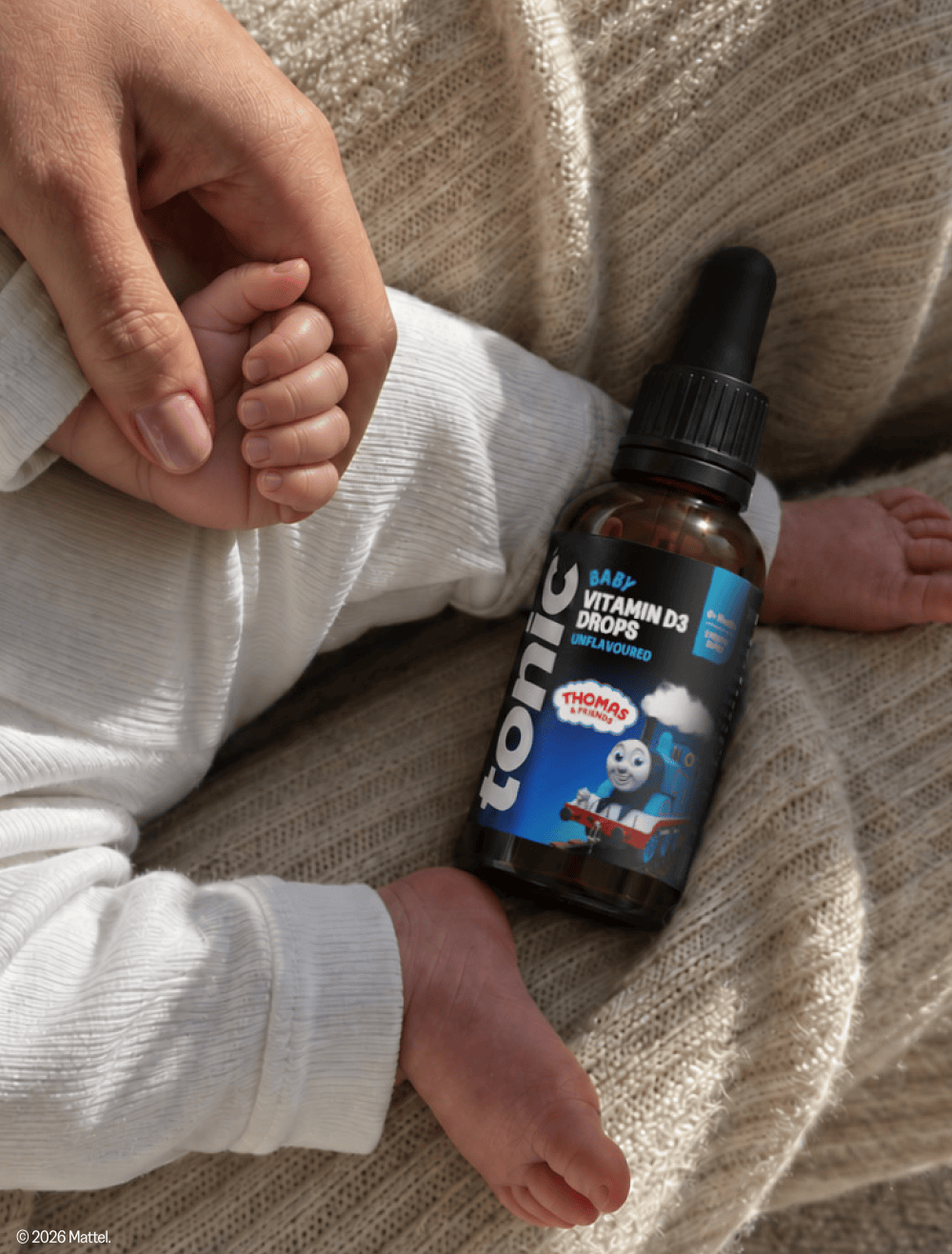
- Don’t forget vitamin D, as it plays a key role in maintaining gut barrier integrity and regulating immune responses within the digestive tract.
When the gut feels supported, immune responses become more balanced, and energy regulation has a chance to improve.
What not to do in January
Well-intentioned but counterproductive habits often delay recovery.
Please, let’s avoid extreme restriction or “punishment” dieting, intense exercise without rebuilding fuel and sleep first, supplement overload without addressing foundations, comparing January energy levels to peak summer ones and trying to lose three dress sizes by February 1st!
These approaches increase stress hormones, worsen insulin resistance, slow immune recovery and reduce nutrient absorption - the opposite of what most people are trying to achieve.
Post-Christmas recovery isn’t about starting again. It’s about helping your body remember its rhythm - stabilising blood sugar, lowering inflammation, restoring sleep and supporting immune resilience through consistent, nourishing inputs.
Energy and immunity are adaptable systems. With the right foundations, they recover faster than most people expect.
You don’t need perfection. Just enough support to let your body do what it’s designed to do.
Give your body some love; it does an incredible job for us every single day!
Read more about beating post-festive fatigue: 5 Ways to Reduce Festive Fatigue

1 comment
Carol Nichols
This is so helpful, and just what’s needed
I’ve changed my shopping list since following you on Facebook. No dieting. I now buy more organic produce. I really don’t like dark chocolate, but I’m starting with 70% and shall carry on with just this as a healthier treat.
Sleepless nights continue to be a problem!
Thank you for all your advice.
I have been taking Tonic drinks for around 6 weeks now.
Leave a comment
All comments are moderated before being published.
This site is protected by hCaptcha and the hCaptcha Privacy Policy and Terms of Service apply.