
Why Now Is the Time to Think About Your Kid's Health
Getting ready for the new school year usually means one thing for most parents: uniforms, new school bags, shiny new shoes and stationery. At Tonic, we think there's something else families should be adding to that back-to-school checklist – supporting their kid's health.
That's why we commissioned new research into how back-to-school bugs affect UK families. We surveyed 1,000 parents of children aged 5–12, and the results have revealed just how disruptive it really is, both for kids and for the parents juggling work and caring responsibilities around it.
The Real Cost of Childhood Illness
Our findings paint a clear picture of the knock-on effect that back-to-school bugs have on the whole family:
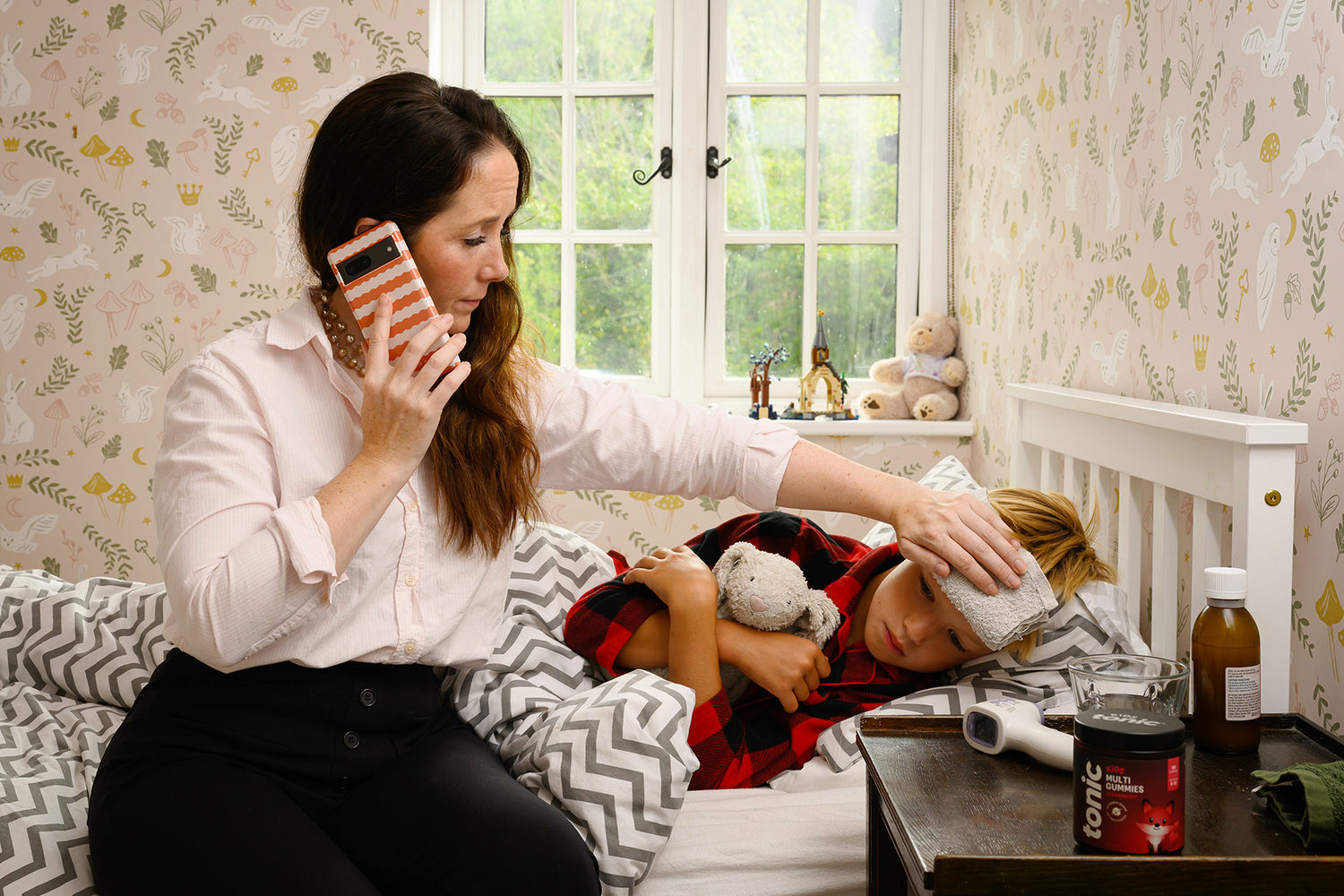
- Parents lose an average of £843 in earnings during the academic year caring for sick children
- 63% have had to take time off work because their child was ill, missing an average of 3.4 days a year – the best part of a working week
- That time away from work comes with real consequences: 37% said it increased their stress, 21% missed important meetings, and 20% had to dip into annual leave
- Almost a third (32%) said their child's illness had affected a work opportunity – things like missing a deadline, turning down a project, or being seen as less reliable
- 46% have worked from home while caring for a sick child, and 44% have relied on a partner taking time off instead
It's a familiar juggling act for many households – and one that often catches parents off guard just as term gets going. In fact, 57% of parents whose child became ill after returning to school said it happened within the first month back.

The Pressure to Send Kids Back Too Soon
Our research also highlights the difficult decisions parents face when a child is on the mend but term-time pressures are mounting. 31% admitted they've sent their child back to school before they were fully recovered – often because they couldn't take more time off work, had important commitments, or felt pressure from school attendance expectations. By contrast, 35% said they'd rather wait until their child was completely better before sending them back.
Coughs, colds, fevers and stomach upsets were the illnesses most commonly keeping children away from the classroom over the past year.
"Normal" Is Starting to Look Like a Lot of Sick Days
Perhaps most striking is how used to it parents have become. On average, parents surveyed believe it's now "normal" for a primary school-aged child to pick up around 3.6 colds a year. And 53% say they're concerned about the sheer number of illnesses their child experiences annually.
47% of parents told us they're dreading the return to school specifically because of the bugs and viruses their child might bring home, and 30% believe their children are more prone to illness during term time than during the holidays.
Preparing for Term, but Missing a Trick
Parents clearly put a lot of effort into getting ready for September. 61% said school uniforms take up most of their prep time, followed by new shoes (36%) and getting sleep routines back on track (32%). But only 26% said immune support or vitamins were among the things they focused on most.
That's despite 96% of parents agreeing that maintaining a strong immune system is important for a successful school term, and 55% saying they do plan to support their child's immune system proactively before the new term begins. The gap seems to be less about intent and more about know-how: 20% of those parents admitted they don't have a specific approach in mind.
What Parents Can Start Doing Now
Natalie Louise Burrows, our Head of Nutrition, says the run-up to term is exactly the right moment to start:
"A strong immune system starts with the basics. Nutritious meals, plenty of sleep and a steady routine in the run-up to school can help children stay fit and ready for the term ahead.
"It's understandable that many parents worry about the bugs and viruses which can spread when children return to the classroom, particularly when illness can affect family life as well as school attendance.
"While getting ill is a normal part of childhood, taking steps to support overall wellbeing ahead of a new term can help children feel ready for the year ahead."
Natalie's advice for families over the next few weeks:
Start With Sleep
Gradually bring bedtimes and wake-up times back towards the school routine. Consistent, good-quality sleep supports a child's overall health and wellbeing.
Look at What They're Eating
Aim for a varied, balanced diet with plenty of fruit and vegetables and a good range of nutrients. There's no single "magic" food.
Keep Them Moving
Regular physical activity and time outdoors are an important part of supporting a child's overall wellbeing.
Think About Key Nutrients
Vitamin D contributes to the normal function of the immune system, yet just 47% of parents surveyed were aware of NHS guidance on this.
Know Your Vitamin D Guidance
Vitamin D is a real blind spot for many families. Only 47% of parents were aware of NHS guidelines before taking part in our study – which recommend that children aged 1–4 take a daily 10mcg vitamin D supplement year-round, while adults and children over four should consider one during autumn and winter, when sunlight levels are lower.
Despite this, 55% said their child already took a vitamin D supplement of at least 10mcg during the autumn and winter months, either daily or on some days.
Small Steps Now, Ready for September
Our message isn't that illness can be avoided altogether – coughs, colds and bugs are simply part and parcel of childhood. But we believe there are simple, achievable things families can start doing over the next few weeks to support their child's normal immune function and overall wellbeing, rather than waiting until the night before term starts.
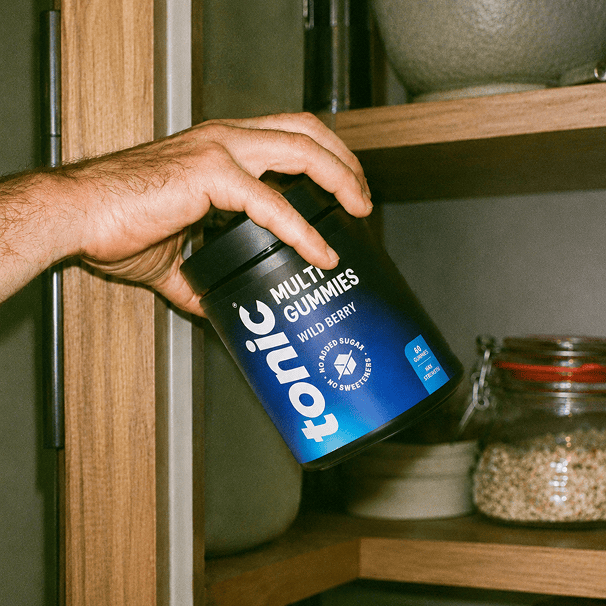
That's the thinking behind our Kids Multi Gummies. They contain 14 essential vitamins, minerals and plants – including vitamin D, C, E and zinc – to support children's growth, cognitive development and immune system as part of a varied, balanced diet.

Research conducted by OnePoll on behalf of Tonic Health among 1,000 UK parents of children aged 5–12.
This article is for informational purposes only and does not constitute medical advice. If you have concerns about your child's health or nutrition, please consult a qualified healthcare professional.



Leave a comment
All comments are moderated before being published.
This site is protected by hCaptcha and the hCaptcha Privacy Policy and Terms of Service apply.