


Which Supplement Format Actually Works?
Walk down any supplement aisle and you'll find the same nutrients in half a dozen formats; tablets, capsules, softgels, drops, effervescents, powders and gummies. It's easy to assume the choice is just about taste. In reality, format affects how easily a supplement fits into your day, how it's made and, for some nutrients, how it behaves once you've taken it.
Here's an honest look at what the research does, and doesn't, tell us.
Why Format Matters More Than Most People Realise
The most effective supplement is the one you take consistently. That sounds obvious, but it's where many routines quietly fall apart.
Swallowing is a bigger barrier than most people think. In a survey of 1,051 patients, 37.4% said they had experienced difficulty swallowing tablets and capsules, and their GPs significantly underestimated the problem. The researchers linked these difficulties to missed doses and to people altering products in ways they weren't designed for.

Format also shapes what can go into a product. A tablet can pack in a lot of ingredients, a gummy has less room and more moisture, and a drink needs to dissolve well and taste good. None of these is automatically better and each comes with their own trade-offs.
The Main Formats, and What Each One Is Actually Like
Tablets. Compact, stable and usually the cheapest per dose, which is why so many multivitamins use them. They need binders and coatings to hold together, larger ones can be hard to swallow and not all of them can be opened and sprinkled onto food.
Capsules and softgels. Often easier to swallow than tablets. Softgels hold oils, which suits fat-soluble nutrients such as vitamin D and omega-3. Many capsules are made from gelatine, so check the label if you avoid animal products.
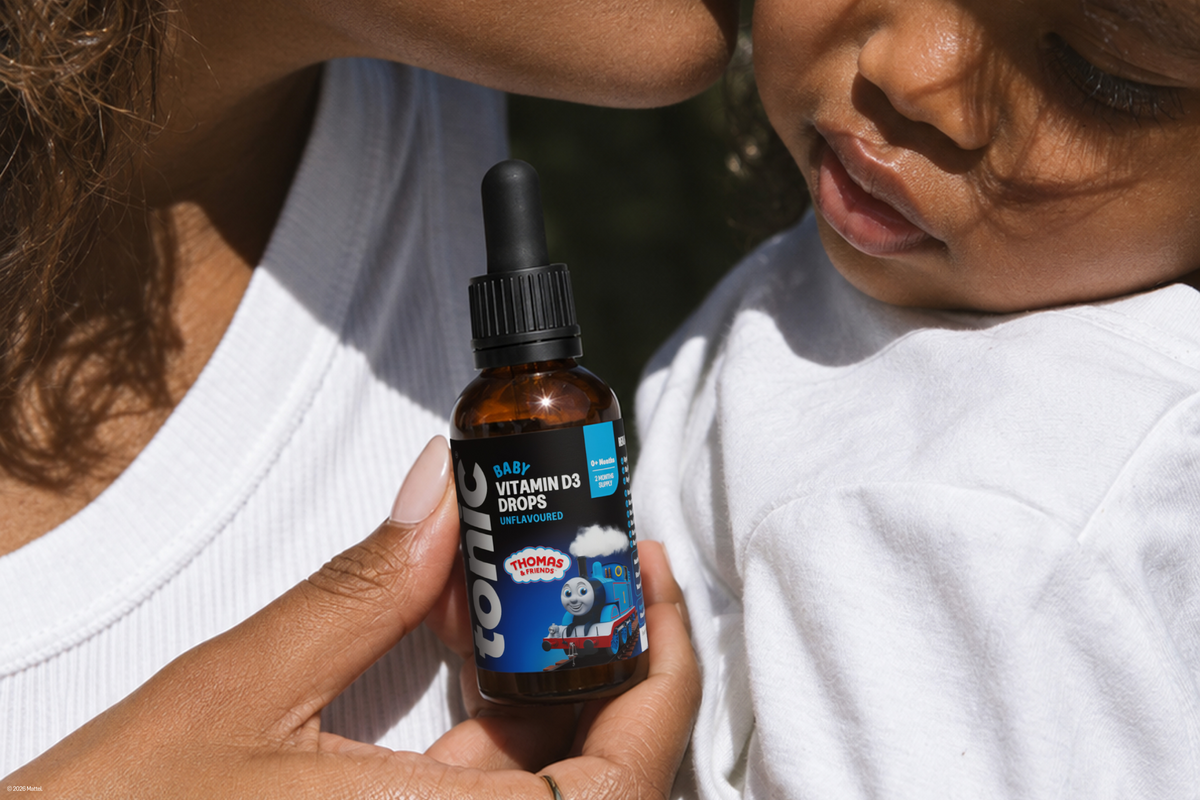
Liquids and drops. Easy to swallow and simple to adjust, which makes them useful for babies and anyone who struggles with solids. Some need to be kept in the fridge once opened, which can mean they are out of sight and out of mind.
Effervescent tablets and powders. These dissolve in water before you drink them, like Tonic's Immunity + Vitality, so the breaking-down step happens in the glass. They can carry larger doses than a gummy and add a glass of water to your day. Most use sodium bicarbonate to create the fizz, so they contain some sodium.
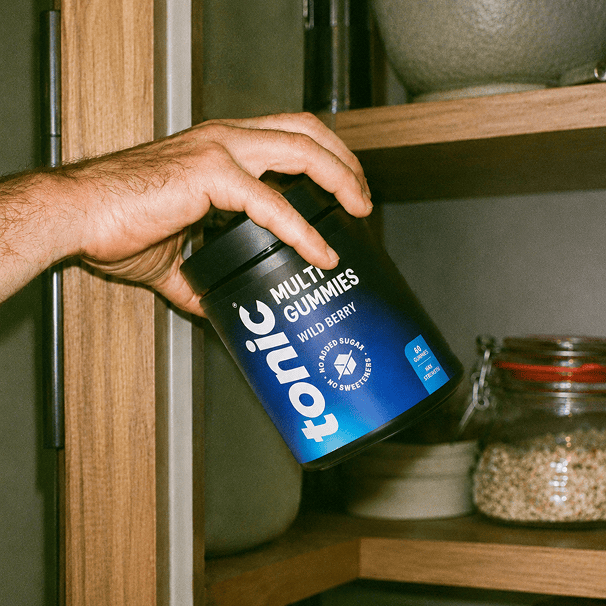
Gummies. Chewable, no water needed and pleasant to take, which is why many adults and children find them easier to stick with. The trade-offs are less space for ingredients, more care needed in manufacturing and, in many products, added sugar. Tonic's Multivitamin Gummies are made with pectin and agar rather than gelatine, so they're suitable for vegans and we never add sugar!
Do Gummies Absorb as Well as Tablets?
For the nutrients studied so far, the answer appears to be yes, provided the gummy actually contains what the label says.

Vitamin D. In a randomised crossover trial of 31 healthy adults, a single dose of vitamin D3 from gummies produced higher peak blood levels than the same dose from tablets, 47.3 ng/mL compared with 23.4 ng/mL.
Vitamin C. A randomised trial comparing around 1,000mg of vitamin C from a gummy and a caplet (smooth coated tablet) found similar absorption from both.
Vitamins E, B12 and folate. A pilot study in six adults found similar absorption of vitamins E and B12 from a gummy and a tablet multivitamin, with folate absorbed more quickly from the gummy.
So the absorption is there in a gummy as much as another, more commonly used, form. The bigger issue is label accuracy.
When researchers tested 25 melatonin gummy products sold in the US, 22 contained amounts more than 10% away from the label, ranging from 74% to 347% of the stated dose. The lesson here isn't about melatonin but more that gummies are harder to make consistently than tablets, so who makes them matters more than just the format itself.
The Sugar Question
Many gummies are made in much the same way as sweets, with sugar and glucose syrup as the base. Considering the NHS advises adults to have no more than 30g of free sugars a day, and frequent sugar intake is linked to tooth decay, a daily supplement shouldn't be quietly adding to it!

What to Check on the Label
"No added sugar". This claim can only be used if no sugars, or ingredients used for their sweetness such as honey or syrups, have been added. It isn't the same as sugar-free, because some ingredients contain sugars naturally.
"Of which sugars". The nutrition panel shows total sugars per serving, whatever their source.
Sweeteners. Products without sugar usually rely on something else for taste. Polyols such as maltitol and sorbitol can have a laxative effect in larger amounts, which is why products with more than 10% added polyols must carry a warning.
Tonic's Multivitamin Gummies contain no added sugar and no artificial sweeteners. Instead, they use fructo-oligosaccharides (FOS) from beetroot, a type of fibre with a naturally mild sweetness. The adult effervescents also carry no added sugar, with steviol glycosides from the stevia plant used for sweetness.
What to Look For, Whatever Format You Choose
In the UK, supplements are regulated as food, so there's no specific approval step that checks a product contains what it says before it goes on sale. That puts the onus on you to read the label carefully.
- Clear, complete labelling. Every nutrient listed with its amount per serving, its %NRV and ideally the form used.
- Sensible doses. More isn't always better. Vitamins A and D are stored in the body, so it's worth staying within NHS guidance if you take more than one product.
- Transparency about testing. A good brand should be able to tell you how it checks that each batch matches the label.
- No unnecessary extras. Watch for added sugar, artificial colours and fillers that serve the format rather than you.
- A format you'll actually use. A gummy or effervescent drink you take every day will do more for you than a tablet left in the cupboard.
Putting It Together
There's no single best format. Tablets are compact and economical, softgels suit oils, effervescent drinks suit people who'd rather sip than swallow, and well-made gummies appear to be absorbed comparably to tablets for the nutrients studied so far. Quality and consistency matter more than the shape your supplement comes in.
If you'd rather chew, Multivitamin Gummies cover daily essentials in two gummies, with no added sugar. If you'd prefer to drink your vitamins, Tonic's adult drinks are built around specific needs.
- Immunity + Vitality provides 11 ingredients including vitamins C and D3, and zinc which contribute to the normal function of the immune system, plus selenium, reishi and cranberry extract for antioxidants.
- Energy + Hydration combines electrolytes with vitamin C and B vitamins, which contribute to energy-yielding metabolism.
- Rest + Recover contains magnesium, which contributes to the normal functioning of the nervous system, and ashwagandha and lemon balm for calming effects.
- Focus + Mind is our focus-led drink, with Lion's Mane, Choline, B3, Rhodiola and Tyrosine, for busy working days.

Whichever you choose, read the label, pick a format you'll enjoy and give it time to become a habit.
Frequently Asked Questions
Do gummies absorb as well as tablets?
For the nutrients studied so far, yes. Small randomised trials have found similar absorption of vitamins C, E and B12 from gummies and tablets, and higher peak levels of vitamin D from gummies.
Are vitamin gummies suitable for adults?
Yes, as long as they're formulated for adults. Adult products use different doses to children's, so check the age guidance on the label. If you're pregnant, breastfeeding or taking medication, speak to your GP or pharmacist first.
How much sugar is in a typical vitamin gummy?
It varies widely by brand, so check the "of which sugars" figure on the nutrition panel. Sugar-based gummies count towards the 30g daily limit for free sugars, while no-added-sugar products, such as Tonic, use fibres or sweeteners instead.
What does "no added sugar" mean on a supplement?
It means no sugars, or ingredients used for their sweetness such as honey or syrups, have been added. It isn't the same as sugar-free, because some ingredients contain sugars naturally.
Which supplement format is best for daily use?
The one you'll take every day. If tablets are easy for you, they're a compact and economical option. If swallowing is a struggle, a well-made gummy or effervescent drink is a sensible (and often delicious) alternative.
This article is for informational purposes only and does not constitute medical advice.
About the Author
Natalie Louise Burrows is a registered nutritional therapist (BANT, CNHC) and clinic director at Integral Wellness.

Leave a comment
All comments are moderated before being published.
This site is protected by hCaptcha and the hCaptcha Privacy Policy and Terms of Service apply.