
What It Is, What Taurine Does and Why It Belongs in Your Daily Routine
Taurine is one of the most abundant amino acids in the human body. It's found in high concentrations in the brain, heart, eyes and muscles – and yet most people have never thought about it, supplemented it, or know what it does.
That's starting to change. A landmark 2023 study in Science brought taurine into mainstream conversation, and a growing body of research has positioned it as one of the more interesting molecules in the body.
Here's everything you need to know.
What Is Taurine?
Is Taurine an Amino Acid? Taurine is a conditionally essential amino acid – which means the body can produce it, but not always in sufficient quantities to meet demand. Unlike most amino acids, it isn't used to build proteins. Instead, it functions as a free-form molecule involved in a wide range of physiological processes: energy metabolism, cellular hydration, muscle function, nervous system support and more.
Where Does Taurine Come From – Food or the Body?
Both. The body synthesises taurine from cysteine and methionine using vitamin B6 as a cofactor. Endogenous production alone doesn't always meet demand, particularly during physical stress or as we get older.
Dietary sources include meat, fish and dairy – beef, chicken, salmon and scallops are among the richest. Vegans and vegetarians tend to have lower baseline levels. Supplemental taurine is vegan when synthetically produced.

Why Is Taurine in Energy Drinks? (And Why That's Not the Whole Story)
Taurine is not a stimulant. It does not raise heart rate or drive the central nervous system in the way caffeine does. Energy drink manufacturers included it because of its role in energy metabolism and muscle function – a reasonable ingredient choice, poorly communicated.
10 Things Worth Knowing About Taurine
- Taurine is one of the most abundant amino acids in the body, found in high concentrations in the brain, heart, eyes and muscles.
- Unlike most amino acids, taurine doesn't build proteins – it works as a functional molecule in its own right.
- The body produces taurine naturally, but dietary intake and supplementation help maintain levels, especially under physical stress.
- Taurine concentrations in the body decline with age – a finding highlighted in a landmark 2023 study published in Science.
- Taurine supports energy metabolism – helping cells produce and recycle energy more efficiently.
- Taurine supports hydration at a cellular level by regulating fluid and electrolyte balance inside cells.
- Taurine is found naturally in meat, fish and dairy – vegans and vegetarians may have lower baseline levels.
- When produced synthetically for supplements, taurine is entirely vegan.
- Taurine is not a stimulant. It doesn't raise heart rate or drive the central nervous system.
- Taurine and creatine work in complementary ways in the body's energy systems – which is why Tonic's Creatine + Brain includes both.
What Does Taurine Do in the Body?
Energy Metabolism
Taurine is involved in mitochondrial function — the process by which cells produce ATP. Research in Frontiers in Physiology found taurine plays a role in maintaining the efficiency of the electron transport chain and supports the conditions for cellular energy generation.
Muscle Function and Recovery
Taurine acts as a regulator of calcium signalling within muscle cells, relevant to contraction force and recovery. A 2021 review by Kurtz et al. in the Journal of the International Society of Sports Nutrition found taurine was associated with reduced muscle damage markers and improved recovery following exercise.
Hydration and Electrolyte Balance
Taurine is an osmoregulator – it helps cells maintain the right balance of fluids and electrolytes. In muscle cells, this supports water retention at a cellular level, relevant to both performance and recovery.
Brain and Nervous System Support
The brain contains some of the highest taurine concentrations in the body. Taurine has been shown to act as a modulator of GABA receptors and may support a calm, focused state. Research by Ripps and Shen in Molecular Vision provides a comprehensive overview of taurine's neurological role.
Heart and Vascular Health
The heart muscle is particularly rich in taurine. It contributes to calcium handling in cardiac cells and electrolyte balance. A review in Experimental and Clinical Cardiology found taurine associated with several measures of cardiovascular health.

Taurine and Exercise: What Does the Research Show?
Taurine and Physical Performance
A 2018 study by Waldron et al. in Amino Acids found taurine supplementation was associated with improved time to exhaustion and reduced muscle damage during endurance exercise. The mechanisms include calcium regulation, antioxidant activity and cellular hydration.
Taurine and Recovery Between Sessions
Taurine's antioxidant properties and calcium-regulatory role are associated with reduced markers of muscle damage – the body may be better positioned for subsequent training sessions.
Why Taurine and Creatine Work Well Together
Creatine replenishes phosphocreatine for rapid, explosive energy. Taurine supports mitochondrial energy production, hydration and recovery. They complement rather than duplicate each other. Creatine addresses the initial burst; taurine supports the conditions for sustained performance.

Taurine and Longevity: What the 2023 Science Study Found
Singh et al. published research in Science in 2023 finding that taurine concentrations in the blood declined significantly with age across multiple species. In animal models, taurine supplementation extended healthy lifespan and improved muscle strength, bone density and immune function. In humans, the study was observational. This is emerging and compelling research, not a proven human longevity intervention – but the findings add meaningful context.
Does Taurine Decline With Age – and Does That Matter?
Yes. The Singh et al. study found taurine blood levels in 60-year-olds were roughly 80% lower than in 5-year-olds. Skeletal muscle taurine content also decreases with age. Taurine's roles in energy metabolism, muscle function and neurological support are all relevant to healthy ageing.

Is Taurine Bad for You? Separating the Facts From the Energy Drink Reputation
Why Taurine Got a Bad Reputation
Taurine's association with energy drinks is the primary driver of the safety question. Concerns about those products – high caffeine, sugar, additives – attached themselves to taurine by proximity.
What the Research Actually Says About Taurine Safety
Taurine has a well-established safety profile. The European Food Safety Authority (EFSA) identified no safety concerns at typical supplemental doses. Taurine's reputation has been shaped by the company it keeps. In isolation, the research tells a very different story.
The Real Problem With Energy Drinks (It's Not the Taurine)
A standard energy drink can contain 80–160mg of caffeine, 25g+ of sugar or artificial sweeteners, and a range of additives. The question worth asking isn't "is taurine safe?" – it's "what is the taurine in?".
How Creatine + Brain Is Different
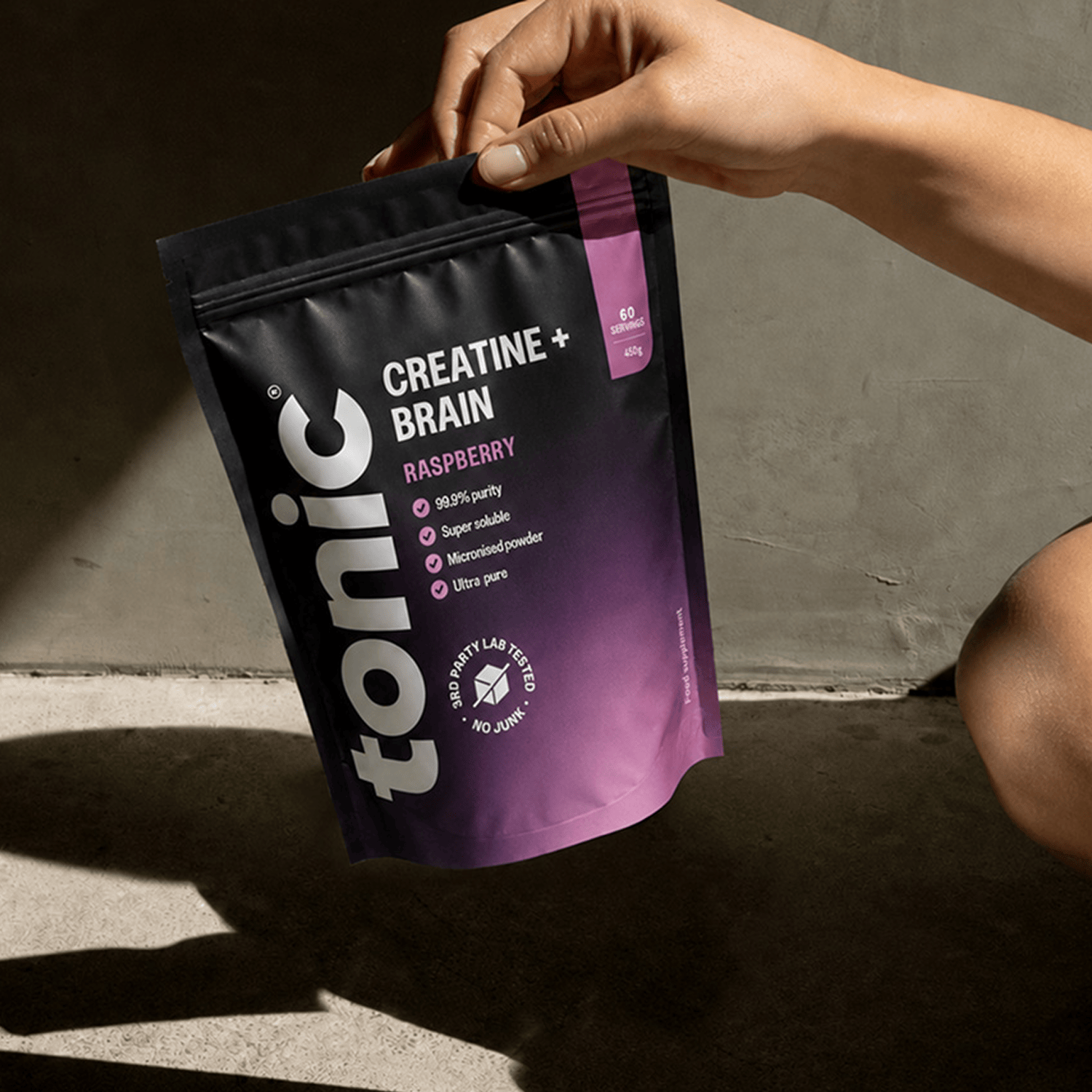
Tonic's Creatine + Brain delivers 1,000mg taurine per maintenance dose. No caffeine. No added sugar. No artificial sweeteners. No fillers. Third-party lab tested.
What Most Creatine Supplements Leave Out – and Why It Matters
Most creatine supplements are single-ingredient products. That isn't inherently wrong – creatine monohydrate works. But it leaves gaps.
Taurine and creatine share energy pathways. Creatine powers the phosphocreatine-driven burst; taurine supports mitochondrial conditions, recovery and hydration between efforts.
Taurine declines with age – as does creatine. A formula that addresses both in one daily drink is more complete than one that addresses neither.
Clean taurine supplementation is rare. Outside energy drinks, taurine is seldom found in supplement products. Creatine + Brain includes it in a clean, tested formula with no accompanying additives.
Taurine in Creatine + Brain: Why We Included It
1,000mg Taurine Per Maintenance Dose
Each maintenance serving (7.5g) delivers 1,000mg taurine – rising to 2,000mg at the 15g boost dose. These doses align with the research on taurine and exercise performance.
Paired With 5,000mg Creatine Monohydrate and 500mcg Biotin
Each serving also contains 5,000mg of 99.9% pure micronised creatine monohydrate and 500mcg of biotin (vitamin B7), which contributes to normal psychological function. Physical performance, energy metabolism and cognitive function aren't separate systems.
No Fillers, No Artificial Sweeteners, Third-Party Tested
Vegan-friendly, no added sugar, no artificial sweeteners, no bulking agents. Third-party lab tested. Available in Raspberry and Tropical.

How to Take Taurine: Dose, Timing and Consistency
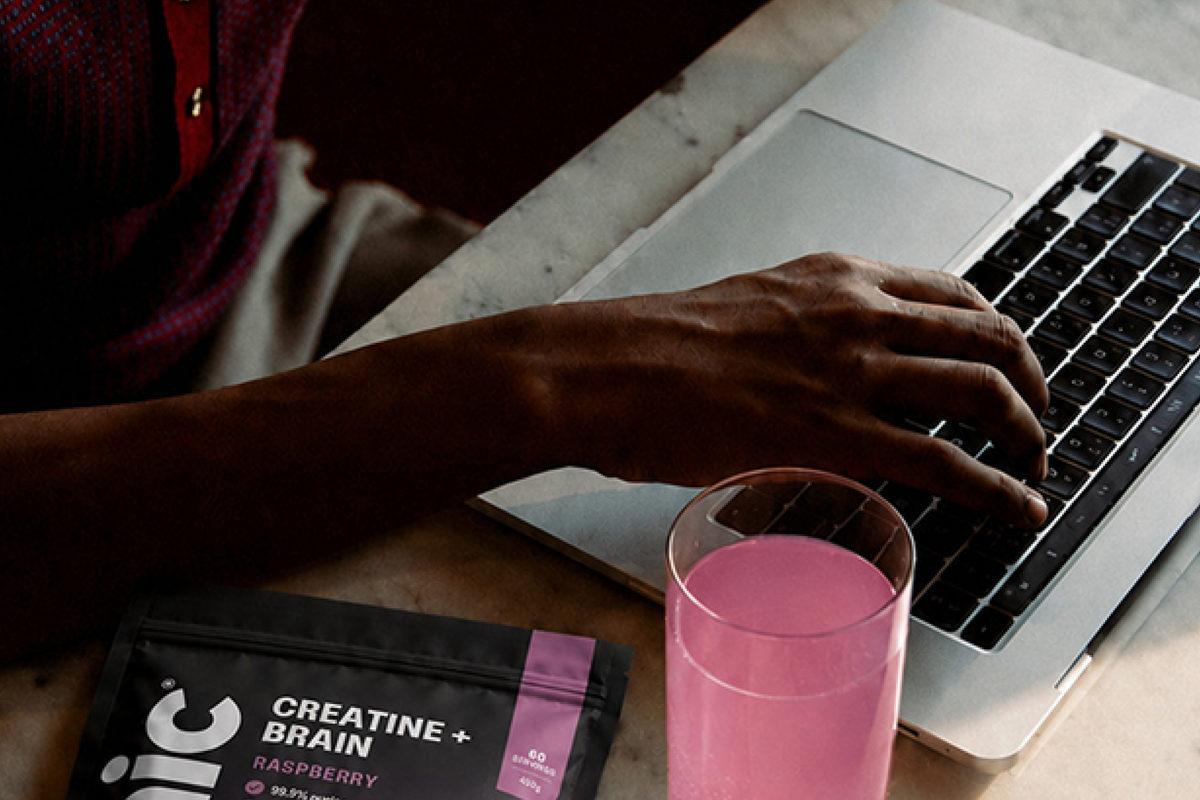
Maintenance dose: One heaped teaspoon (7.5g) daily with water or a cold drink. Use the 15g boost dose for the first 5–7 days to build creatine stores faster, then return to maintenance.
Timing: Taurine doesn't require specific timing. Consistency matters more than the clock. Daily supplementation is the approach supported by the research.
Is Taurine Safe? What You Need to Know
For healthy adults, yes. Taurine is naturally produced by the body, found in common foods, and reviewed by EFSA with no safety concerns at typical doses. It is not a stimulant.
Those who are pregnant, breastfeeding or managing a health condition should consult a healthcare professional before supplementing. Not suitable for children under 9.
Taurine FAQ
What is taurine and what does it do?
Taurine is a conditionally essential amino acid found in the body and in meat, fish and dairy. It supports energy metabolism, muscle function, cellular hydration and neurological health. Unlike most amino acids, it functions as a free-form molecule rather than a protein building block.
Is taurine a stimulant?
No. Taurine does not raise heart rate or drive the central nervous system. Its energy-supporting role is metabolic – it helps cells produce and manage energy more efficiently.
Why is taurine in energy drinks?
Energy drink manufacturers included taurine because of its role in energy metabolism. The concerns around those products relate to their caffeine and sugar content, not the taurine.
Is taurine the same as caffeine?
No. Caffeine is a central nervous system stimulant; taurine is an amino acid involved in metabolic and physiological function.
Is taurine bad for you?
Taurine has a well-established safety record. It's produced naturally by the body and reviewed by EFSA with no safety concerns at typical supplemental doses.
Can I take taurine every day?
Yes. Daily supplementation is consistent with the research. Its benefits are cumulative rather than acute.
What foods are high in taurine?
Beef, chicken, salmon, tuna, scallops and dairy. Plant foods contain little to no taurine – vegans and vegetarians may benefit from supplementation.
Does taurine decline with age?
Yes. The 2023 Singh et al. Science study found taurine concentrations may be up to 80% lower in older adults compared to early life.
What is the difference between taurine and creatine?
Creatine fuels rapid, explosive energy via phosphocreatine. Taurine supports mitochondrial energy production, recovery, cellular hydration and nervous system function. They're complementary.
Can I take taurine and creatine together?
Yes. They work through different mechanisms with no known interaction – which is why Creatine + Brain includes both in one drink.
How much taurine is in Creatine + Brain?
1,000mg per maintenance dose (7.5g), rising to 2,000mg at the boost dose (15g).
Is Creatine + Brain suitable for vegans?
Yes. Vegan-friendly, no animal-derived ingredients, no added sugar, no artificial sweeteners.
Who should not take taurine?
Pregnant, breastfeeding or medically supervised individuals should consult a healthcare professional before use.
This article is for informational purposes only and does not constitute medical advice. Consult a qualified healthcare professional before changing your supplement routine if you are taking medication, managing a health condition, or are pregnant or breastfeeding.
References
- Chen C, et al. Frontiers in Physiology. 2021. https://www.ncbi.nlm.nih.gov/pmc/articles/PMC8419774/
- Kurtz JA, et al. Journal of the International Society of Sports Nutrition. 2021. https://www.ncbi.nlm.nih.gov/pmc/articles/PMC8152067/
- Ripps H, Shen W. Molecular Vision. 2012. https://www.ncbi.nlm.nih.gov/pmc/articles/PMC3501277/
- Xu YJ, et al. Experimental and Clinical Cardiology. 2008. https://www.ncbi.nlm.nih.gov/pmc/articles/PMC2586397/
- Waldron M, et al. Amino Acids. 2018. https://pubmed.ncbi.nlm.nih.gov/29549523/
- Singh P, et al. Science. 2023. https://www.ncbi.nlm.nih.gov/pmc/articles/PMC10630957/
- EFSA Panel on Food Additives. EFSA Journal. 2009. https://www.efsa.europa.eu/en/efsajournal/pub/935



Leave a comment
All comments are moderated before being published.
This site is protected by hCaptcha and the hCaptcha Privacy Policy and Terms of Service apply.