

September has a way of resetting everything, doesn't it? New shoes, new pencil cases and, if you're anything like the parents I work with, a fresh determination to get lunchboxes and dinner plates back on track after a summer of ice creams and holiday snacking.
Fibre for kids rarely makes the headlines the way a nutrient like vitamin D does, yet it's one of the easiest gaps to close without a single argument at the table. You don't need your child to eat a bowl of dry bran to get their daily intake. Just a few small, genuinely sneaky swaps woven into meals they already enjoy can make a real difference. No lecturing or pleading required.
Why Fibre Matters for Kids (and Why Most Aren't Getting Enough)
Fibre is the part of plant food our bodies can't fully break down. Instead, it travels through to support regular, comfortable digestion, and it also feeds the trillions of bacteria living in the gut. For children specifically, adequate fibre is associated with more comfortable, regular bowel movements and healthy satiety. For a deeper look at what fibre actually does in the body, read our Fibre Deep Dive.
How Much Fibre Does My Child Actually Need?
From NHS guidance: Ages 2–5 around 15g/day. Ages 5–11 around 20g/day. Ages 11–16 around 25g/day. Ages 16–18 around 30g/day.
1. Blend Veg Into Sauces and Bakes They Already Love
Blitz carrot, courgette, red pepper or butternut squash into a tomato-based pasta sauce or bolognese. Grated courgette or carrot works well in muffins and pancake batter too.
2. Make the Wholegrain Swap
Half and half is the easiest entry point – half wholewheat and half regular pasta, half brown and half white rice. For breakfast, look for cereals with at least 3g of fibre per serving and less than 10g of sugar.

3. Lean on Fruit-Based Snacks
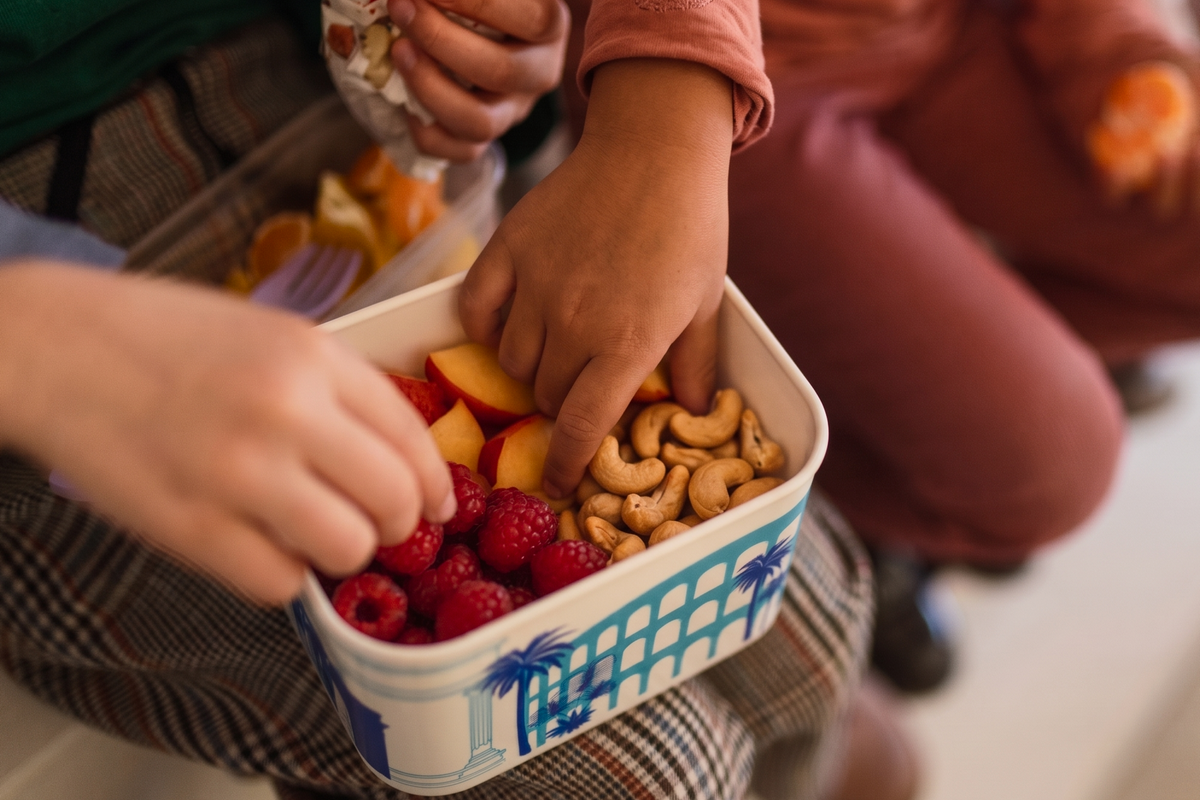
- An apple or pear, skin on
- Dried apricots or a couple of dates alongside a cheese portion
- Berries in natural yoghurt
- A banana with a spoon of seed butter
- A homemade oat bran and flaxseed muffin
4. Sneak Beans and Lentils Into Familiar Meals
Red lentils cook down and blend into a bolognese or shepherd's pie almost invisibly. A simple hummus or mashed butter bean dip works well with breadsticks, veg sticks or oatcakes.
5. Whizz Up a Fibre-Rich Smoothie
Blend a banana, frozen berries, a tablespoon of oats, nut butter or natural yoghurt, and milk. The oats and fruit skin contribute fibre; the yoghurt or nut butter slows things down so it isn't just a sugar hit.

A Note on Fussy Eating: No Guilt, No Pressure
If your child is a fussy eater, there is nothing to feel bad about. Selective eating is extremely common in childhood and usually eases with time, patience and repeated low-pressure exposure to new foods.
Building Fibre Into Your Family's Wider Healthy Routine
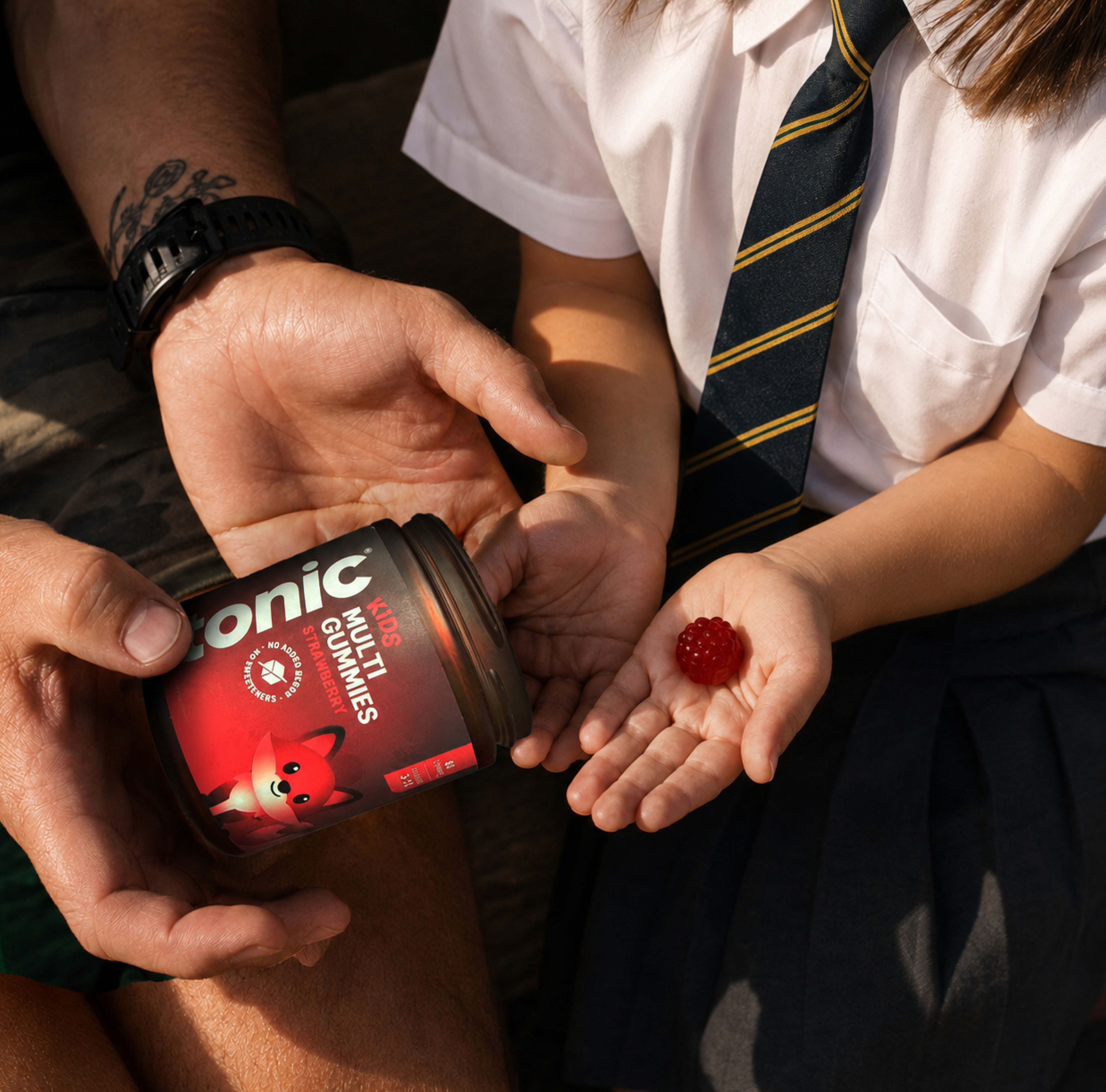
Tonic's Kids Calm Gummies, with magnesium to support a normal nervous system alongside ashwagandha and lemon balm, are designed to fit into that kind of evening routine as the new school term settles in.

If you'd like to understand more of the science behind fibre, read our Fibre Deep Dive: What It Really Does for Your Gut, Inflammation and Even Microplastics. And if lunchbox inspiration is still your thing, we've written the lunchbox and snack guide you need.
For now though, pick one of the five swaps above and try it this week.
This article is for informational purposes only and does not constitute medical advice. If you have concerns about your child's digestion or nutrition, please consult a qualified healthcare professional.



Leave a comment
All comments are moderated before being published.
This site is protected by hCaptcha and the hCaptcha Privacy Policy and Terms of Service apply.