


How to Stay Healthy During the Back-to-School Period
The last few weeks of August have a familiar rhythm for parents. Uniforms get ordered, shoes get checked for growing feet, and the stationery aisle gets a look in. But amongst all the back-to-school tasks, you're still quietly wondering how to get everyone through the first few weeks of term without catching everything going round.
It's a fair thought, and a very normal one. A handful of simple, arguably unglamorous habits – sleep, food, hygiene, fresh air and a few key nutrients – genuinely do support your child's immune system through this seasonal shift. None of it needs to be complicated, and equally none of it should be considered a quick fix.

Why Kids Seem to Get Ill More Often When School Starts Back
If it feels like your child goes from robust summer health to a stream of sniffles within days of term starting, you're not imagining it. The NHS notes that children typically have 5 to 8 colds a year, and this climbs once they're mixing with classmates again, with a disproportionate number clustering around September.
Classrooms bring children into close, indoor contact, sharing air and surfaces in a way summer holidays don't. Add shorter daylight hours, cooler weather that pushes everyone back indoors, and new routines – bedtimes, packed lunches, clubs – and there's a lot for immune systems to contend with.
None of this means illness is inevitable, or that something's wrong with your child. It's a predictable seasonal pattern you can support your way through with consistent habits.
10 Practical Immunity Tips for the Back-to-School Period
1. Prioritise a Consistent Sleep Routine
Sleep is where much of children's immune resilience is built – the body produces and regulates immune signalling proteins overnight, and disrupted sleep is linked to higher susceptibility to infection. The Sleep Foundation recommends 10 to 13 hours for preschoolers, 9 to 12 hours for school-age children, and 8 to 10 hours for teens. A consistent bedtime and wake time, even at weekends, supports this more than almost anything else. Tonic's Kids Calm Gummies, with magnesium, chamomile and lemon balm, can support a calmer bedtime routine for children who find it hard to switch off.
2. Ease Back Into School Bedtimes Gradually
If summer has meant later nights, don't leave the fix until the night before term starts. Bring bedtime forward by 15 minutes every few days beforehand, so your child's body clock can adjust gently. A sudden shift the night before often means a groggy, run-down first week – right when their immune system needs to be at its best.

3. Fill Their Plate With Colourful, Nutrient-Rich Foods
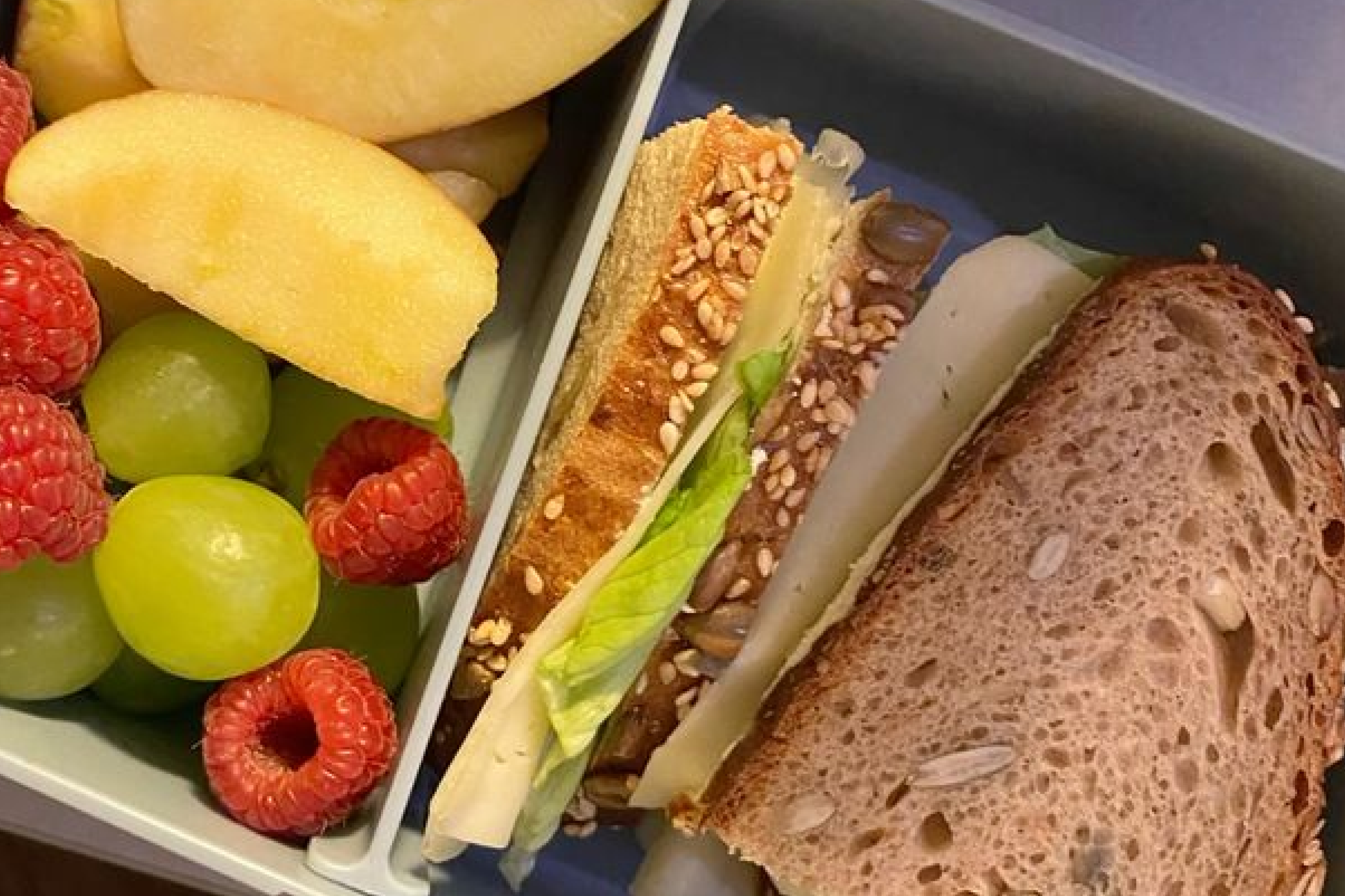
A varied diet rich in fruit and vegetables provides immune cells with the vitamins, minerals and antioxidants they need to function properly. Aim for a mix of colours across the week – red berries, orange sweet potato, yellow peppers, purple plums and leafy greens each offer something slightly different. Around 91% of UK children don't meet their recommended daily fruit and vegetable intake, so even small additions can help – an extra piece of fruit at breakfast, or one more vegetable in a favourite sauce.
4. Make Hand washing and Hygiene a Habit
Simple hygiene remains one of the most effective ways to reduce the spread of classroom coughs and colds. Regular handwashing – especially before eating and after school – and coughing or sneezing into your elbow genuinely reduces transmission. Making it a normal, unremarkable part of the routine tends to get better buy-in from children. And remember: children watch and mirror what adults do more than we think.
5. Get Outside for Fresh Air and Daily Movement
Moderate, regular movement supports blood circulation and helps regulate stress – both of which matter for immune function. Children don't need formal exercise for this to count; a walk to school, playground time or an after-school kickabout all contribute. Fresh air also helps dilute the indoor germs that build up once everyone's back inside as the weather turns.
6. Top Up Vitamin D as Daylight Hours Shorten
From around October, UK sunlight isn't strong enough for the body to make adequate vitamin D, even on bright days. The NHS advises a daily 10 microgram (400 IU) supplement for children aged 1 to 4 all year round, and one during autumn and winter for children over 4. Vitamin D plays a regulatory role in immune function, and low levels are associated with greater susceptibility to respiratory infections. If your child has an existing health condition, check the right dose with your GP or health visitor.
7. Support Their Body With Key Immune Nutrients
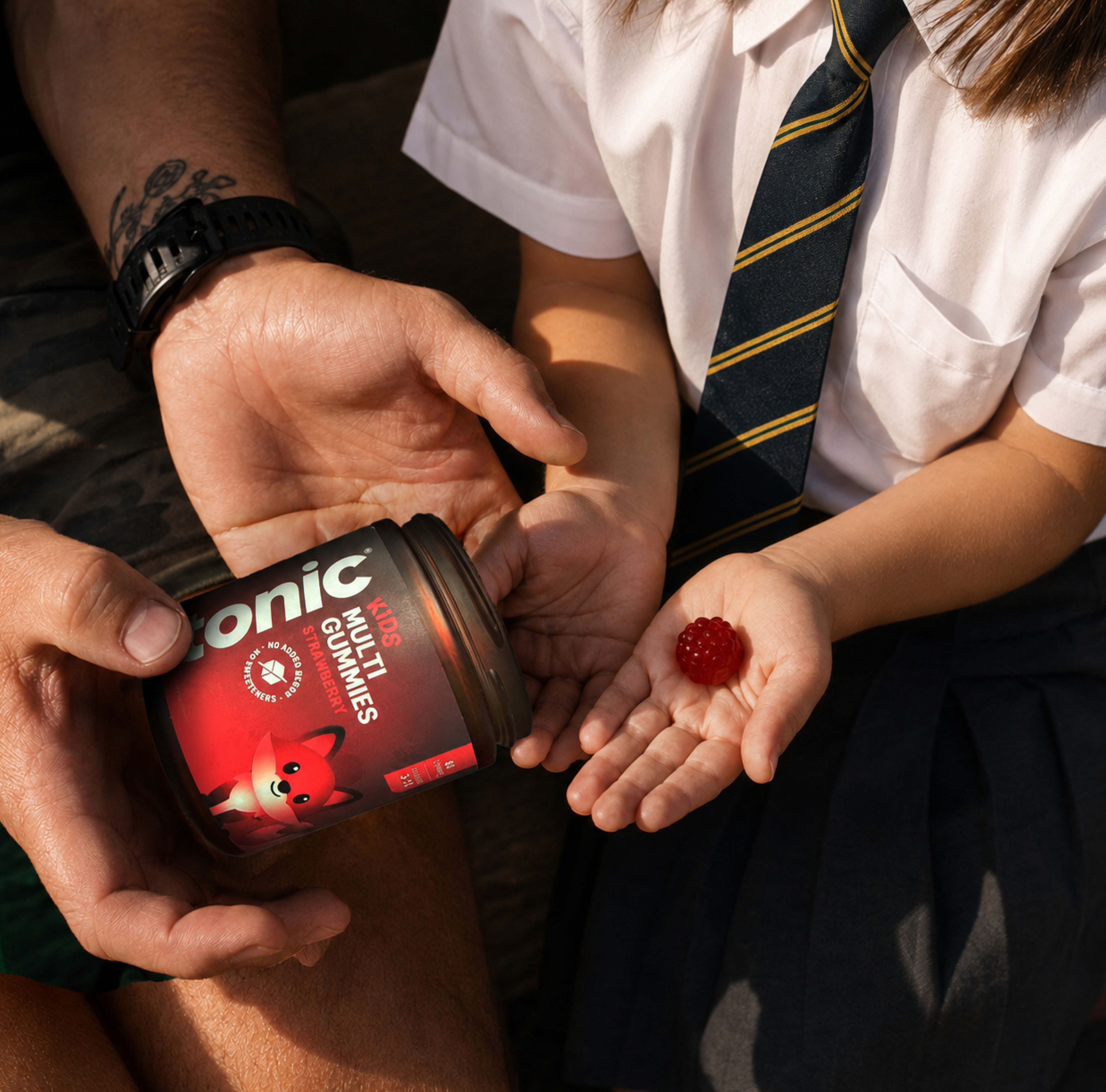
Alongside vitamin D, vitamin C, zinc and selenium each contribute to normal immune function – supporting white blood cell activity and antioxidant defence. A varied diet gives most children a good baseline. Where fussy eating or busy mornings make that harder, an age-appropriate supplement such as Tonic's Kids Immunity Gummies can become part of a practical daily routine.
8. Manage New Term Stress and Routine Changes
New teachers, new classrooms, or simply swapping unstructured summer days for a fixed timetable can be genuinely stressful for children – and prolonged stress affects immune regulation. Give your child space to talk about what's on their mind, keep some screen-free downtime in the evenings, and don't underestimate the value of simply being available. A calmer nervous system is part of a well-supported immune system.
9. Stay on Top of Hydration
Water supports most bodily processes, including the mucous membranes that form a first line of defence against airborne bugs. As the weather cools, children often drink less without meaning to, since thirst is less obvious than in summer. Keep a water bottle in their school bag and normalise regular sips through the day, alongside meals and snacks.
10. Keep an Eye on Warning Signs and Know When to See a GP
Most back-to-school illnesses are mild – a cough, a cold, a day or two off school. But it's worth knowing when to seek advice:
- A high temperature that won't settle
- Breathing difficulties
- Persistent vomiting
- Infections that feel frequent, severe or unusual
- An illness that isn't improving after several days
These are all reasons to contact your GP or visit your local pharmacist for advice.
Immune-Supporting Nutrients to Know About
Vitamin C, Vitamin D3, Zinc and Selenium
- Vitamin C is a water-soluble antioxidant that supports white blood cell function and helps protect cells from oxidative stress. Found in kiwis, citrus fruit, berries, peppers and leafy greens.
- Vitamin D3 helps regulate immune responses and supports bone health. Sunlight, eggs and oily fish are natural sources, but food alone doesn't cover daily needs – and from October to March, sunlight in the UK isn't sufficient to generate vitamin D through the skin.
- Zinc supports the development and function of immune cells, as well as wound healing and normal growth. Found in seafood, meat, beans, nuts and seeds.
- Selenium contributes to antioxidant defence and immune balance. Found in fish, eggs, mushrooms, Brazil nuts and wholegrains.
None work in isolation, so including them as part of a varied diet is key. Supplementation can help where intake is genuinely low – especially where certain food groups are avoided or taste preferences influence meals.

Building Healthy Routines as a Family
Supporting your child's immunity works best when it isn't a separate project but simply part of how the household runs. Cooking meals with a good mix of colour, keeping regular sleep and wake times, building in outdoor time together, and modelling good hygiene yourself all set the tone. Children pick up on routine and example far more than instruction – so the more naturally these habits sit within everyday life, the more they'll stick.
FAQs About Kids' Immunity and Back-to-School Illness
Why do kids get more colds when school starts back?
Close contact in classrooms, cooler weather and reduced daylight combine in September. It's a normal pattern, not a cause for concern – and the best way to manage it is to feel prepared with your routine, meals and any supplements needed to fill important gaps.
Can supplements stop my child getting ill?
No supplement can guarantee that. Nutrients like vitamin C, vitamin D3, zinc and selenium contribute to normal immune function as part of a varied diet, alongside good sleep, hygiene and movement.
How much sleep does my child need for school?
Roughly 10 to 13 hours for preschoolers, 9 to 12 hours for school-age children, and 8 to 10 hours for teenagers, according to the Sleep Foundation.
Should I give my child a vitamin D supplement?
NHS guidance recommends 8.5–10 mcg from birth to 1 year; 10 mcg daily for children aged 1 to 4 year-round; and for over-4s during autumn and winter. Check with your GP or health visitor if unsure.
About the Author
Natalie Louise Burrows is a registered nutritional therapist (BANT, CNHC) and clinic director at Integral Wellness – a nutrition and health clinic specialising in cardio-metabolic health. Along with her clinic team of nutritionists, they help men and women regain their energy, control their cravings and avoid and reverse type 2 diabetes. They also address health conditions such as high blood pressure, high cholesterol, insulin resistance, fatty liver and heart disease, and weight challenges.
This article is for informational purposes only and does not constitute medical advice. If you have concerns about your child's health or nutrition, please consult a qualified healthcare professional.


Leave a comment
All comments are moderated before being published.
This site is protected by hCaptcha and the hCaptcha Privacy Policy and Terms of Service apply.