

We talk about "rewiring" the brain as if it's something reserved for a specific time in your life or for an event you need to overcome. But your brain rewires itself constantly – in response to what you learn, how you sleep, and, less talked about, what you eat.
Food won't make you sharper overnight, and there's no single miracle ingredient. But credible research links certain whole foods to the processes that keep your brain adaptable, alert and resilient over time. Here's what the evidence says and how to put it on your plate without overhauling your diet.
What Does It Actually Mean to "Rewire" Your Brain?
A Quick Explainer on Neuroplasticity
Neuroplasticity is your brain's ability to reorganise itself, forming new neural connections throughout life. It's how you learn a skill, recover from injury, or build a habit. Far from being fixed after childhood, the brain builds mental resilience well into older age, strengthened through challenge and new experiences.
Why Nutrition Plays a Role in How the Brain Adapts
Rewiring takes raw materials – fats to build cell membranes, amino acids to make neurotransmitters, and polyphenols to manage oxidative stress. The brain uses around 20% of the body's daily energy despite making up only about 2% of its weight, so what you eat has a direct bearing on how well it functions.
Nutrition doesn't drive plasticity alone – sleep and movement matter too – but without the right nutrients, the brain has less to build with.

Oily Fish – The Original Brain Food
Why Omega-3s Matter for Brain Cell Structure
Oily fish keeps coming up in brain health research for good reason. The omega-3 fats it contains – EPA and DHA – are structural components of brain cell membranes, and the brain is roughly 60% fat. Harvard Health notes that higher omega-3 intake is associated with lower blood levels of beta-amyloid, the protein associated with Alzheimer's disease, while a 2017 study found that higher omega-3 levels were associated with increased brain blood flow and better cognition.
Salmon, mackerel, sardines and herring are good omega-3 options and generally lower in mercury than larger fish like tuna. Two portions of fish a week is the current UK recommendation. However, a recent study found that 2 portions of fish per week did not affect certain blood markers linked to inflammation and cardiovascular health, whereas 1g of EPA per day from a fish oil supplement did improve these markers.
According to the latest National Diet and Nutrition Survey, 86% of adults and 94% of children do not eat fish at all – which raises a fair question about whether most people are getting enough omega-3 from diet alone.
To keep it simple:
- Omega-3s are important for brain development and overall health
- EPA helps resolve inflammation; DHA is a structural building block for brain and eye cells
- Oily fish provides the active EPA and DHA forms directly
- Plant foods (walnuts, flaxseed, chia seeds) provide ALA, which still needs converting in the body
- If fish isn't a regular part of your diet, supplementation is worth considering
As always, if you're taking medication or have a health condition, check with a healthcare professional before supplementing.
Leafy Greens for Long-Term Cognitive Support
Kale, spinach and other leafy greens are rich in vitamin K, lutein, folate and beta-carotene. In one notable study, older adults who ate one to two servings of leafy greens daily showed better memory and thinking skills over five years than those who rarely did – a difference roughly equivalent to a brain functioning 11 years younger.
The benefit shows up with consistency – a daily side of greens rather than an occasional salad. One of the easiest wins in this list.

Berries and Brain Plasticity
What the Research Says About Flavonoids and Memory
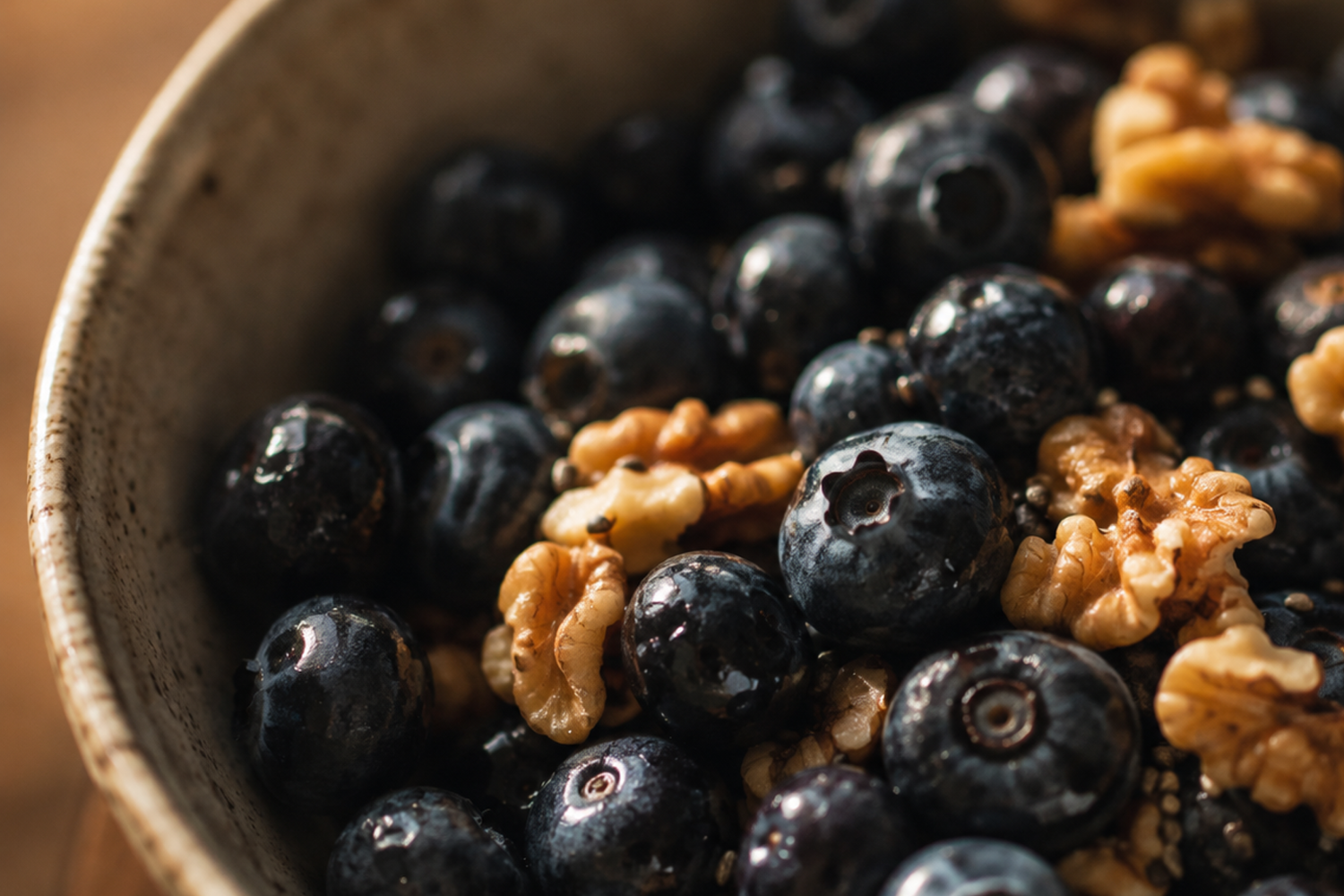
Berries owe their brain benefits largely to flavonoids – the plant compounds behind their deep colours. A Harvard study found that women who ate two or more servings of strawberries and blueberries a week delayed measurable memory decline by up to 2.5 years.
A 2014 review suggests flavonoid-rich berries may improve communication between brain cells, reduce inflammation, and support the plasticity that helps cells form new connections. Blueberries, blackberries, strawberries and blackcurrants are all good choices – fresh when in season, or frozen year-round.

Nuts and Seeds – Small but Mighty for Focus
Nuts and seeds bring healthy fats and vitamin E, an antioxidant that helps protect brain cells from oxidative stress. A 2014 study linked higher nut intake to improved brain function in older adults, and walnuts stand out for their alpha-linolenic acid – a plant-based omega-3 fatty acid.
A small daily handful of plain walnuts, almonds or a tablespoon of sunflower seeds is an easy addition that doesn't need its own meal plan.
Fermented Foods and the Gut-Brain Connection
How Gut Health Links to Mood and Mental Clarity
The gut and brain are in constant conversation, largely via the vagus nerve and the bloodstream. A 2024 review found that fermented foods – including kimchi, sauerkraut, kefir, miso, tempeh and yoghurt – may support cognitive performance by influencing the gut-brain axis via gut bacterial diversity, according to the underlying research.
Evidence is stronger for mood and gut health than memory specifically, but the direction is encouraging. A daily spoonful of live yoghurt, kefir or sauerkraut helps build that diversity.
Dark Chocolate – Can a Treat Really Support Your Brain?
Good news – but with a caveat. Cocoa contains flavonoids that may support blood flow and neuron growth in brain regions tied to memory and learning. A 2018 study using brain imaging found that dark chocolate with at least 70% cocoa may improve markers of brain plasticity.
The caveat: the cocoa percentage matters, not the amount. A square or two of good quality dark chocolate is a genuine, evidence-supported food choice – but it's not a health food to eat in excess.
Turmeric and Curcumin – The Golden Spice for Cognitive Support
Curcumin, the active compound in turmeric, has some striking human data behind it. In a randomised, placebo-controlled study, 40 adults aged 50 to 90 with mild memory complaints took either a placebo or 90mg of a bioavailable curcumin supplement twice daily for 18 months. Those taking curcumin improved by 28% on memory tests, showed mild improvements in mood, and had lower levels of amyloid and tau on brain scans.
This trial used a specially formulated, highly absorbable supplement – not turmeric as it appears in a curry. Curcumin from food alone is poorly absorbed, which is why it's often paired with black pepper or fat. Cooking with turmeric is still worthwhile, but a therapeutic dose is supplement territory.
Important note: turmeric interacts with a wide range of medications. If you're taking prescription medication, a turmeric supplement is likely out of bounds – stick to the cupboard spice and enjoy it in food.
Eggs and Choline – An Underrated Brain Nutrient
Eggs are genuinely underrated. They are one of the richest sources of choline, which supports memory and mood regulation, alongside B6, B12 and folate – vitamins that research suggests may help prevent brain shrinkage and delay cognitive decline.
Two eggs a day go a long way towards meeting choline needs – and they're one of the easiest brain foods to build into breakfast. (Pair them with additional protein sources to meet your overall needs for that macronutrient.)
Building a Brain-Healthy Plate – Practical Tips for Every Day
A realistic weekly rhythm might look like:
- Oily fish a few times a week, tinned or fresh
- A daily handful of berries, fresh or frozen
- Leafy greens every day, even a small side portion
- A spoonful of live yoghurt, kefir or sauerkraut a few times a week
- A small handful of nuts or seeds as a daily snack
- Turmeric worked into cooking, paired with black pepper or oil
- Eggs a few mornings a week
Variety matters more than any single food. A diet built around whole foods, fibre and colour – in the spirit of the Mediterranean and MIND diets – does more for long-term cognitive function than chasing one ingredient.
When Food Isn't Enough – Where Supplements Can Help
Food should always be the foundation. But busy schedules mean most of us don't hit these targets every week, and that's where a well-formulated supplement can help – not as a shortcut, but as a way of covering the gaps a realistic diet leaves behind.
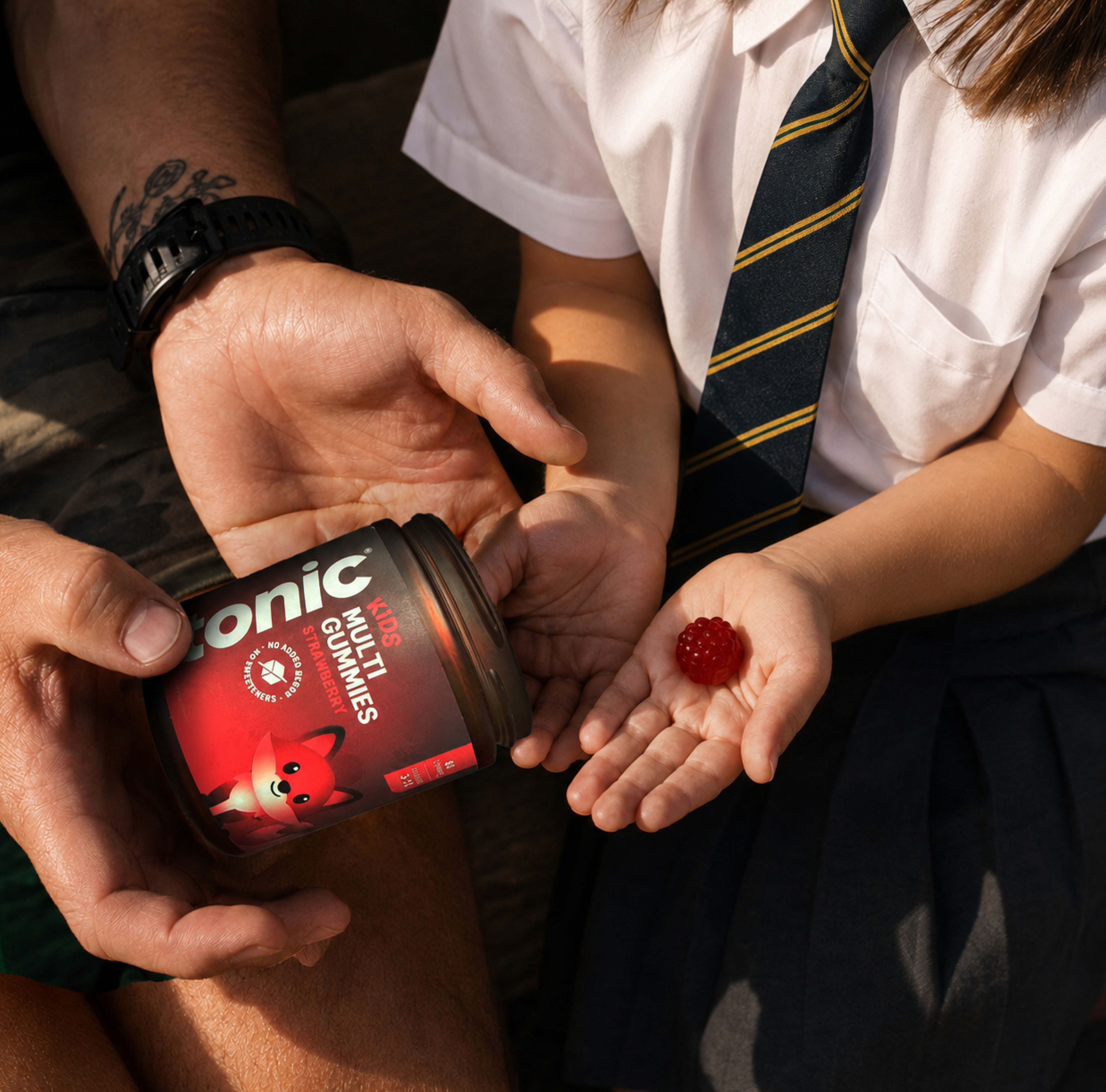
Tonic Focus + Mind brings together evidence-based cognitive-support ingredients for days when food alone isn't enough. Tonic Kids Omega-3 helps provide the essential DHA and EPA for children's brain development. And for a wider range of nutrients, Tonic's Multivitamin Gummies for adults provide vitamins, minerals and plant compounds with no added sugar.

FAQs on Foods and Brain Health
What foods are good for brain fog?
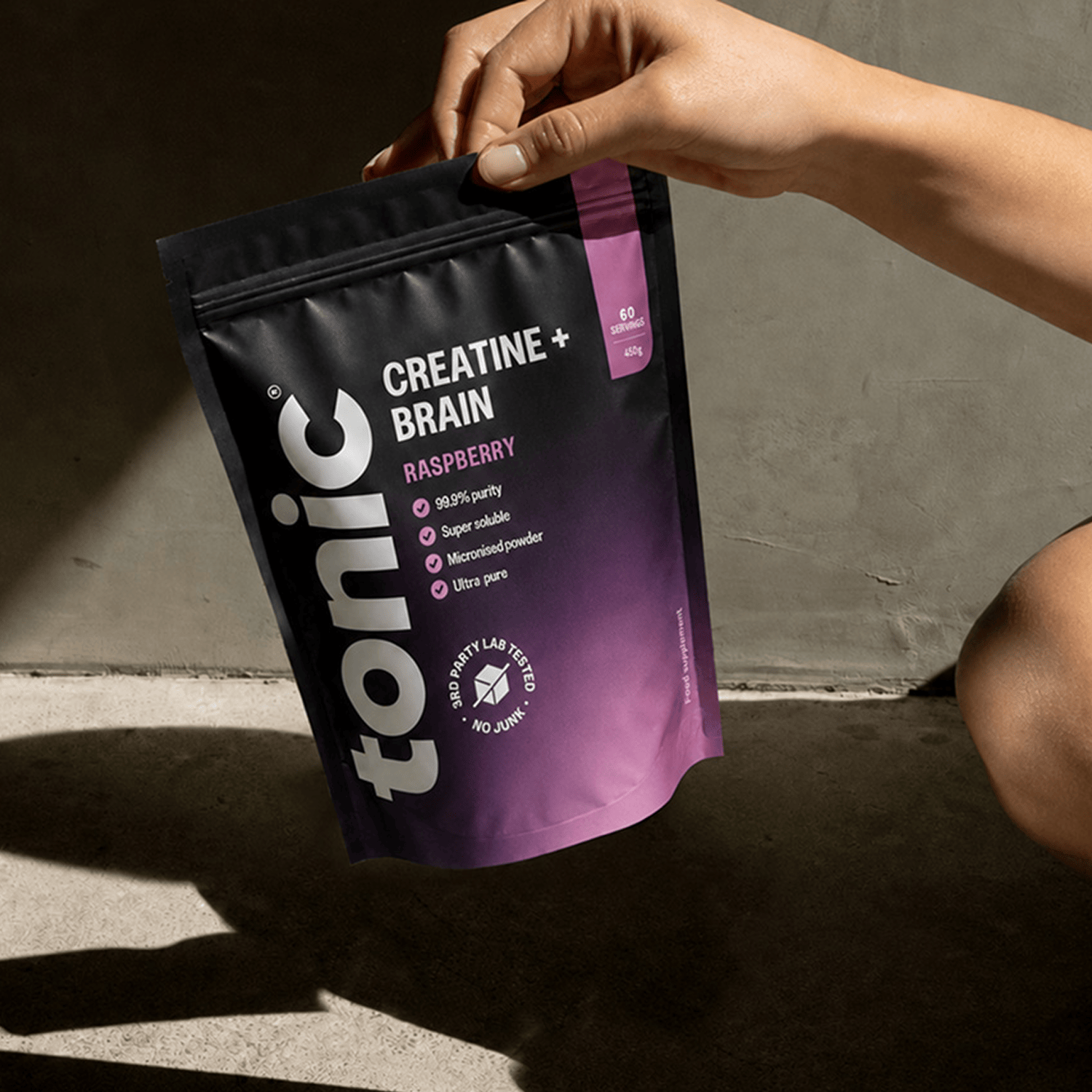
Stable blood sugar matters as much as any single food. Pair protein with fibre-rich carbohydrates, stay hydrated, and eat oily fish, leafy greens and berries regularly. You may also want to explore Tonic Creatine + Brain – learn more about the research on creatine and cognitive function in our dedicated article.
How quickly can diet affect brain function?
Alertness from caffeine or hydration is almost immediate. Blood sugar balance can make a difference within days. Memory benefits linked to berries or curcumin were measured over months or years of consistent intake – which is how we expect nutrition to work. The consistency of daily meals across a lifetime really is where the benefits accumulate.
Is it too late to start eating for brain health?
No. Much of the research above was carried out in older adults, and neuroplasticity continues throughout life.
About the Author
Natalie Louise Burrows is a registered nutritional therapist (BANT, CNHC) and clinic director at Integral Wellness – a nutrition and health clinic specialising in cardio-metabolic health. Along with her clinic team of nutritionists, they help men and women regain their energy, control their cravings and avoid and reverse type 2 diabetes. They also address health conditions such as high blood pressure, high cholesterol, insulin resistance, fatty liver and heart disease, and weight challenges.
This article is for informational purposes only and does not constitute medical advice. If you are taking medication, managing a health condition, or are pregnant or breastfeeding, please consult a qualified healthcare professional before changing your diet or supplement routine.



Leave a comment
All comments are moderated before being published.
This site is protected by hCaptcha and the hCaptcha Privacy Policy and Terms of Service apply.