



A Parent's Guide to Childhood Immunity
Why Does It Feel Like Your Child Is Always Poorly?
You've barely washed one set of school jumpers before another cough starts. The tissues are back out, the nursery WhatsApp group is pinging with "does anyone else's little one have this?", and you're wondering whether your child's immune system is weaker than everyone else's.
It isn't. If your toddler seems to catch every bug going, especially since starting nursery or school, you're not imagining it – and most importantly, you're not doing anything wrong. This is one of the most consistent patterns in paediatric health, with a straightforward biological explanation, and one that can take much of the anxiety out of what is, for most families, simply a season of life.
The Real Reason Young Children Catch So Many Bugs
Their Immune System Is Still Learning
Babies are born with some inherited immunity from their mother, but the adaptive immune system – the part that recognises specific viruses and remembers how to fight them – has to be built from scratch through actual exposure.
You know the stage of the constant snotty nose? It can actually be a good thing.
Every cold, tummy bug or nursery illness your child picks up teaches their immune system something new. Specialised white blood cells learn to recognise that virus, so the body responds faster next time. This is called immune memory – the same principle behind vaccination, just happening constantly and informally through everyday life.
The catch, from a parent's point of view, is that there are hundreds of different cold viruses, and children have no prior immunity to any of them. That's a lot of first encounters to get through.
Nursery and School Are Full of New Germs
Group settings speed this process up considerably. Young children are in close contact for hours at a time, share toys and surfaces, and haven't quite mastered the art of handwashing, covering coughs, or keeping things out of their mouths.
Research tracking under-fives for respiratory viruses over a full year found they carried one or more viruses roughly half the time – a good indicator of how constant the exposure is once children start mixing in group care.

How Many Colds Is Normal for a Toddler or Young Child?
NHS guidance puts the average at 5 to 8 colds a year for young children, gradually reducing as immunity builds. Toddlers can have 12 to 15 colds a year, with 8 or 9 causing noticeable symptoms such as a runny nose. Between 12 and 24 months, this could look like 12 colds, a couple of bouts of diarrhoea and vomiting, and one or two rash illnesses – with or without nursery attendance – and all of that is considered very typical. Most colds clear up within about two weeks; anything longer is worth seeking advice from a healthcare professional.
The Silver Lining: Every Bug Builds Long-Term Resilience
Here's the part that often gets missed in the exhausted scramble of a bug-ridden term at nursery – the frequent illnesses are doing something useful.
Children who attend nursery tend to have fewer infections once they start primary school than those who didn't, and the idea that nursery "gets bugs out of the way early" genuinely has evidence to back it up. Illness rates in nursery-aged children also tend to fall by around half with each year of attendance, as growing immune experience, better hand hygiene and simple maturity all play their part.
The tough first term isn't a sign something's wrong; it's the immune system doing exactly what it's supposed to, compressed into a shorter, more visible window than most parents expect.

Everyday Ways to Support Your Child's Immune Resilience
None of this means you're powerless while your child's immune system learns. The habits that support resilience are refreshingly ordinary, and consistency matters more than anything dramatic.
Nutrition and a Varied Diet
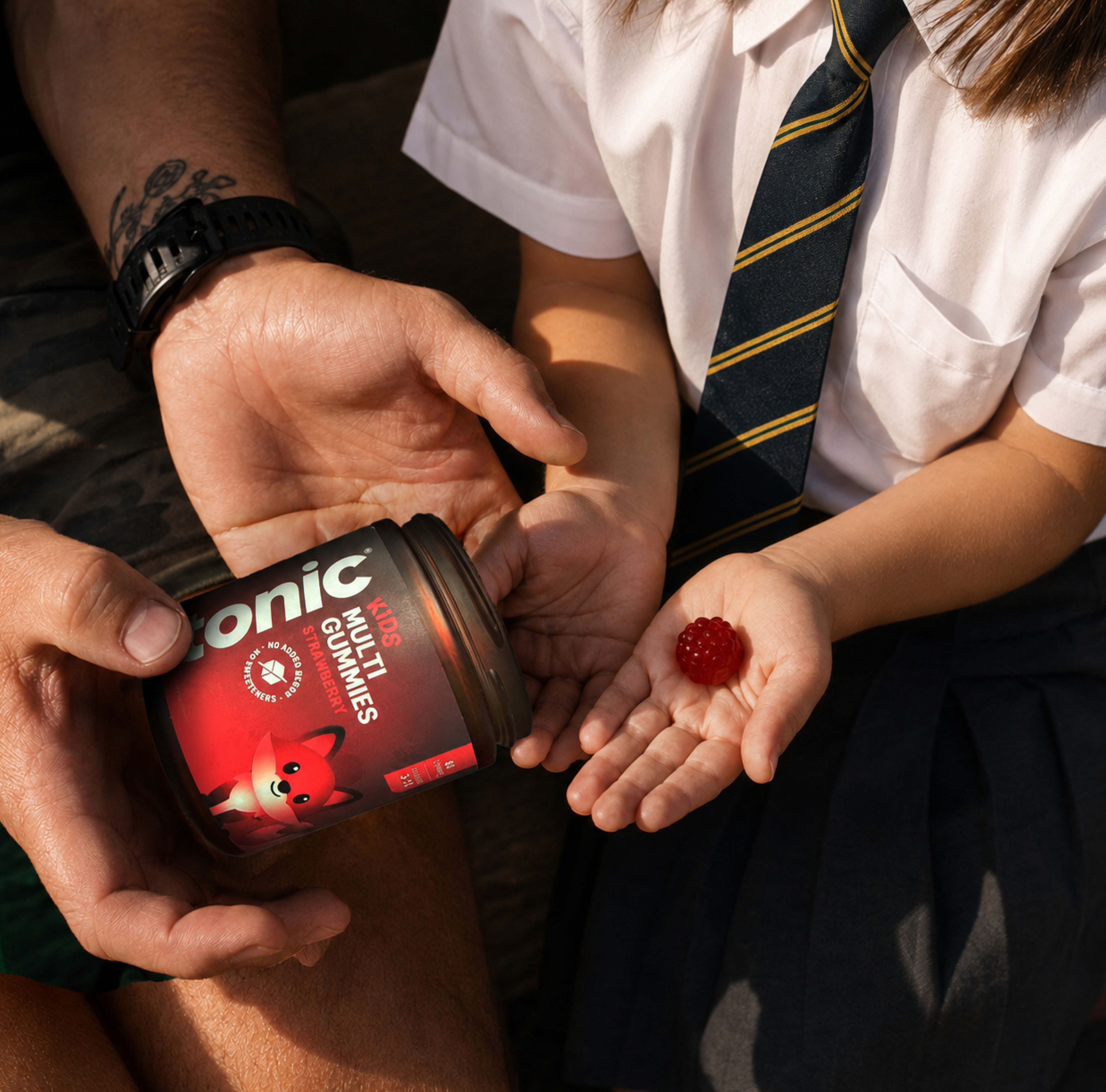
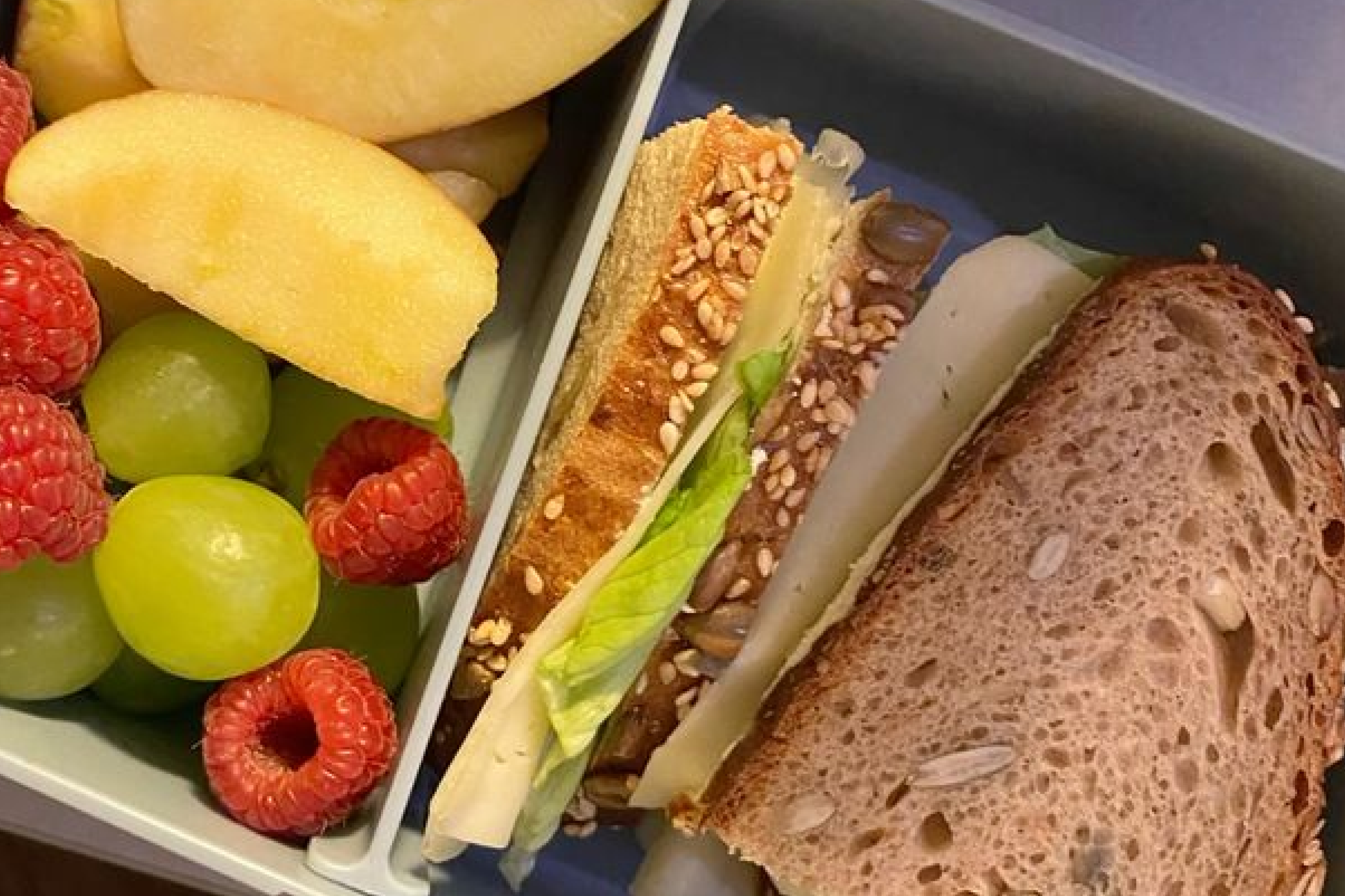
A varied diet gives developing immune cells the raw materials they need to function. Think plenty of fruit and vegetables, whole grains, and protein sources like eggs, fish, beans and lean meat, alongside healthy fats. Oily fish is worth including where you can, as omega-3 fatty acids support cell communication and help regulate the inflammatory response that underpins a well-adapted immune system. And don't forget fibre – around 70% of immune tissue is associated with the gut, so vegetables, wholegrains and pulses are quietly doing immune work as well as digestive work. Tonic's Kids Omega-3 Gummies are a practical daily option where oily fish isn't a regular fixture.
Sleep and Routine
Sleep is when much of the immune system's background work occurs, including the production of proteins that fight infection. A consistent bedtime and wind-down routine matter more here than chasing a precise number of hours, particularly for children who resist naps or push back at bedtime. Tonic's Kids Calm Gummies, with magnesium, chamomile and lemon balm, can support a calmer wind-down for children who find it hard to switch off.
Hydration
Children dehydrate more quickly than adults, and staying well hydrated supports temperature regulation and the mucous membranes that trap germs. This matters most during illness – the NHS advises offering fluids regularly when your child has a cold or fever.

Fresh Air and Movement
Regular time outdoors supports blood circulation and helps immune cells move more effectively throughout the body. Running around a park, cycling, or simply playing outside all count. Fresh air is preferable to time in close, indoor spaces where viruses circulate more easily – which is part of why illness tends to ramp up in winter.
Where Supplements Can Fit In
Food should always be the foundation, but for cautious eaters, supplementation can help close the gap – especially vitamin D. NHS guidance recommends a daily supplement for all children aged 0 to 4, since sunlight and diet alone often aren't enough, especially outside summer. Vitamin C, zinc and B vitamins also play established roles in supporting normal immune function, which is where Tonic Kids Immunity Gummies and Tonic Baby Multi Drops can support a daily routine alongside a varied diet.

When to Worry: Signs Your Child Needs to See a GP
Most childhood coughs, colds and low-grade fevers can be safely managed at home with rest, fluids and, where needed, children's paracetamol or ibuprofen. Here's what falls outside "normal":
Red Flag Symptoms Parents Shouldn't Ignore
Contact a GP or call 111 if your child:
- Is under 3 months old with a temperature of 38°C or higher, or 3 to 6 months old with 39°C or higher
- Has a high temperature lasting 5 days or more, or a rash alongside a fever
- Isn't eating or drinking, or seems generally "not themselves"
- Shows signs of dehydration – fewer wet nappies, sunken eyes or no tears when crying
- Has a sore throat lasting more than 3 days with fever, a cough lasting over 3 weeks, or an earache that hasn't improved after 3 days
Check NHS advice on when to call 999 or go straight to A&E. Some signs mean urgent medical assessment, not home care, is the right call.
A Practical Checklist for Back-to-School Season
As September approaches, a few small steps now can make the return to nursery or school a little smoother:
- Book in any overdue health visitor checks
- Establish a consistent bedtime routine a week or two before term starts
- Stock up on the essentials: a first-aid kit and a reliable thermometer
- Talk through handwashing – ideally making it a game rather than a chore
- Get a fun drinks bottle to make drinking water regularly more achievable
- Keep meals varied and colourful, and don't stress about the days that don't go to plan
- Consider a daily vitamin D supplement, especially as we head into autumn and winter
- Accept that some illness in the first term is normal, and plan for it where you can
Final Thoughts for Parents
A child who seems constantly under the weather in their first year or two of nursery or school isn't unlucky. They're doing exactly what young immune systems are designed to do – meeting germs, learning from them, and building a resilience that will serve them for years to come.
Support that process with good nutrition from food, enough sleep, fresh air and, where needed, some considered supplementation. And as a parent, trust that this phase – however relentless it feels – genuinely does pass.
About the Author
Natalie Louise Burrows is a registered nutritional therapist (BANT, CNHC) and clinic director at Integral Wellness – a nutrition and health clinic specialising in cardio-metabolic health. Along with her clinic team of nutritionists, they help men and women regain their energy, control their cravings and avoid and reverse type 2 diabetes. They also address health conditions such as high blood pressure, high cholesterol, insulin resistance, fatty liver and heart disease, and weight challenges.
This article is for informational purposes only and does not constitute medical advice. If you have concerns about your child's health, please consult a qualified healthcare professional or contact your GP.


Leave a comment
All comments are moderated before being published.
This site is protected by hCaptcha and the hCaptcha Privacy Policy and Terms of Service apply.